


Revivalist is a reader-supported endeavor and our posts may contain affiliate links. When you buy through links on our site, we may earn an affiliate commission.
Growing your own food on a small plot of land can be rewarding. As more people dive into efficient homesteading, backyard growers are ditching traditional vegetable garden layouts in favor of other setups. With the right design, you can squeeze fresh vegetables and vibrant flowers into even the tightest spaces. These seven layouts can help you maximize your space.
1. Vertical Gardens
Instead of outward, vertical gardens grow upward, utilizing walls, fences and trellises to create living sheets of greenery. This method optimizes tight spaces, allowing you to establish a thriving garden on a tiny balcony or concrete patio.
Compact herbs like basil, strawberries and small flowers grow exceptionally well in vertical setups. If you’re new to gardening, pocket wall planters or sturdy wooden trellises are a great DIY starting point, while repurposed plastic bottles provide a budget-friendly layout option.
To maintain these setups, daily drip watering is important. It penetrates the shallow soil layers, preventing them from drying out quickly. You can find many contemporary urban designs to see how these green walls transform dull concrete, but you should always sketch your space first to organize sunlight exposure and safely manage water access.
Beyond aesthetics, vertical greenery offers climate relief. Adding vertical vegetation to buildings creates a natural insulation layer that lowers indoor temperatures by up to 1.7° Celsius or 35° Fahrenheit during extreme summer heat waves.
2. Meditation Gardens
Meditation gardens are dedicated, quiet outdoor sanctuaries that reduce stress, lower anxiety and improve overall mental well-being. If you want a deeply traditional layout for focused contemplation, install a Japanese rock garden, also known as a Sekitei.
To construct a peaceful sanctuary, incorporate smooth walking paths, comfortable seating and clear boundaries that block out external noise. Calming plants with gentle scents or textures, such as lavender and bamboo, may lower stress levels. Research emphasizes that just 10 to 20 minutes spent in a natural setting significantly reduces mental health strain. A simple water feature or a stone sculpture establishes a clear visual focal point for breathing exercises.
When making your garden, ensure the area features wide, flat paths so visitors of all ages and physical abilities can walk through the space safely. For year-round visual appeal, mix evergreens alongside seasonal blooms to maintain a comforting view during winter months. Keep the garden tidy by regularly sweeping walkways and pruning overgrowth.
3. Permaculture Spiral Gardens

Permaculture spiral gardens pack multiple plants into a single small footprint by swirling upward in a three-dimensional cone. This ramping design creates diverse microclimates based on height and direction, giving you total control over sun exposure and drainage.
To build one, stack budget-friendly reclaimed bricks or local stones in a winding circle that rises roughly three feet high in the center. Fill the internal ramp with rich soil and compost. Position drought-hardy, sun-loving herbs like rosemary and oregano at the well-drained top peak. Place mid-level plants like parsley in the partial shade, and put moisture-loving mint at the base.
Gravity creates excellent water efficiency across these zones. Irrigation naturally filters downward, allowing thirsty bottom plants to absorb the runoff so you never waste water.
The unique spatial dynamics maximize your harvesting potential by accommodating continuous multi-crop cycles. These shapes add striking visual beauty to backyard landscapes and could even serve as educational hubs in community plots where neighbors gather to share crops.
4. Container Gardens
If you’re looking for flexibility, try a container garden, as it lets you grow food and flowers on porches, steps or paved driveways. Utilizing lightweight terracotta or repurposed storage bins keeps costs low. Mixing varied pot sizes and bright colors enhances visual appeal.
Leafy greens, cherry tomatoes and colorful marigolds thrive in these setups. Grouping pots creates a lush micro-environment while leaving room for walking paths. If your yard lacks full sun, container mobility saves the day, as you can shift pots to track the light. For example, succulents, some of which only need two or three hours of sun a day, also need ample shade.
This portability allows rapid seasonal crop rotation, swapping finished spring radishes for summer peppers in an instant. However, proper drainage remains vital. Choose pots with bottom holes to prevent waterlogged roots and soil rot. Selecting inexpensive, durable pots ensures a high-yielding, flexible garden footprint without a major financial investment.
5. Square Foot Gardening
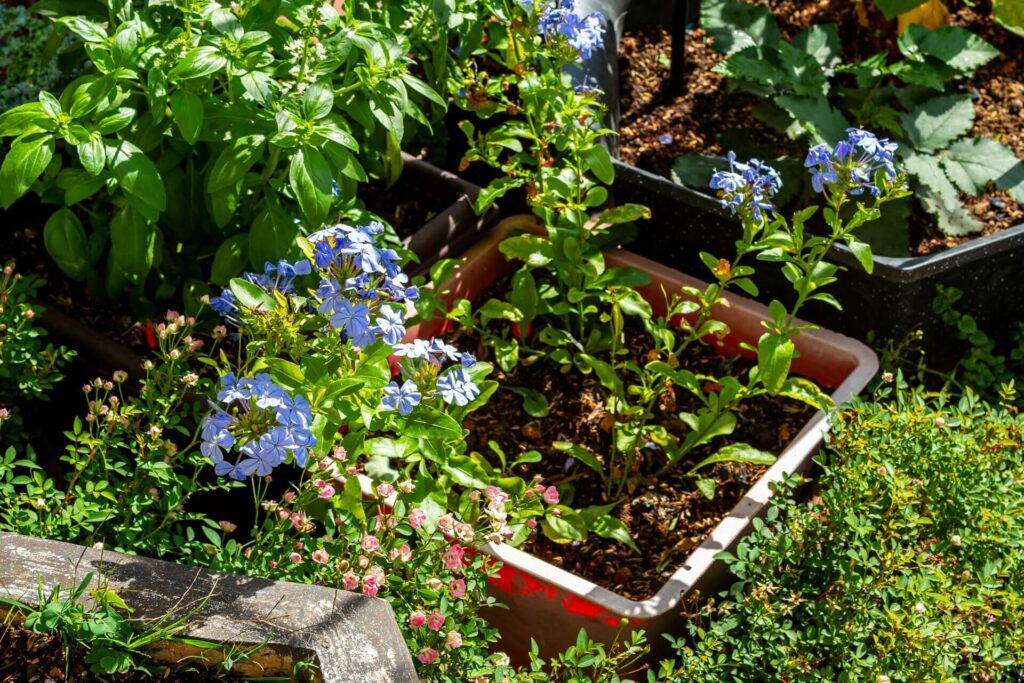
Square-foot gardening divides a raised box into a neat grid of one-foot squares, clustering crops to prevent wasted space. This organized layout eliminates traditional walking paths, reducing weed growth and maximizing harvest yields.
To begin, construct a four-by-four wooden frame and fill it with loose, nutrient-rich compost. If you want a head start before warm weather arrives, start your garden indoors by placing dry seeds on a damp paper towel to speed germination. Be sure to plant the specified number per square. For example, a single tomato vine fills one square, while sixteen small radishes crowd into another.
Targeted hand watering at the base of each square conserves moisture, keeping soil perfectly damp. Adding simple plastic row covers over the framework protects young sprouts from early frost, extending your harvest season. If you have children, this layout can be an educational tool for them if they love mapping out the boxes. Neighborhood groups also use these grids for collaborative community plots, so explore your town for a group project.
6. Herb Spiral Gardens
A love for cooking offers a great excuse to plant herbs. Fortunately, an herb spiral garden stacks culinary plants in a winding, multi-tiered mound mimicking organic patterns found in nature. This layout takes advantage of vertical and horizontal space to establish diverse growing zones within a single compact footprint near a kitchen door.
To make one, choose a sunny spot near your kitchen and shape the bed into a compact spiral with stones, bricks or another sturdy edging material. Fill the center with compost-rich soil, then arrange herbs by their preferred growing conditions. Plant heat-loving kitchen favorites like sage and winter savory at the sunny, quick-draining peak. Position partial-shade choices like tarragon along the slope, and put moisture-loving cilantro at the bottom rim.
Gravity pulls water downward through the coils, soaking the thirstier roots below without wasting any moisture. Grouping these varieties supports companion planting, where neighboring root systems shield each other from pests and boost growth. This swirling design transforms blank yards into engaging, sensory elements attracting vital pollinators. These straightforward steps provide a beautiful, high-yielding feature that saves outdoor space.
7. Tiered Gardens
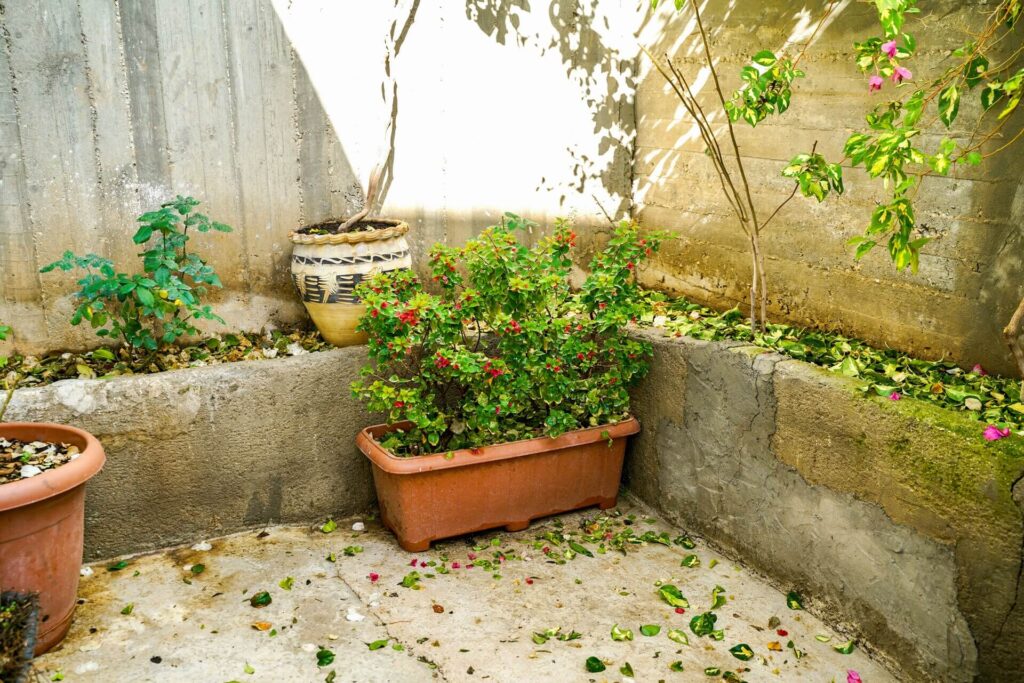
Tiered gardens turn awkward, sloped hillsides into productive step-like platforms. This staircase layout maximizes vertical space, turning an unusable incline into a series of flat, accessible planting shelves. Building these multilevel walls lets you control soil quality throughout a yard.
Each tier requires loose soil mixed with coarse sand to establish excellent drainage, stopping heavy rain from pooling at the lower base. Studies show that terracing slope surfaces successfully controls runoff and reduces water erosion by over 50%.
Make sure to strategically layer your crops. For example, set trailing strawberries along front edges, while placing taller pepper plants near back walls. This combination ensures every single leaf captures optimal morning sunlight. These rising green steps boost visual appeal, creating an eye-catching landscape feature that can increase seasonal food production.
To maintain multiple levels smoothly, inspect the retaining walls for shifting after winter thaws and clear out drainage channels regularly. Neighborhood groups often choose this terraced layout for shared community plots in areas with sloping soil. They work together to tame steep public hillsides, protect shared ecosystems and safely harvest heavy crop yields.
Use These Garden Setups for Your Home
Swapping traditional cottage garden layouts can turn a small yard into something grand. Finding a setup that fits your space and lifestyle makes your garden useful and beautiful to look at. You can have a striking home landscape with the right time and patience. Explore these unique methods today to enjoy a deeply satisfying, abundant and joyful growing experience.


Share this article