


Revivalist is a reader-supported endeavor and our posts may contain affiliate links. When you buy through links on our site, we may earn an affiliate commission.
Sustainable interior design has a reputation for being beige and boring. People conjure up images of scratchy fabric and an unending palette of neutrals. However, it doesn’t have to be that way. Sustainable interior design can be more than just a restriction on wasteful items. Instead, it can be about self-expression.
Today’s furniture market churns out pieces at high speed. Companies focusing on trends and mass production result in disposable furniture piling up in landfills. What’s more is that the home becomes just another catalog, a place filled with soulless furniture. Break free from this and curate your home with a sense of story and personality. Each piece you bring should reflect your values, travels and unique identity.
The Fast Furniture Trap and Why Your Home Deserves Better
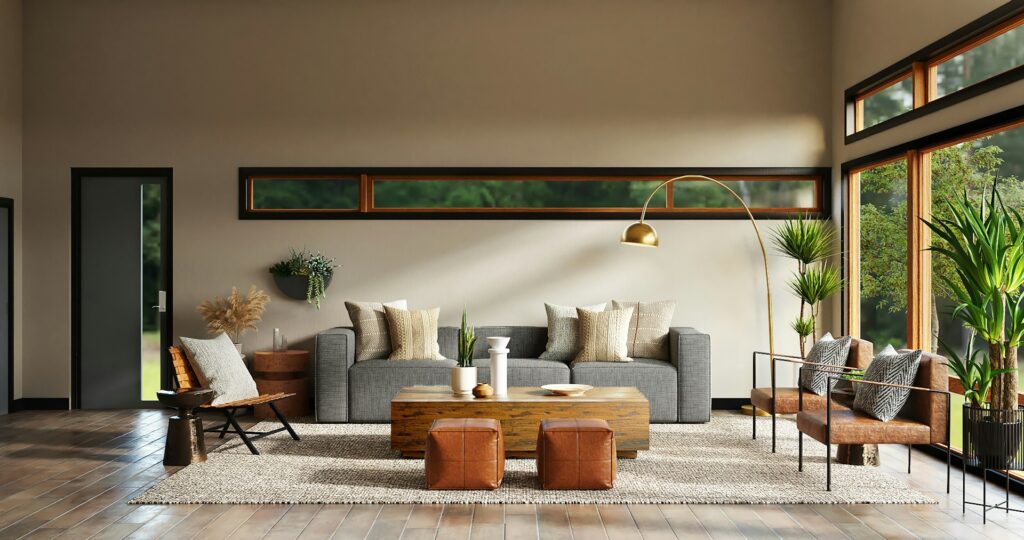
Fast furniture is all about buying inexpensive and trending furniture items. They are not built to last. Due to the rapid trend and sales cycles, consumers are encouraged to buy items, discard them, and then buy again. However, the environmental cost is incredibly detrimental. The bulky nature of furniture makes it difficult and expensive to recycle, so they all just end up in landfills. Additionally, mass-market furniture doesn’t provide depth, character and story to your home.
Biodegradable home decor isn’t limited in aesthetics. True sustainability is all about creating a home with layers, history and character. It’s a far cry from mass-produced showrooms. Refrain from immediately scrambling to redecorate the entire space.
The key is giving it time. You can’t collect pieces you will love for a longtime in a short amount of time. Whenever you see an item you like, instead of ordering it right away, make sure to sit on it for a couple of days and weeks. When you’re confident you’ll love it for a long time, that is when your purchase becomes truly sustainable. Embrace this journey of style and substance.
The Three Pillars of Sustainable Style
Here are the main pillars of sustainable interior design and how to incorporate them into your home.
1. Hunt for History, Not Trends
The most sustainable interior design strategy is to embrace the items you already have or ones that already exist. Choose vintage or secondhand pieces. They have a near-zero manufacturing carbon footprint and give a second life to perfectly usable items, preventing them from ending up in a landfill. Consider shopping for these pieces as a treasure hunt. Visit flea markets, antique shops and online marketplaces. You get a one-of-a-kind item that no one else will have.
When buying, make sure to consider the quality of craftsmanship of an item. You don’t want to buy a secondhand piece only to realize it is unstable, fast furniture sold at a markup. For wooden furniture, examine its construction. It should feel heavy and substantial. Check the dovetail and mortise-and-tenon joints in drawers. Surface scratches and worn fabric are okay. These can easily be refinished or reupholstered.
2. Invest in People and Craftsmanship
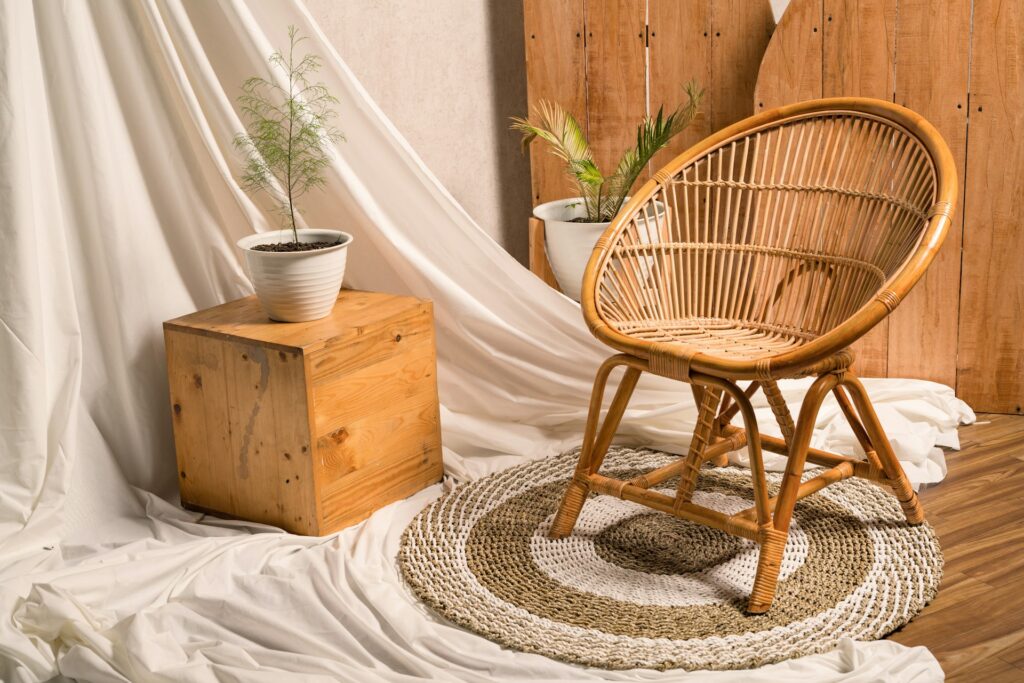
Biodegradable home decor is about intentionality. Artisan-made decor is an investment toward people and the longevity of the item. You are supporting small businesses, traditional craftsmanship skills and ethical labor practices when buying these items. A few examples of decorative items are hand-knotted rugs, hand-thrown ceramic lamp and block-printed pillow. These are all made with time, skill and love instead of pieces from a factory. Imperfections are a mark of authenticity. It’s a reminder that a real person made them.
By choosing these items, you are not simply incorporating a functional item into your home. You are acquiring a piece of art with a rich history of craftsmanship. Carefully choosing items can reflect your personality much more than picking them out on an app.
3. Let Nature Be Your Architect
There are plenty of sustainable materials available beyond the usual bamboo and rattan. For example, cork is harvested from the cork oak tree without harming it. Cork also regenerates after a few years, making it a sustainable choice for flooring and walls. In fact, cork has superior insulating and sound-dampening properties. Another option is reclaimed wood. It instantly brings warmth and a sense of history to a place. Terrazzo tiles are also a great option. They are made from recycled chips of marble, quartz ang glass set in concrete.
You can also embrace biophilic design. Connect your indoor spaces with nature or the outdoor world. Let natural light in and bring in plants that improve indoor air quality, such as snake plants and peace lilies. Use materials such as wood, stone and wool. The incorporation of natural elements can significantly reduce stress and boost creativity. Additionally, when painting your walls, make sure to choose paints with low or zero volatile organic compounds so they don’t emit harmful gas.
Your Home, Your Manifesto
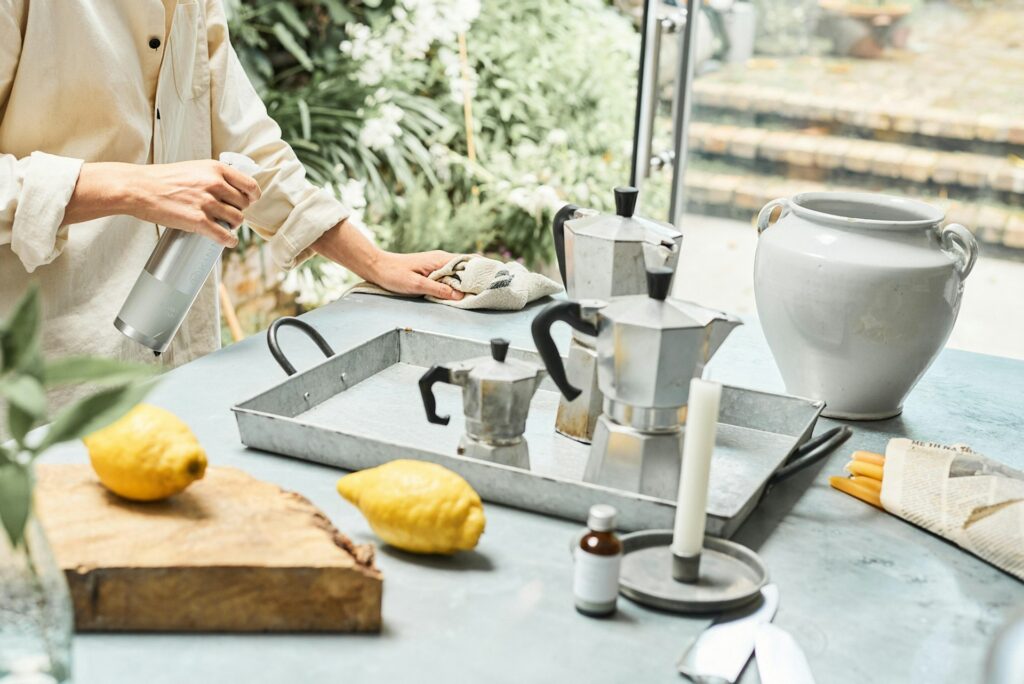
Biodegradable home decor is about thoughtfully designing your home. Don’t rush the process. Instead, carefully select items that imbue your personality. The design should accurately reflect your values and passions. Every object you choose is something you can pinpoint in your life journey, a part of a chapter in your story.
As such, a sustainable home is never static or finished. It is a living, breathing space that grows and evolves alongside you. Add pieces from your travels, hand-me-down items from family or an art piece from a local creator. Find a centerpiece sofa on Facebook Marketplace for a truly unique piece or hang a variety of items on your wall, from antique mirrors and prints from artists to photos from your own life. These elements all come together to make the space truly alive.


Share this article