


Revivalist is a reader-supported endeavor and our posts may contain affiliate links. When you buy through links on our site, we may earn an affiliate commission.
Healthy drinks used to mean bland, sugar-free options on the market. Today, a new kind of soda has emerged in supermarket aisles. These drink options are both tasty and nutritious. They hydrate and offer targeted health benefits. If you are an adventurous woman who wants to try new, healthier drinks and food options, prebiotic soda might just be for you.
Discover the science-backed truth about what prebiotics are and what prebiotic soda is, without all the marketing gibberish.
What Does Prebiotic Mean
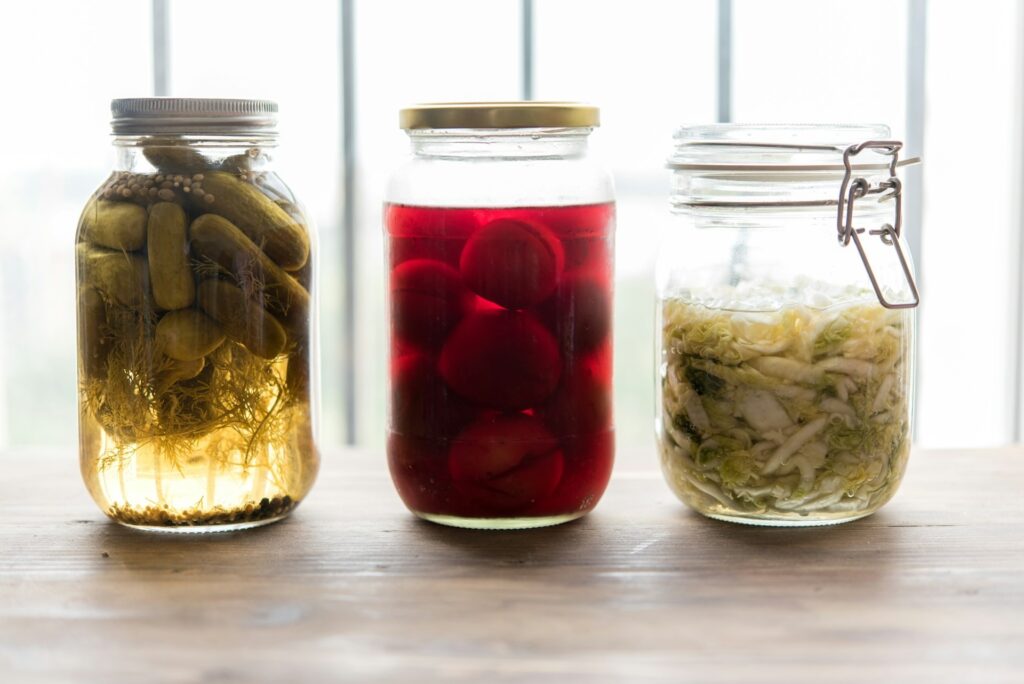
In order to truly understand what a prebiotic soda is, you should know what prebiotics are first. Prebiotics are a kind of indigestible dietary fiber. Instead of being broken down into glucose, prebiotics travel to the lower digestive tract and serve as food for trillions of beneficial bacteria in the microbiome. On the other hand, probiotics are the beneficial bacteria themselves. Examples of probiotic foods include yogurt, kefir, kimchi, miso, sauerkraut and some aged cheeses.
Prebiotics act as the fuel to help your gut’s beneficial bacteria get stronger and multiply. Think of it like fertilizer for a garden. You are giving your digestive system the essential nutrients it needs. Prebiotics are commonly found in whole foods and functional beverages. Examples of these prebiotic fibers include inulin, fructo-oligosaccharides and galacto-oligosaccharides. You can find them naturally in foods like chicory root, Jerusalem artichoke, garlic, onions, bananas, asparagus and dandelion greens.
What Is Prebiotic Soda and Why Does It Matter for Women?
Prebiotic soda is leading the charge to tastier and more fun drinks. It is more than just your average beverage trend. It’s a cultural shift toward taking better care of one’s body. Prebiotic soda is a sparkling alternative that is touted to support the most critical system of the human body — the gut microbiome. Prebiotic soda may be beneficial to improving a woman’s overall health, as the gut microbiome affects mood, immunity, hormone balance and other factors.
Aside from drinking prebiotic soda, make sure you are consuming plenty of fluids, especially crucial for those with high-sodium diets, to prevent dehydration.
How to Read the Label Like an Expert
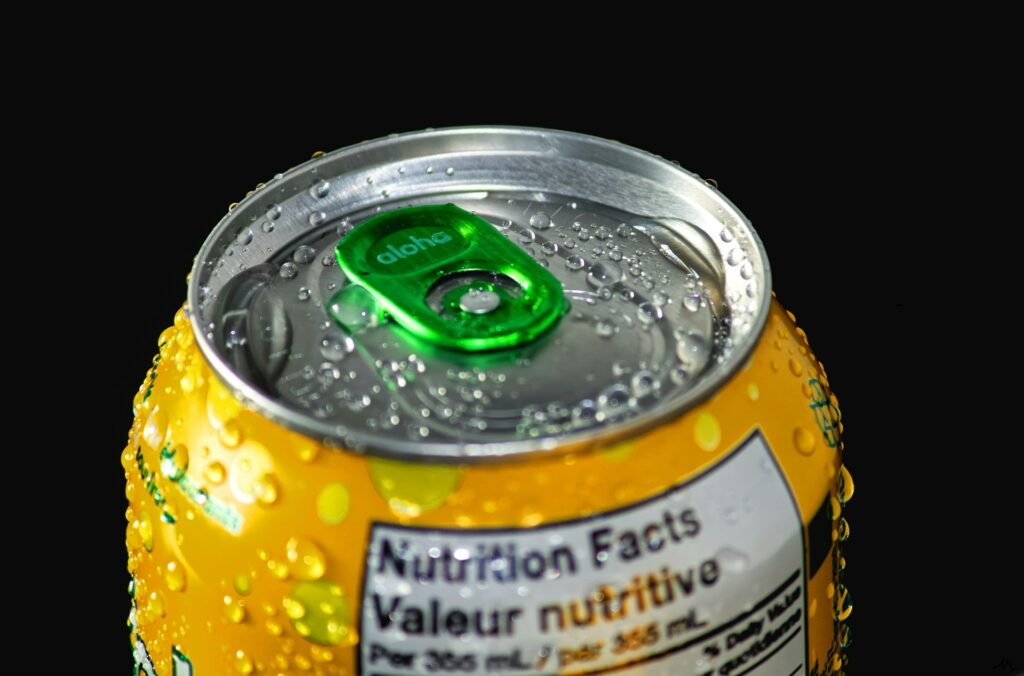
With so many brands of prebiotic soda popping up in supermarket aisles, it’s important that you become more aware on how to spot high-quality ones from low-quality ones. A discerning eye can help you receive the benefits of prebiotic sodas rather than just consuming disguised sugary drinks. Here are the factors you need to consider.
1. Check the Fiber Content
An authentic prebiotic soda should have a significant amount of fiber. Check the nutrition label to see if it has 5 grams of fiber or more per serving. For maximum benefit, the soda will have 9 grams of fiber.
2. Identify the Prebiotic Source
The ingredients should point to a prebiotic source. Common high-quality ingredients include Chicory root fiber, Jerusalem artichoke inulin and Cassava root.
3. Scrutinize the Sugar Content
Be rigorous when checking for a drink’s sugar content. Make sure the soda contains less than 5 grams of sugar. You can check the ingredient list as well. Avoid drinks that have cane sugar or agave at the top of their list.
4. Analyze the Sweeteners
Most zero-calorie drinks use artificial sweeteners. Monk fruit and stevia are good options for this purpose. However, sugar alcohols like erythritol can cause bloating and upset stomach.
5. Keep the Ingredient List Clean
The prebiotic soda should have a short and recognizable ingredient list. Avoid ones with artificial flavors, preservatives and colorings.
Integrating Prebiotic Sodas Into a Bold, Vibrant Lifestyle
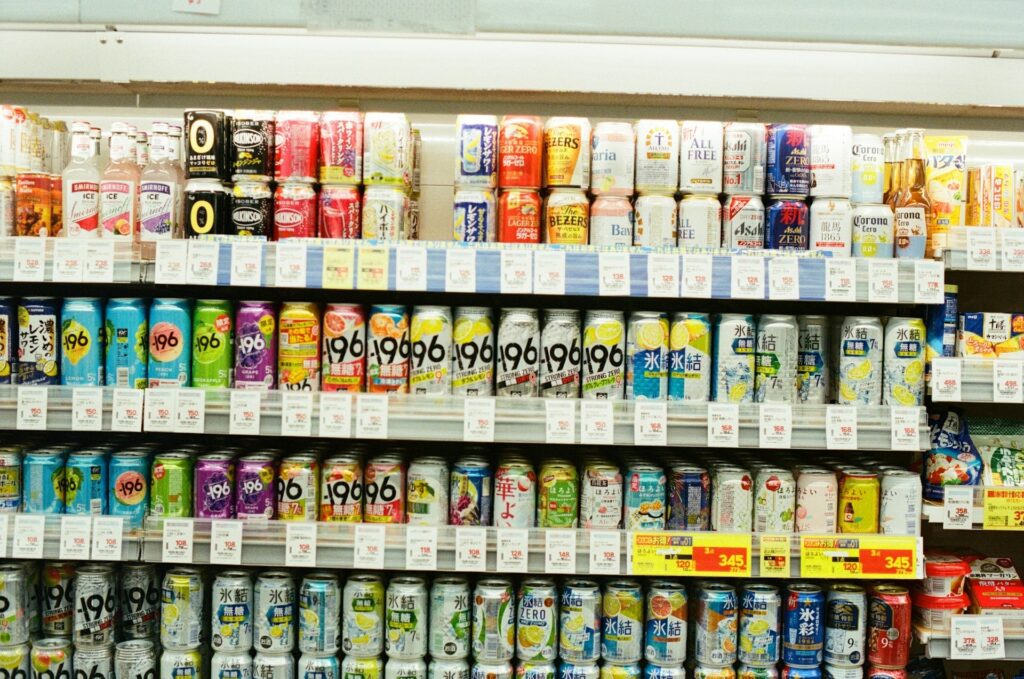
Prebiotic sodas are more than a drink. They are a great addition to your arsenal of healthy ingredients. It’s a great way to satisfy cravings for carbonated sweet drinks in the middle of a hot afternoon. Since they are mostly zero-sugar, you don’t experience a dreaded sugar crash. Additionally, the gut-friendly fiber is gentle on the stomach.
Aside from drinking the soda on its own, you can use it as a base for creating fun drinks for your next social gathering. Elevate cocktail and mocktail recipes using prebiotic sodas. For example, a ginger- or orange-flavored prebiotic soda can serve as a complex base for classic drinks, such as a Moscow Mule. The result is a refreshing, delicious and gut-friendly drink. Get creative with the sodas and other ingredients.
Building a Prebiotic-Rich Diet Beyond the Can
Although prebiotic sodas are a great addition to boost your prebiotics, you shouldn’t rely on them entirely. Make sure your diet is nutrient-rich by incorporating prebiotic-rich food regularly into your meals. That is the best way you can ensure a healthy and thriving digestive microbiome. Here are some of the ingredients to add to your shopping list:
- Vegetables: Onions, garlic, leeks, asparagus, Jerusalem artichokes, dandelion greens
- Fruits: Under-ripe bananas, apples
- Legumes and grains: Chickpeas, lentils, beans, whole oats, barley, rye
To support a healthy diet, try rotating among different types of plant-based foods. Besides prebiotics, they provide various vitamins, minerals and phytonutrients that are essential in supporting human health.
Just be cautious when first transitioning into this diet. A sudden increase in fiber intake can result in temporary gas, bloating and digestive problems. The best method is to start low and progress slowly. Gradually increase intake over a week or two, so your gut can adjust. Make sure to also drink plenty of water as fiber needs water in order to effectively work. Avoid highly processed food as well.
Your Gut, Your Adventure
Choose your prebiotic soda with care so you can get the full benefits of prebiotics. They are delicious and functional drinks that support gut health, hormone production and mind-body connection. Read the nutrition label and check for factors such as fiber content, prebiotic source, sugar content and artificial sweeteners.
After choosing your prebiotic sodas, you can get creative by using them as bases for cocktail and mocktail recipes. You can create many fun, tasty and healthy party drinks with these sparkling liquids.


Share this article