


Revivalist is a reader-supported endeavor and our posts may contain affiliate links. When you buy through links on our site, we may earn an affiliate commission.
If you’re always looking for new ways to challenge your body, sharpen your mind and make movement feel exciting again, sword yoga may offer exactly that. This unique practice blends yoga, tai chi and martial arts into graceful, flowing sequences that build strength, balance and focus.
With every movement, the sword becomes an extension of your breath and intention, transforming your practice into a moving meditation. Whether you’re drawn to fitness, mindfulness or a fresh adventure, sword yoga near you invites you to tap in to your confidence and discover a powerful new way to move.
What Is Sword Yoga and Is It for You?
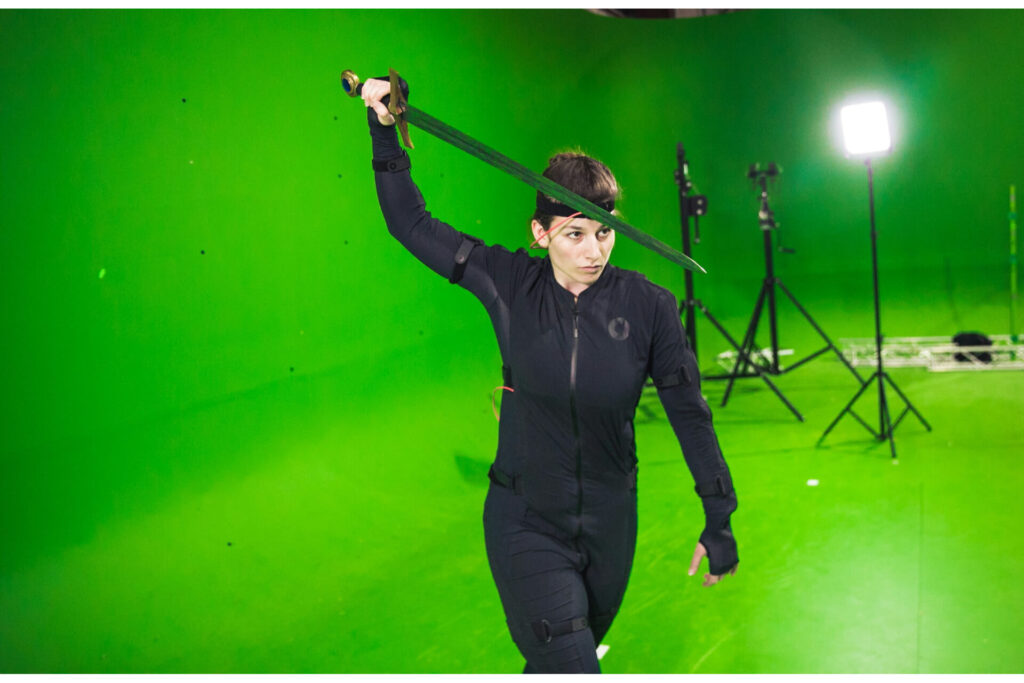
Sword yoga blends mindful postures with the graceful techniques of tai chi and kung fu, and the flowing movements of vinyasa yoga, to build neuroplasticity. Rather than focusing on speed or power, you move intentionally, matching each breath to controlled, flowing sequences. The sword becomes an extension of your body, encouraging precision, balance and presence.
Most classes use a lightweight Chinese straight sword, known as a “jian.” Its elegant design allows for smooth, sweeping movements that feel almost like a dance. Even if you’ve never held a sword before, beginner sword yoga classes near you introduce each movement gradually, making the practice approachable for every fitness level.
The practice has gained momentum on social media thanks to communities like WeaponUp, whose videos have inspired thousands of women to swap traditional workouts for something that feels adventurous, empowering and deeply mindful. While the viral videos may catch your attention, many women stay for the confidence and calm they discover along the way.
Unlike many fitness trends that emphasize burning calories or pushing your limits, sword yoga encourages you to connect with your body, move with purpose and celebrate what you can do. Each session becomes a moving meditation that strengthens both your muscles and mindset.
Why More Women Are Embracing Sword Yoga
If your workouts have become repetitive, sword yoga offers a refreshing change of pace. It combines fitness, mindfulness and creativity into one practice, making every session feel like an opportunity to learn something new.
Many women also love the symbolism behind the sword. Throughout history, swords have represented courage, wisdom and resilience. In sword yoga, those qualities take on a fresh meaning. Instead of preparing for battle, you’re cultivating confidence, focus and self-belief.
The flowing movements naturally encourage you to stand taller, open your posture and move with pride. Over time, that physical confidence often carries into everyday life, whether you’re speaking up in a meeting, trying something outside your comfort zone or simply feeling more at home in your body.
There’s also something undeniably fun about it. Holding a sword transforms familiar yoga-inspired movements into an experience that feels playful, adventurous and a little cinematic. It’s easy to understand why so many women describe feeling like a heroine of their own story during practice. Aside from individual benefits, the practice fosters a welcoming community, and many online groups celebrate progress over perfection. It’s about women cheering on each other while embracing grace, strength and authenticity.
The viral exercise has definitely developed a following.
The Physical and Mental Benefits of Sword Yoga
When you start dancing with the sword, you will notice many gains that you can make.
Build Strength, Balance and Coordination
Sword yoga engages your shoulders, core and forearms throughout each flow while improving your balance, coordination and body awareness. The sweeping movements also increase mobility through the shoulders, hips, upper back and wrists. Depending on the pace of the class, a 45-minute session can even elevate your heart rate enough to provide a moderate cardiovascular workout.
Sharpen Your Focus
Coordinating your breathing, posture and sword movements demands your full attention, making it easier to tune out distractions and stay present. Mindfulness practices and tai chi may reduce anxiety, improve vitality and manage depressive symptoms. With better overall well-being, your focus and emotional state improve. Yoga movements are known to stimulate connections in the mind, improving clarity.
Cultivate Confidence
Many women discover that sword yoga builds more than physical strength. Learning a new skill, moving with purpose and embracing a powerful posture creates confidence that carries into everyday life. Whether you’re stepping into a leadership role or simply feeling more comfortable in your own skin, that quiet sense of empowerment often becomes one of the practice’s biggest rewards.
What You’ll Need Before You Begin
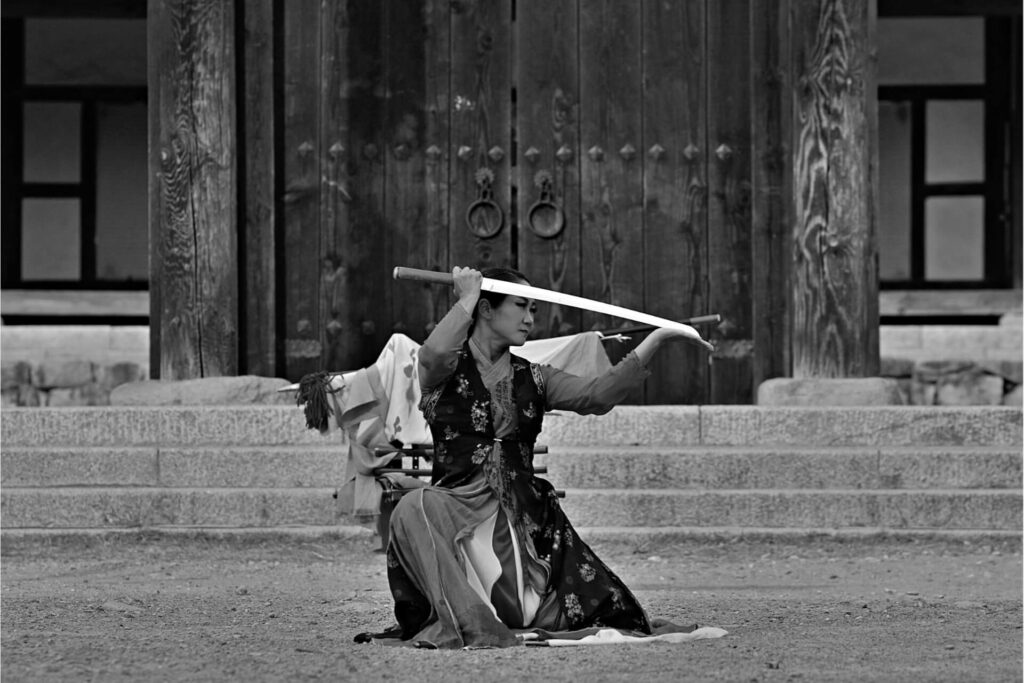
Getting started is refreshingly simple. Most beginners practice with a lightweight jian, which is designed for tai chi and kung fu. These training swords have flexible blades with blunt edges, making them suitable for movement practice.
Choosing the right sword feels like a natural extension of your body. Tai chi or wushu blades measure 25.6-29.5 inches, but the ideal fit for your needs depends on your arm length and height. When holding the sword correctly, the tip of the blade should not touch the ground.
Once you have a suitable practice blade, you’ll need comfortable workout clothes and enough room to extend your arms and the sword safely. Many beginners also appreciate learning from an experienced instructor who can help refine their technique and ensure safe movement.
What If You Don’t Want to Use a Weapon?
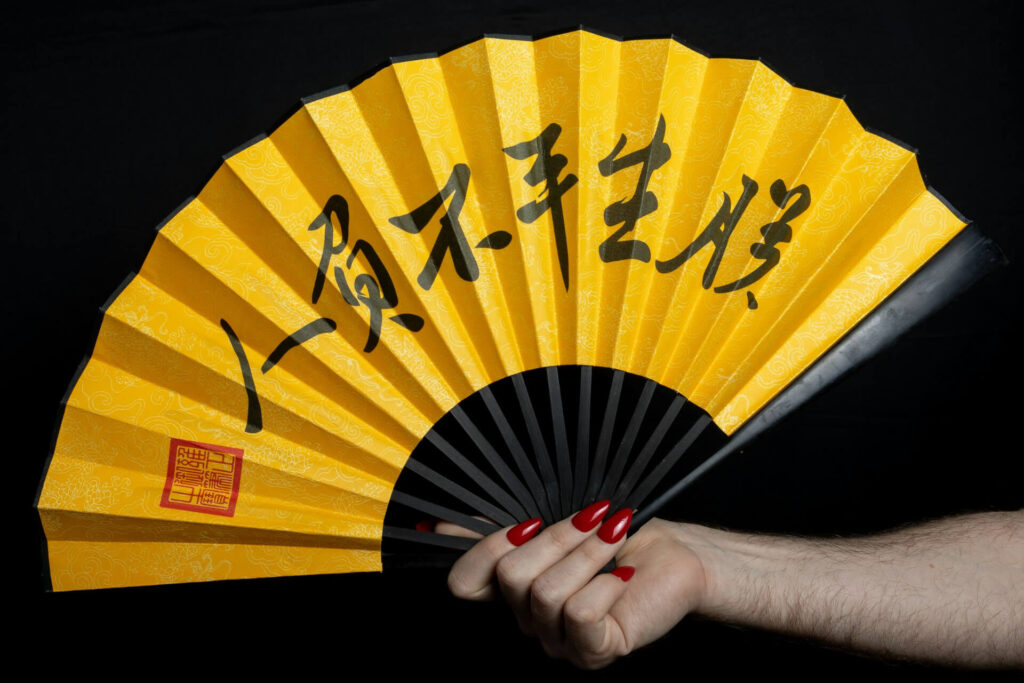
Sword yoga is about more than equipment. If you’re curious about the practice but aren’t ready to invest in a training sword, you have plenty of beginner-friendly options. The goal is to build coordination and confidence first. Once the movements feel natural, transitioning to a practice sword becomes much easier.
You could try any of these alternatives to a weapon:
- Wooden or foam stick: A traditional bokken or wooden jian offers a similar feel without the metal blade. A shaped pool noodle can also work well, which is why it’s a popular alternative for those who are into reenactments.
- Yardstick or dowel: An inexpensive dowel from the hardware store helps you practice grip, alignment and flowing transitions. Create more of a dance feel by attaching a length of ribbon to a shorter dowel to embrace tai chi’s round shapes.
- Soup ladle: It may sound unconventional, but a long-handled kitchen utensil works well for practicing hand positioning and movement patterns, and it’s a friendly alternative when you are working indoors.
- Electrical conduit tube: The PVC tubes your electrician uses are ideal for making a mock sword to practice with. Its slightly flexible nature will mimic the jian’s elastic blade.
How to Find Sword Yoga Near You
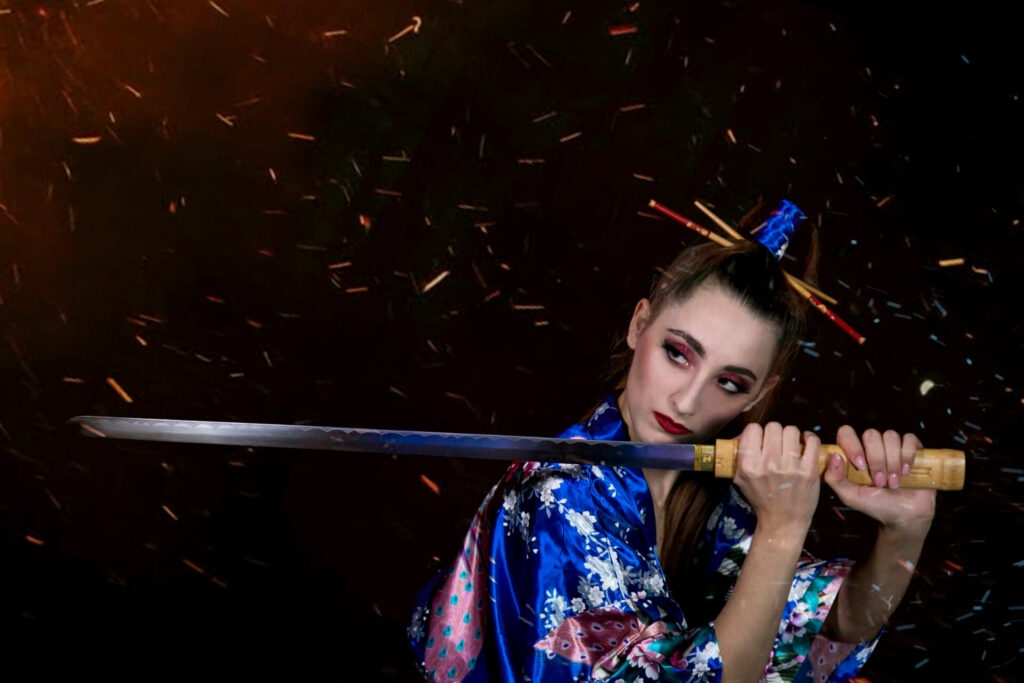
Searching for an instructor or group to join is the easiest place to start, but it’s worth broadening your approach if local results are limited. Many instructors may teach in related disciplines, rather than using the term “sword yoga.” Remember that many instructors offer classes online, allowing you to learn safely from home while receiving real-time guidance.
Try searching for:
- Sword yoga
- Tai chi sword classes
- Jian sword training
- Flow arts classes
- Movement meditation
- Mindful martial arts
Discover Your Inner Warrior
Sword yoga offers a fresh way to build strength, improve focus and move more confidently. Whether you begin with a practice stick, a soup ladle or empty hands, every session is a chance to embrace your inner warrior and make fitness feel adventurous again.


Share this article