


Revivalist is a reader-supported endeavor and our posts may contain affiliate links. When you buy through links on our site, we may earn an affiliate commission.
Have you ever tried snapping that perfect photo in front of a famous landmark, only to find yourself in a sea of selfie sticks? What about that feeling of paying additional dollars just to get into the priority pass lanes in theme parks? These are some of the struggles when traveling during peak season. Learn why shoulder season traveling may be the one for you and explore how to do it with confidence.
What Is Shoulder Season?
Shoulder season is the time between a destination’s peak season and its off-season. It’s the “Goldilocks zone” of travel — not too busy and crowded, but most popular attractions are still operating. This period varies by location but usually occurs during the change of seasons. For example, it occurs during the autumn and spring months. The Caribbean’s shoulder season is late spring and fall, while a ski resort’s is early winter and late spring.
Why You Should Travel During Shoulder Season
Planning your next trip this year? Here are reasons why traveling during the shoulder season is the best option for you.
Fewer Crowds
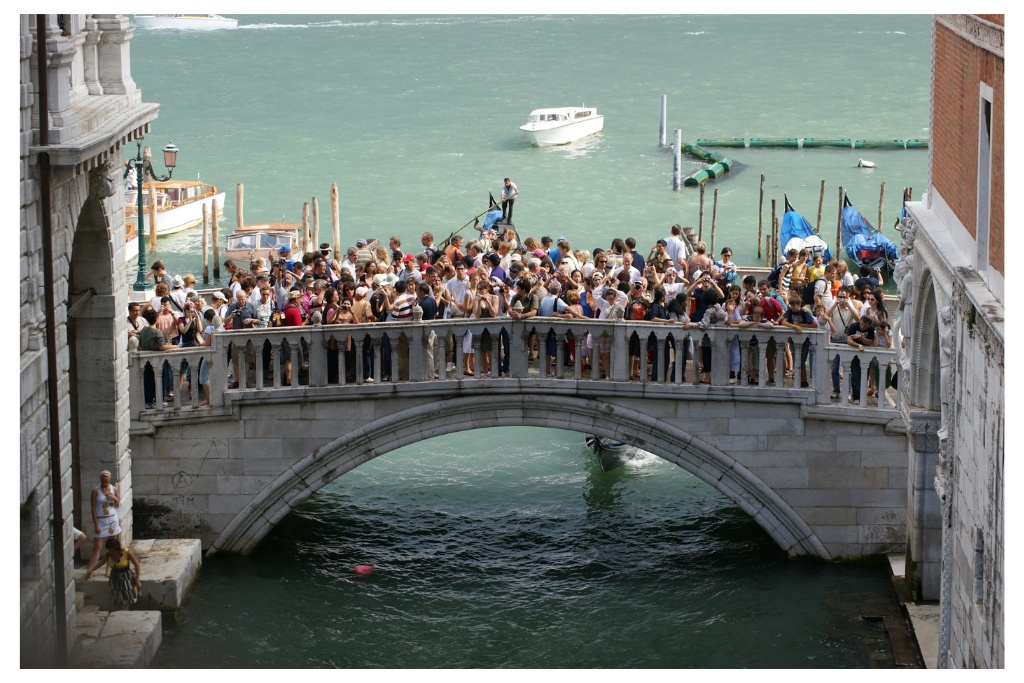
The best part about traveling during the shoulder season is the fewer people. This means less time in lines and more authentic interactions. Whether it’s a must-do tour or a TikTok-famous restaurant, making reservations during this period is more feasible. Less demand means less stress — a win-win situation for those who want to fully immerse themselves in the destination.
Lower Prices
Studies show mid-to-late August offers the cheapest airfares for international flights. This period can represent the transition into the shoulder season as families return home from summer trips and crowds thin, offering better value. Aside from flights, expect to enjoy lower prices on theme parks, hotels, rental cars and attraction admissions.
Fewer Off-Season Closures
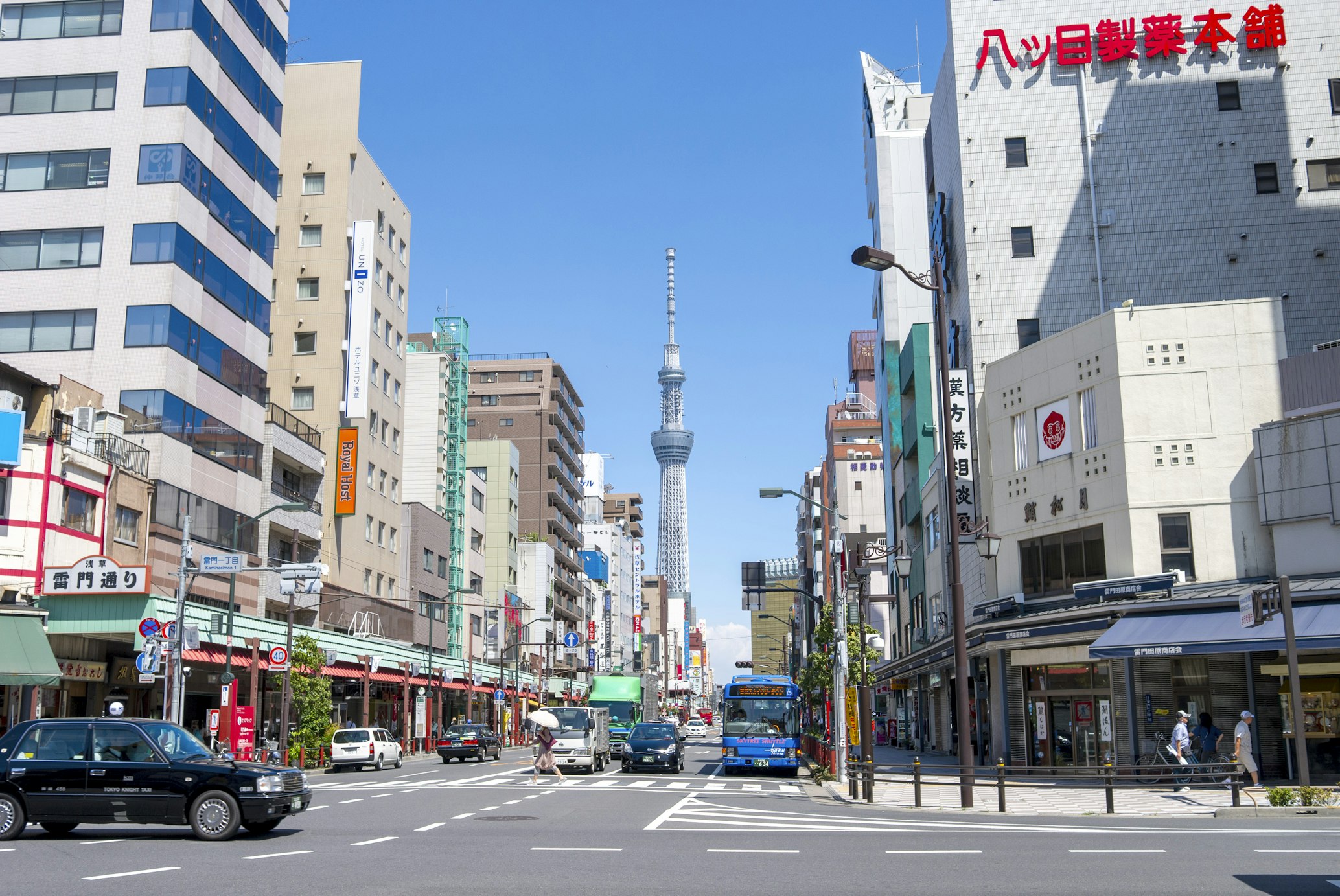
During the off-season, some attractions see low demand and close. For instance, boat tours might close up for the winter and ski resorts could close during the hotter months. Tokyo is one of the top autumn destinations, according to flight searches on the online travel agency. Fall travelers can access attractions, but with fewer lines.
Experience “Just Right” Weather
Since shoulder seasons usually happen during spring and autumn, you can experience mostly sunny, yet cooler days that are ideal for outdoor activities. During spring, you can also witness blooming flowers and gradually warming temperatures. Fall offers comfortable temperatures and beautiful foliage. The milder weather can boost your travel experience, making outdoor strolls, nature activities and days at the theme park more comfortable during summer or winter.
Witness Unique Experiences
Many people dream of seeing Paris on a sunny, summer day, just when every restaurant, cafe and attraction is jam-packed. Visiting during the shoulder season — when it’s often too cold to be outdoors — offers a unique experience. It might not be what you see on Pinterest, but it definitely is something only you will get to experience.
Why Traveling During Shoulder Season May Not Be for You
All good things have their fair share of downsides, too. Here are the possible disadvantages of booking your travel during the off-peak season.
Unpredictable Weather
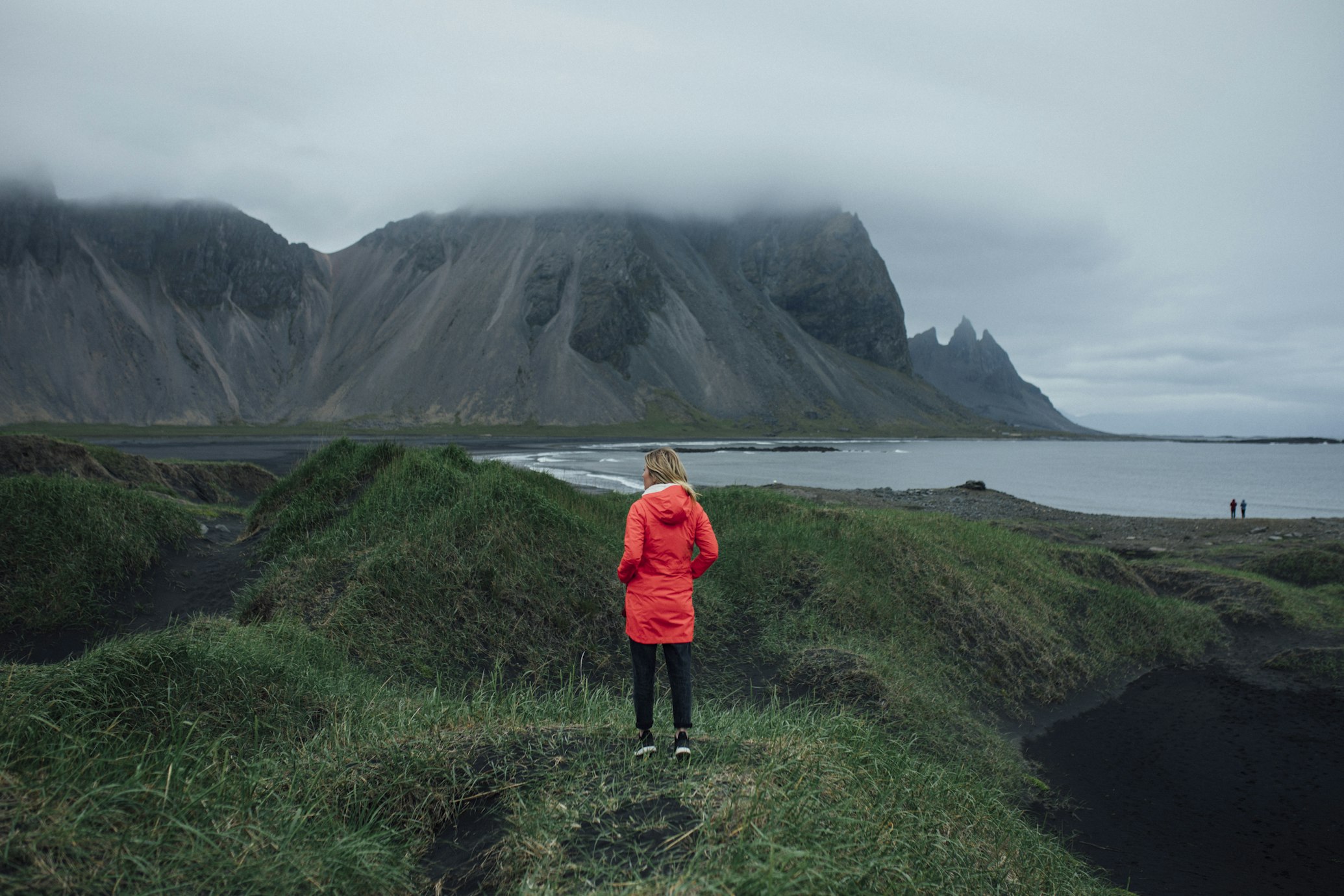
Some regions may experience the Atlantic hurricane season, which may overlap with the fall shoulder season. It helps to check the weather report before you go, or just to save trips to those areas for spring to be safe. Make sure to check the weather forecast for your destination a week before your trip so you can pack accordingly.
Navigating Shorter Hours
There’s still a chance that seasonal attractions or restaurants will be closed. Always check opening times online for must-see spots and have a list of backup ideas. This isn’t a danger in itself, but it requires more planning to avoid getting stranded or finding yourself in a difficult situation. However, this is where the adventure comes in — finding a hidden gem when the main attraction is closed.
Less “Natural Surveillance”
In peak season, bustling streets, crowded attractions and busy hotels create a sense of “safety in numbers.” There are people around who would notice if something were amiss. When it’s quiet and if you’re traveling solo, you may find yourself alone on a scenic street or hiking trail, which means you may need to rely more on your own awareness and preparedness.
Is Shoulder Season Right for Your Travel Style?
Now that you know the pros and cons of traveling during the off-season, it’s time to figure out if this is for you.
You’ll love it if you:
- Are a budget-conscious traveler who enjoys good deals
- Prefer a more local, authentic experience over an overcrowded, touristy one
- Are flexible and willing to embrace unexpected changes as part of the adventure
You might want to reconsider if:
- You have your heart set on a specific weather-dependent activity, such as skiing at a ski resort
- You have a rigid schedule and have a list of non-negotiable attractions to see
- You prefer the energy of big crowds and bustling nightlife
How to Make the Most of Your Shoulder Season Travel
Here are a few things to keep in mind when planning your shoulder season trip:
Find Out When Shoulder Season Is
As mentioned, this period is not a universal time frame worldwide. Some shoulder seasons in some popular tourist spots include:
- Japan: May to August and November to December
- Southern Africa: April to May and September to October
- American Southwest: March to April and October to November
- Mainland Europe: April to May and September to October
Pack Layers
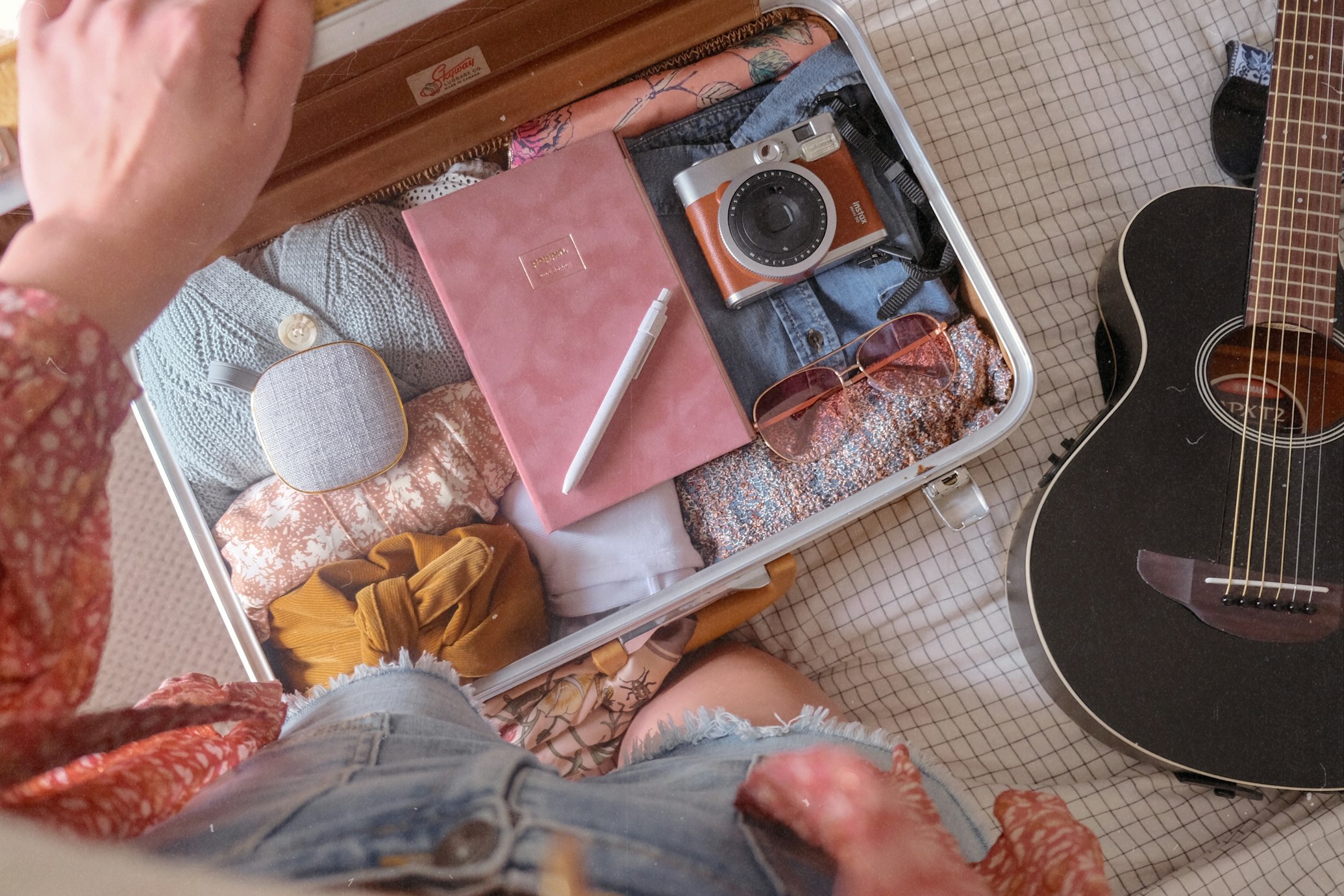
The weather is generally nice, but unpredictable. Always pack layers, including sweaters, waterproof gear and lighter clothing. Always bring a versatile jacket or cardigan that adds warmth and helps transform your look.
Research Local Holidays
Look for events, festivities and concerts that would occur during your travel time. For instance, in Hawaii, there’s Waikiki Ho’olaula’a, a party celebrating island life. In Santorini, fall is the time for grape harvest, providing the perfect opportunity for intimate tastings and open-barrel events.
Embrace the Adventure
The shoulder season offers a more authentic experience and big savings, making it a conscious choice for budget-friendly travelers. While there are cons, they are easy to navigate with proper preparation. With the right mindset, these challenges will become unforgettable experiences in your adventure.





Share this article