


Revivalist is a reader-supported endeavor and our posts may contain affiliate links. When you buy through links on our site, we may earn an affiliate commission.
Tourism transforms cities, boosts economies, and connects cultures. However, too much of it can destroy what makes a place special. Overtourism refers to the tipping point when visitor numbers overwhelm a destination’s infrastructure, environment, or community. As cities like Venice, Machu Picchu and Barcelona show, this imbalance has real consequences. Understanding overtourism can help you make more conscious, lasting choices.
What Is Overtourism and What Conflicts Does It Create?
Overtourism occurs when an excessive number of tourists arrive at a location, surpassing its capacity to handle them sustainably. This can result in various negative effects, including overcrowding, harm to the environment, pressure on infrastructure and a lower quality of life for local residents. It can also make it less enjoyable for visitors.
Overtourism damages cultural sites, natural resources and local economies as visitors overwhelm sensitive destinations. Tourism stakeholders now face growing pressure to manage travel flows, protect public spaces and prioritize local well-being over mass appeal. Understanding what is overtourism can help travelers choose smarter routes while preserving the places they love.
Examples of Overtouristed Places
These places welcome millions each year, but the influx stretches their infrastructure, displaces residents and damages cultural or natural landmarks. From historic city centers to fragile ecosystems, overtourism alters how locals live and how travelers experience these locations. These destinations highlight what happens when tourism grows unchecked and show why smarter travel choices matter.
1. Venice
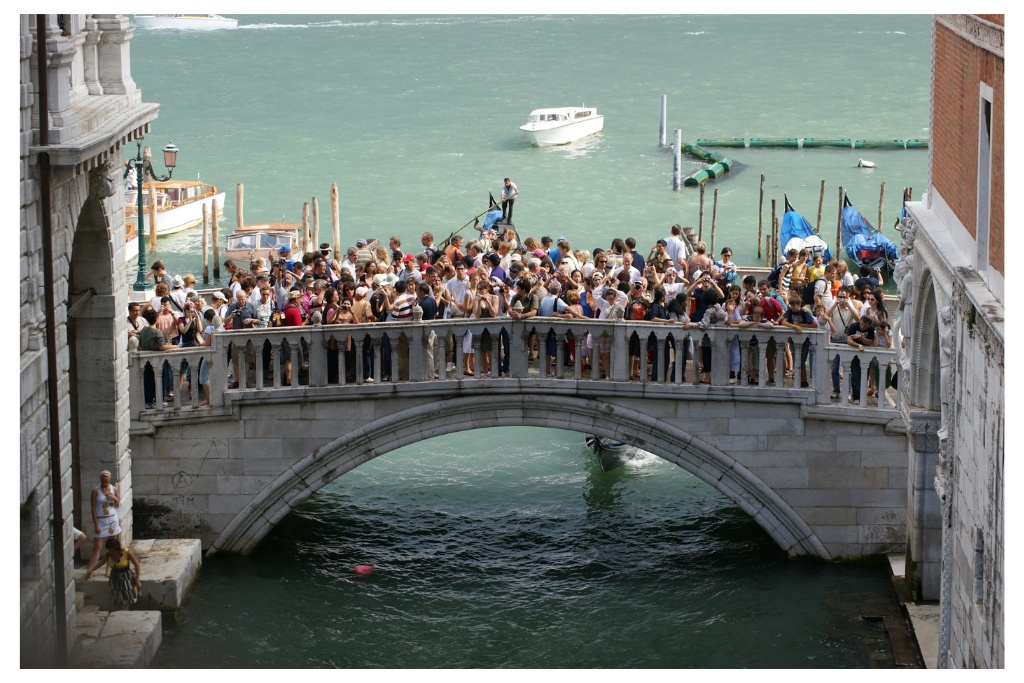
Venice is one of the most well-known examples of overtourism in Europe. It receives millions of tourists annually, many from massive cruise ships that crowd the lagoon. Narrow streets and fragile canals buckle under constant foot traffic. Local businesses increasingly cater to tourists, pushing out traditional services. Residents continue leaving the city center due to rising costs and noise pollution.
2. Barcelona
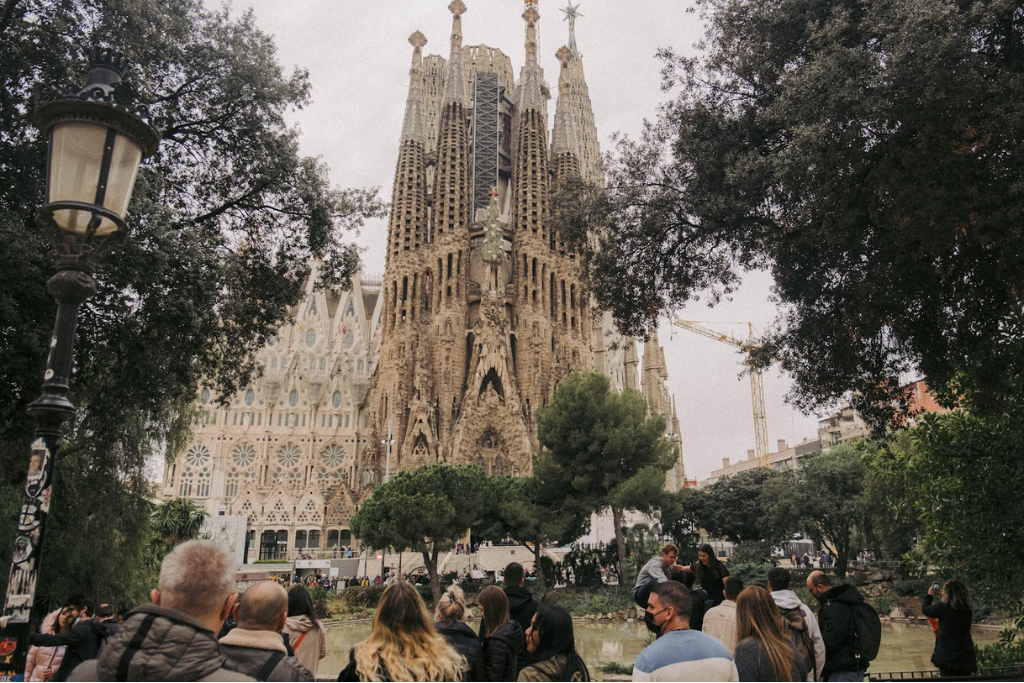
Around 800 cruise ships continue to arrive here annually, bringing in 1.6 million tourists to Barcelona. The city’s stunning architecture and coastal allure greet visitors, but locals are struggling with soaring rents and noise levels. Local markets and neighborhoods have shifted to accommodate short-term guests, which has impacted community life. Initiatives to restrict rental licenses demonstrate the city’s efforts to combat the challenges of overtourism destinations.
3. Machu Picchu
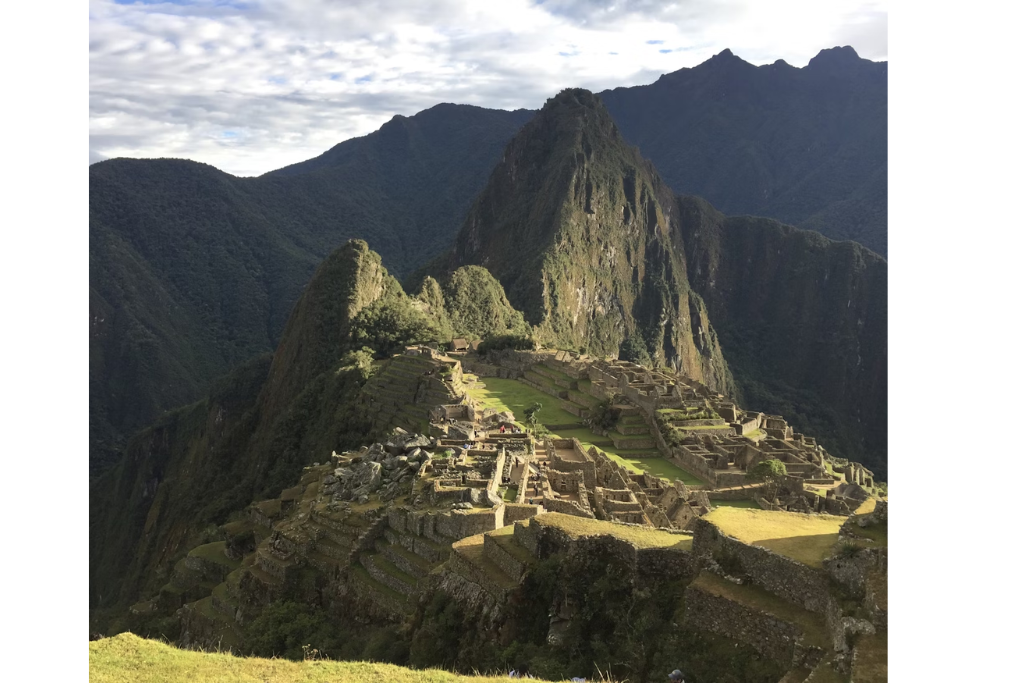
This Incan marvel sees thousands of visitors daily despite fragile terrain. Foot traffic degrades trails, and pollution harms the surrounding biodiversity. Authorities introduced entry limits to protect their integrity. Recognized as a World Heritage Site by UNESCO+, Machu Picchu now requires careful preservation to prevent irreversible harm. Its survival depends on controlled access and responsible tourism.
4. Bali

Bali’s reputation for tranquility now competes with traffic jams and overdevelopment. Tourism growth strains local water supplies and disrupts religious ceremonies. Plastic waste pollutes its beaches, and rice terraces shrink under hotel expansion. Though Bali remains iconic, it exemplifies what is overtourism in action. Long-term sustainability now depends on major changes to visitor management.
5. Santorini
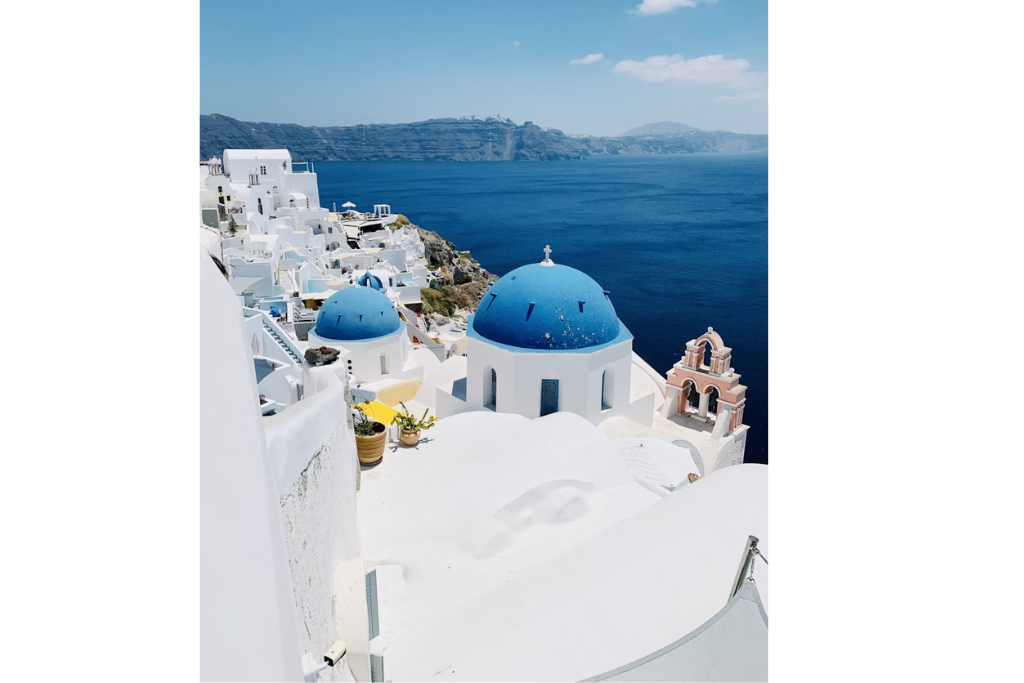
Santorini’s population of 15,000 receives over 2 million visitors yearly. Summer months push the island’s roads, waste systems and staff to their limits. Locals face inflated prices for housing and food. Cruise passengers often visit for hours, contributing little to the island’s economy while increasing environmental pressure. Santorini’s future depends on managing cruise tourism and preserving local life.
6. Amsterdam

Amsterdam’s famous canals and liberal culture attract over 20 million tourists each year. Local leaders have capped short-term rentals and banned new tourist shops in the city center. Residents feel overwhelmed by stag parties and large tour groups. The city’s new campaigns urge travelers to respect its norms. Amsterdam continues to redefine tourism to protect livability for locals.
7. Paris
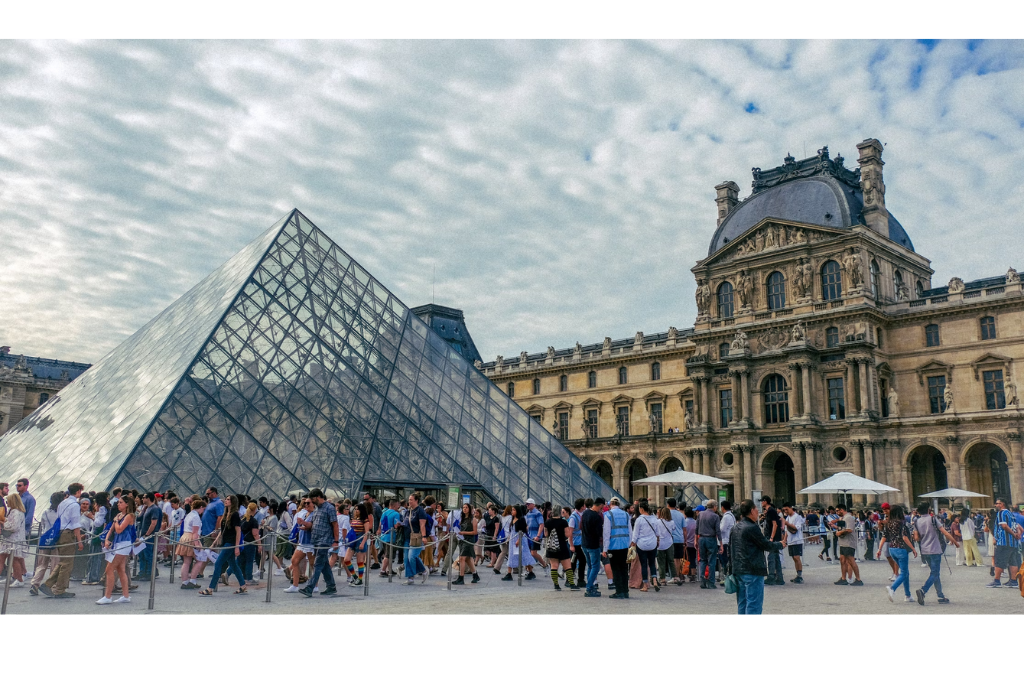
Paris hosts more than 30 million visitors per year, making it an iconic over-tourist destination. The Louvre — the world’s largest museum — draws so many people that art becomes hard to view. Source Locals avoid tourist-heavy areas, which now feel less Parisian. Overtourism also drives up apartment prices, displacing longtime residents. Authorities now face mounting pressure to protect cultural authenticity.
8. Mallorca

This Balearic island — which once enjoyed serenity now suffers traffic — waste and price inflation. Hotels and short-term rentals dominate the coastline. Locals organize protests calling for tourism caps. Beaches struggle with litter and ecosystem degradation, turning Mallorca into one of the top overtourism destinations in Europe. Calls for policy change grow louder as the island struggles to balance profit and preservation.
9. Athens
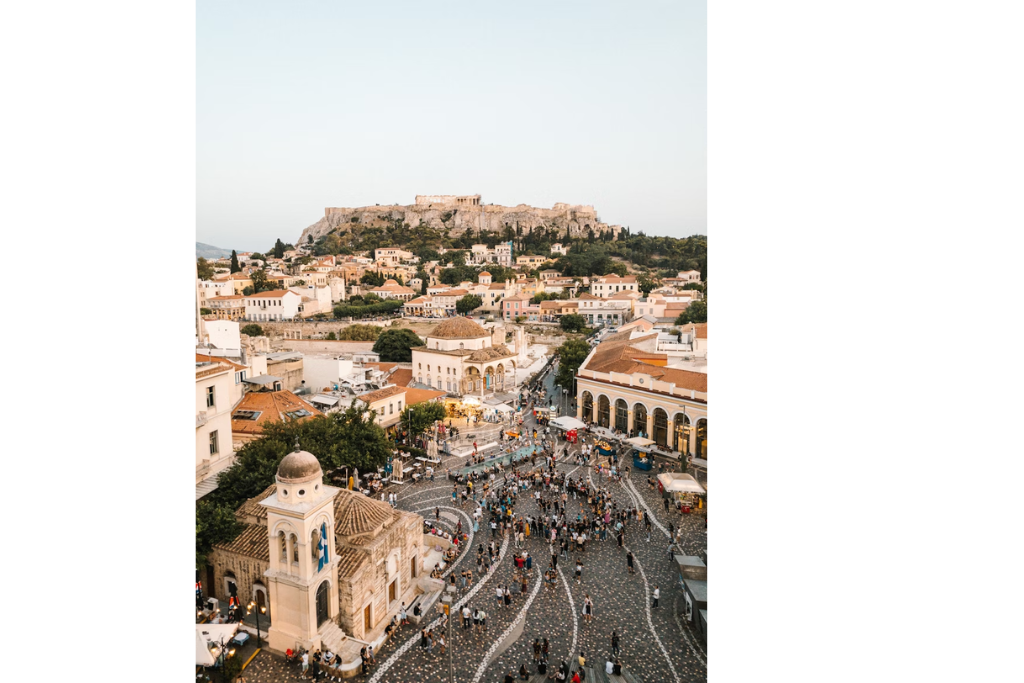
Athens attracts millions with its ancient ruins and historic neighborhoods. The influx leads to noise, pollution and overtourism-driven sprawl. Traditional shops vanish under waves of souvenir stands. Locals are concerned over how commercial tourism erodes the city’s deep cultural identity. If you avoid the busy months of June and July, try scheduling your Athens trip for April, May, September or October. It will help locals and make your journey more enjoyable and away from big crowds.
10. Dubrovnik

Dubrovnik’s fortified Old Town draws in hundreds of cruise ship visitors each day. Once a tranquil coastal city, it now experiences a staggering 27 tourists for every local at its busiest times. Locals face rising rent prices and limited access to their own neighborhoods. Though tourism revived its economy after the war, Dubrovnik shows what is overtourism when media exposure overwhelms capacity.
11. Lisbon

Lisbon’s cultural revival led to a tourism boom, but it brought housing shortages and displacement. Historic neighborhoods fill with short-term rentals, pricing out locals. Tourist crowds congest narrow streets and overwhelm transit systems. Though Lisbon remains vibrant, it now faces the challenge of growth without erasing community life. Local pushback grows as residents fight to keep the city livable.
How To Travel Without Contributing to Overtourism
Avoiding overtourism is about traveling better — instead of avoiding. Choose off-season visits and lesser-known regions to reduce crowding. Support local businesses over global chains and stay longer in fewer places. Always research if a place struggles with crowd control before booking. By learning what overtourism is and acting thoughtfully, you help preserve the soul of the places you love.


Share this article