


Revivalist is a reader-supported endeavor and our posts may contain affiliate links. When you buy through links on our site, we may earn an affiliate commission.
Booking a trip for one is one of the boldest things you can do. You set the itinerary, you pick the playlist and every discovery feels entirely your own. The only catch is that scammers sometimes see solo travelers as easy targets. The good news is that once you know what to look for, you can sidestep common travel scams with confidence and get back to the adventure.
Know Why Scammers Target Solo Travelers
Scammers love a distracted tourist, and someone navigating a new city alone can look tempting. Travel-related scams ranked among the top 10 riskiest affecting consumers across North America, making it very much worth preparing for rather than a rare stroke of bad luck.
Imposter scams alone cost consumers $2.95 billion in 2024, and people lost more money through bank transfers and cryptocurrency than every other payment method combined. That matters on the road because con artists love to pressure travelers into those fast, untraceable payments.
Spot the Most Common Travel Scams
Most scams that target travelers are variations on a few classic setups. Learn these five, and you’ll recognize nearly every remix of them, no matter where in the world you land.
1. The Broken Taxi Meter
You hop in a cab and the driver claims the meter is broken, then quotes a sky-high flat rate at the end of the ride. Agree on a price before the car moves, or stick to rideshare apps and official taxi stands that post set fares. If a driver refuses to commit to a fare, smile, step out and find another ride.
2. The Free Bracelet or Petition
Someone ties a friendship bracelet around your wrist or asks you to sign a petition for a charity, then demands payment or distracts you while a partner lifts your wallet. Keep your hands free in crowded tourist areas and keep moving. A firm ‘no, thank you’ delivered with a smile works wonders.
3. The Closed Attraction
A friendly local near a famous landmark tells you it’s closed for a holiday or private ceremony, then offers to guide you to a better shop, temple or tour instead. The detour usually ends at a business that pays them a commission. Verify hours yourself on the official website or your hotel before you change your plans.
4. The Spill and Grab
Someone bumps into you, splashes a drink on your jacket or points out a mysterious stain on your shoulder, then helpfully dabs at the mess while an accomplice grabs your bag. If a stranger suddenly gets hands-on, secure your belongings first and accept apologies later. Your essential items matter more than your dry cleaning.
5. The Fake Police Officer
Someone flashes a badge, accuses you of a minor violation and demands an on-the-spot fine in cash. Real officers rarely collect money on the street. Stay calm, ask to resolve the matter at the nearest police station, and watch how quickly the so-called officer loses interest.
Build Smart Habits Before You Go
Your hotel is your home base and one of your best defenses against common travel scams. Research the neighborhood before you book and choose properties with in-house security or a 24-hour front desk. Once you settle in, grabbing dinner at the hotel bar is a casual way to meet other guests and get trusted recommendations from the bartender.
A few more smart habits will serve you well once you head out to explore:
- Lean on hotel staff for advice about which neighborhoods to skip and which taxi companies play fair
- Pay with credit cards whenever possible, since they offer fraud protection that wire transfers and cryptocurrency don’t
- Treat anyone who insists on untraceable payment methods as a red flag
- Keep digital copies of your passport and ID in a secure cloud folder
- Share your daily plans with a friend back home so someone always knows where you are
Finally, stay sharp even when a destination feels relaxed. Americans often read as warm and trusting, which is charming at home and risky in a packed tourist square.
Choose Your Destination With Confidence
Where you go shapes how easy it feels to stay scam-free. Some destinations are famously welcoming to women traveling solo, making them perfect for building your solo travel muscles. Spain, for example, ranks among the top ten safest places for women traveling alone in a global index that measures female safety worldwide.
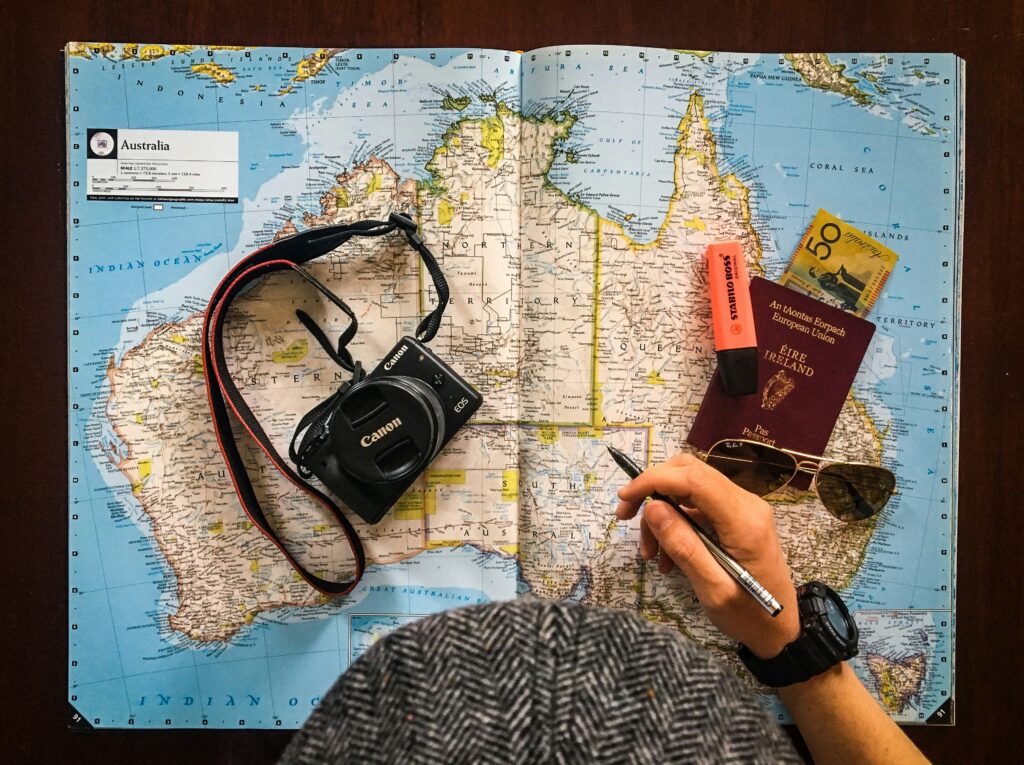
Starting somewhere with a strong safety reputation lets you practice your scam-spotting skills in a lower-stakes setting. Once dodging the broken meter and the bracelet trick feels like second nature, you can take those instincts anywhere.
Travel Boldly and Stay Sharp
Scam awareness isn’t about fear. It’s about freedom. When you can spot the too-good-to-be-true tour from a mile away, you move through the world with the easy confidence of a seasoned traveler. Pack your curiosity, trust your gut and keep your plans flexible. The world is waiting, and you’re more than ready for it!


Share this article