


Revivalist is a reader-supported endeavor and our posts may contain affiliate links. When you buy through links on our site, we may earn an affiliate commission.
Everyone online seems to be talking about “skin cycling” right now. It’s no surprise, really — people are putting more effort into self-care than ever before, and the numbers back it up. The skin care industry is expected to make $204 billion worldwide in 2026 alone. As skin health and appearance become greater priorities for more people, this industry will continue to grow.
At its core, skin cycling is about making your products last while learning exactly how different ingredients work on your skin.
What Is Skin Cycling?
Skin cycling is a term coined by Dr. Whitney Bowe, MD, a dermatologist who shared her findings on TikTok. It involves allowing your skin time to heal between products that might irritate it, rotating what you use so you’re not piling everything on in one night, and never giving your skin a chance to breathe.
Dr. Whitney Bowe says skin cycling is easy to follow, but many people don’t practice it. “I’ve treated thousands of patients for over a decade as a dermatologist, and I find that one of the top mistakes people make when it comes to their skincare is that they don’t build in nights for their skin barrier to recover,” she explains.
Many people have an extensive morning routine that keeps their skin healthy and glowing, but nighttime is when the more intense products get their moment in the spotlight. These have higher concentrations of ingredients that can leave your skin barrier irritated and tired. Strategically planning your usage gives your skin barrier the time it needs to recover.
How to Cycle Through Your Products for More Balanced Skin
As with any new active ingredient, it’s worth checking in with a dermatologist before starting, especially if you have a preexisting skin condition.
This method seeks to help people get back to the basics rather than sticking with an unrealistic skin care routine that does more harm than good due to irritation. It’s only four days long and looks like this:
- First night: Use your cleanser as usual, then apply your exfoliant. Use moisturizer afterward.
- Second night: This night will be the same as the previous one, but you’ll use retinol instead of exfoliant. The exfoliant will have left your skin smooth and in good shape for the retinol to penetrate the skin barrier.
- Third and fourth night: Use cleanser and moisturize. No extra steps are needed so your skin can have a break.
Dermatologists note that skin cycling is meant to be a flexible, long-term framework rather than a rigid schedule, so it’s fine to add an extra recovery night if your skin feels irritated.
What You’ll Need for Your Skin Cycling Routine
You’ll have to come equipped with the right materials to jump on the skin cycling trend. Start with gentler products until you know what your skin can handle. Then, you can graduate to products that may be a bit stronger.
1. Chemical Exfoliant
Chemical exfoliants might be more potent than gritty ones. They’re smoother and won’t feel like you’re scrubbing your skin to put them on. Exfoliating your face is a crucial step in your regular skin care routine, as it removes dead skin cells and helps your face appear brighter overall.
The INKEY List Glycolic Acid Toner has become a go-to pick for exfoliation at night. At a 10% concentration, glycolic acid’s small molecular size lets it penetrate effectively, and it’s a more budget-friendly option than many exfoliating serums.

For sensitive or beginner skin, a PHA-based toner is a gentler starting point. PHAs deliver similar renewal benefits to AHAs and BHAs while also drawing moisture into the skin, making them a good entry point before working up to glycolic or salicylic acid.
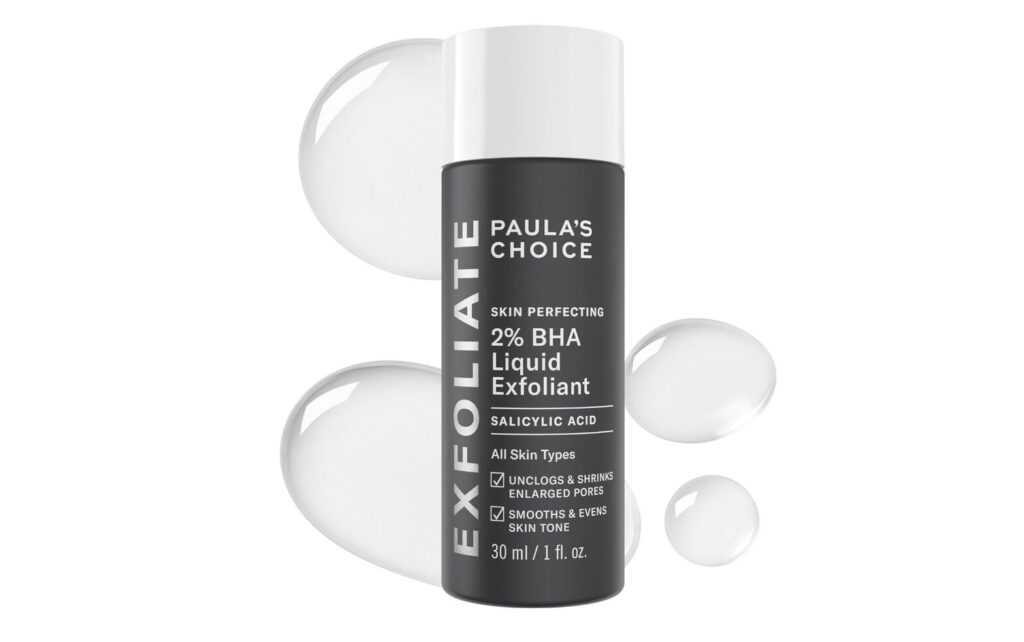
The Skin Perfecting 2% BHA Liquid Exfoliant from Paula’s Choice is a long-standing dermatologist-favored pick, as well. Its salicylic acid formula unclogs pores and smooths texture, and it’s gentle enough to start every other day before working up to daily use.
2. Retinol
Retinol is another product you need to add to your lineup. The right retinol will increase your skin’s production of collagen, leaving you looking younger and with fewer fine lines. You don’t need to use a lot — a pea-sized amount for each area you want to apply it to will be enough. Always use retinol at night, unless you have a strong enough sunscreen to combat the damage the sun can do.
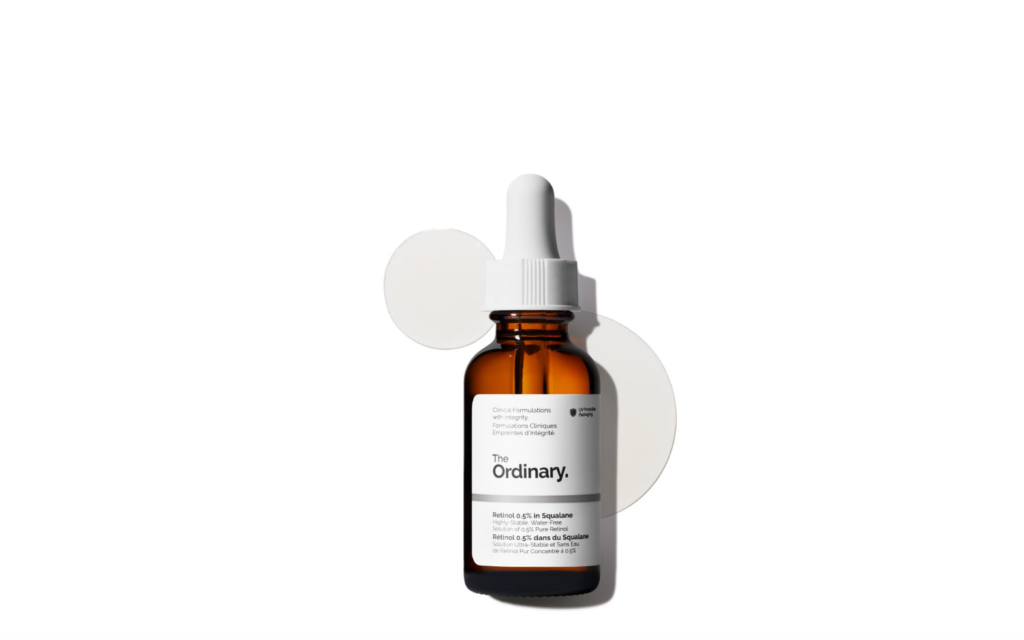
Dermatologists commonly point beginners toward The Ordinary Retinol 0.5% in Squalane, since the squalane base makes it gentler on skin that’s new to retinoids.
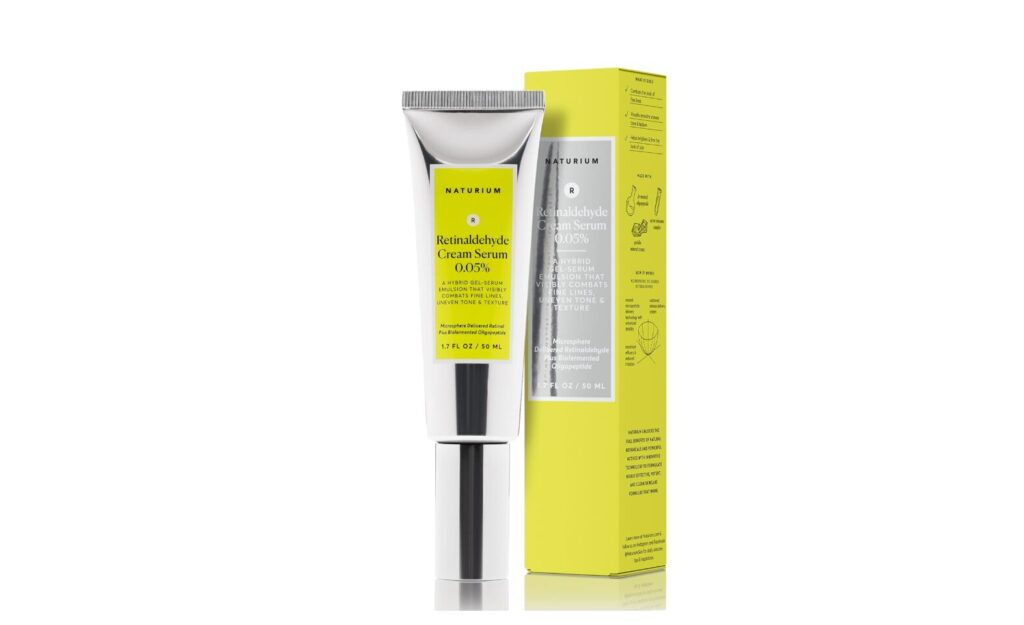
Those who’ve already built up tolerance often move on to a retinaldehyde formula, such as Naturium’s Retinaldehyde 0.05% cream serum. Retinaldehyde converts to retinoic acid faster than standard retinol, making it a stronger option for more experienced users.
3. Moisturizer
Moisturizers can do so many things, and they come in several forms, so people with all skin types can enjoy them. These products can help your skin repair any damage caused by dryness, and they’re great at protecting it from wrinkles and other potentially irritating products, like makeup. You need a moisturizer for every night of your skin care routine, regardless of if you’re exfoliating or using retinol.
La Roche-Posay Toleriane Double Repair Moisturizer is a frequently recommended pick for skin cycling routines. It’s non-comedogenic, allergy-tested, and formulated to restore the skin barrier, making it suited to nights right after exfoliating or applying retinol.

CeraVe’s ultra-lightweight Facial Moisturizing Lotion remains a solid, oil-free option for nighttime use, particularly for those with oilier skin types who need barrier support. With three essential ceramids, niacinamide and hyaluronic acid, it strengthens the skin barrier in one hour. Since it is noncomodogenic, it won’t clog pores.

Listen to Your Skin First
You are the one who knows best for your skin. If you see it start to get red and irritated more than usual, something about the product you’re using isn’t a great fit for you. Strive to find the best fit for your skin so you know it’s taken care of, no matter your skin care routine. Skin cycling is a great way to give your skin a rest and schedule a break while promoting a healthy glow.
Originally posted 11/04/2022 — Updated 07/31/2026





Share this article