


Revivalist is a reader-supported endeavor and our posts may contain affiliate links. When you buy through links on our site, we may earn an affiliate commission.
Wellness trends come and go, but some reflect a broader shift toward making everyday health more intentional. People are paying closer attention to sleep, nutrition, gut health, recovery, skincare and even how technology can support their well-being. Wellness doesn’t mean following a strict routine or buying every product that goes viral. The most useful trends can be adapted to your lifestyle and maintained over time.
- Prioritizing Better Sleep
Sleep has become one of the biggest areas of focus in modern wellness, and it’s easy to understand why. Getting enough quality sleep supports physical recovery, concentration, mood and everyday energy.
Rather than treating sleep as whatever time is left after work, exercise and social commitments, sleep wellness puts it on the schedule. Maintaining a relatively consistent bedtime and wake time, creating a comfortable bedroom environment and reducing stimulating activities before bed can all contribute to better sleep habits.
Your evening routine also matters. Dimming the lights, putting your phone away and giving yourself time to unwind can help create a clearer translation between a busy day and bedtime.
Sleep trackers can also provide insights into sleeping patterns, although their data should be viewed as a useful guide rather than a medical diagnosis. If persistent sleep problems are affecting your daily life, speaking with a healthcare professional is more appropriate than relying solely on an app or wearable.
- Proteinmaxxing Without Overcomplicating Your Diet
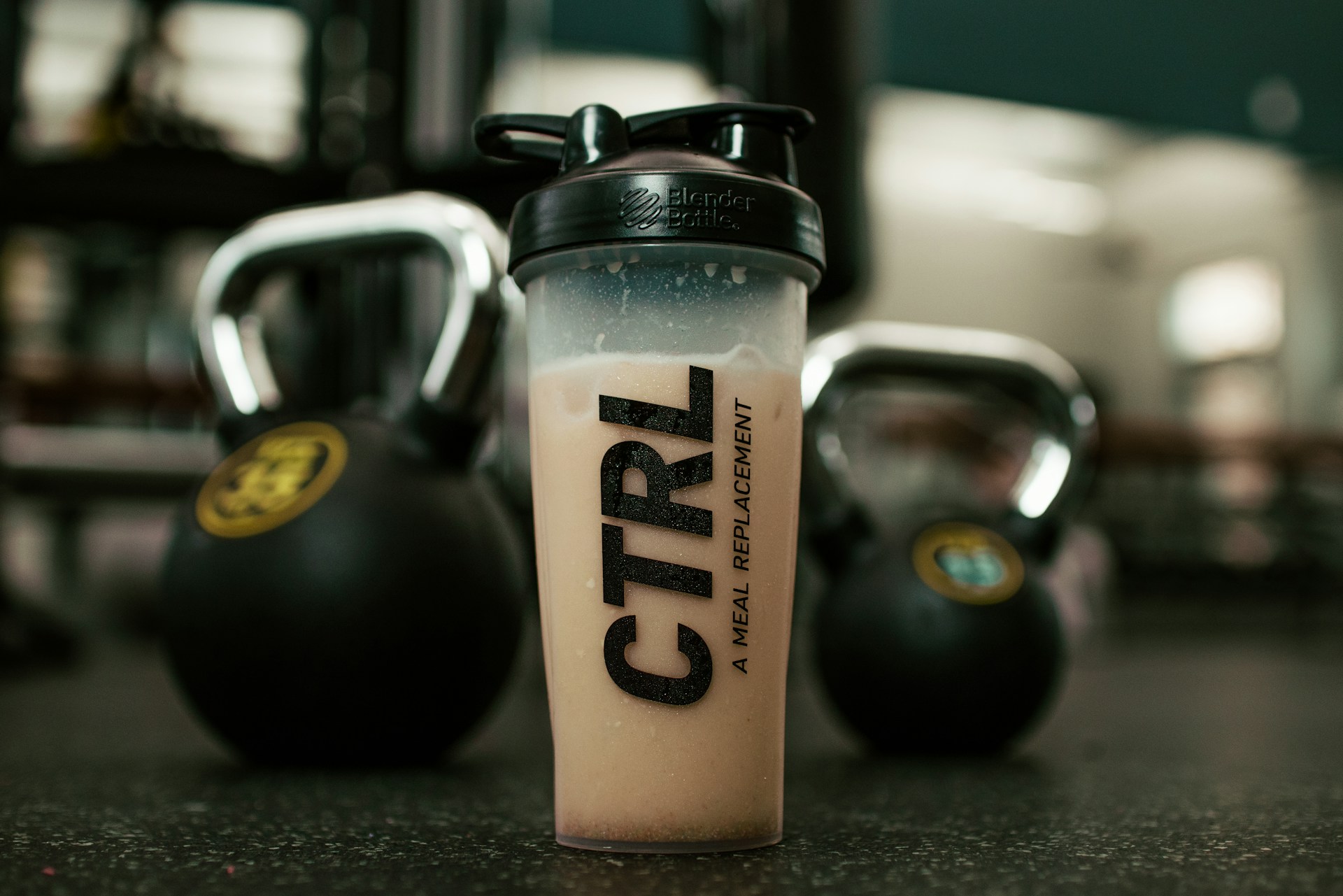
Proteinmaxxing is one of the newer wellness trends taking over social media, with people deliberately increasing their protein intake to support muscle maintenance, recovery and satiety. The trend ranges from relatively sensible meal planning to more unusual approaches, including meals such as “Boy Kibble,” which became a viral example of how far internet wellness culture can take the protein obsession.
Not everyone needs to maximize protein at every opportunity. Rather, protein is an important nutrient, and including a meaningful source in meals can make it easier to meet your needs.
Eggs, Greek yogurt, tofu, legumes, fish, lean meats, cottage cheese and protein-rich plant foods can all contribute. Protein powders and high-protein snacks can also be convenient, particularly for people with higher nutritional requirements.
- Paying Attention to Gut Health
Gut health has moved from a niche health topic into mainstream wellness. People are increasingly interested in how digestion, diet and the microorganisms living in the gastrointestinal tract may relate to overall health.
A gut-friendly approach generally starts with dietary variety rather than a cabinet full of supplements. Different types of plant foods provide different fibers and other compounds that can support a diverse gut microbiome.
Fermented foods such as yogurt, kefir, kimchi and sauerkraut are also frequently associated with gut-health routines. However, tolerance varies considerably between individuals, so a food that works well for one person may cause digestive discomfort for another.
- Fibermaxxing for Better Nutrition
Fibermaxxing encourages people to become more intentional about their fiber intake. Fiber is found naturally in foods such as vegetables, fruits, whole grains, beans, lentils, nuts and seeds.
Increasing fiber can be a useful nutritional goal because fiber plays an important role in digestive health and blood sugar. It’s also associated with several aspects of long-term health.
However, suddenly adding large quantities of fiber to your diet is unlikely to make you feel better. A gradual increase, alongside adequate fluid intake, is generally more practical.
- Using AI as a Wellness Tool
AI is increasingly finding its way into everyday wellness. From meal-planning tools and fitness apps to sleep analysis and personalized habit tracking, AI can make it easier to organize information and create routines around individual goals.
For example, AI can help generate grocery lists from a meal plan, suggest ways to make meals more protein-rich or create a realistic weekly exercise schedule. It can also help you identify patterns in information you’ve already collected, such as changes in sleep or activity.
But AI should complement professional advice rather than replace it. It doesn’t have the ability to physically examine you, perform diagnostic tests or understand your medical history in the same way a qualified professional can.
- Making Recovery Part of Your Routine
The idea that you need to push harder every day is gradually being replaced by a more balanced approach to training. Recovery wellness recognizes that rest and recovery are important parts of maintaining an active lifestyle.
Cold plunges have become particularly popular, alongside sauna sessions, massage, mobility work, stretching and other recovery techniques. Cold-water exposure can create a strong sensation of recovery, but its benefits shouldn’t be exaggerated.
Other approaches may be much simpler. Walking on a rest day, getting enough sleep, eating adequately after exercise and allowing sore muscles time to recover can all contribute to a sustainable training routine.
Recovery should also be individualized. More recovery tools don’t necessarily mean better recovery, and some techniques may not be suitable for people with certain health conditions.

- Building Smarter Skincare Habits
Skincare has increasingly become part of the wider wellness conversation, with people treating skin health as an extension of their overall self-care routine. The trend toward minimalism is particularly practical. Instead of using a complicated 10-step routine, people are increasingly focusing on a few consistent basics, such as gentle cleansing, moisturixation and daily sun protection.
Ingredients such as retinoids, vitamin C, niacinamide and exfoliating acids can have specific uses, but they’re not interchangeable and more active ingredients don’t necessarily produce better results. Introducing too many products simultaneously can also irritate the skin and make it difficult to identify what’s causing a reaction.
- Reducing Digital Overload
Technology can make wellness more convenient, but constantly being connected can have the opposite effect creating stress and anxiety. Between work notifications, social media, messages and endless scrolling, it can become difficult to create genuine downtime.
Digital wellness focuses on creating healthier boundaries with technology. This could mean switching off nonessential notifications, keeping your phone away during meals or establishing a screen-free period before bed.
You don’t have to delete every social media app or abandon your phone completely. Small boundaries can be enough to create more intentional periods of rest and concentration.

- Choosing Sustainable Wellness Routines
One of the most important wellness trends is moving away from all-or-nothing thinking. A routine doesn’t need to be perfect to be effective.
Someone who exercises three times a week consistently may benefit more than someone who attempts an intense seven-day program and abandons it after two weeks. Similarly, eating nutritious meals most of the time is more sustainable than following a highly restrictive diet that leaves no room for flexibility.
Sustainable wellness means adapting healthy habits to your actual life. That could mean preparing simple meals when you’re busy, taking a short walk instead of skipping movement entirely or choosing an earlier bedtime when you know you need more rest.
Make Wellness Work for Real Life
The best wellness routine isn’t the one that looks most impressive online. It’s the one that supports your health while still leaving room for work, relationships, hobbies, rest and enjoyment. Whether you start by improving your sleep, eating more fiber, prioritizing protein, experimenting with recovery or putting your home away at night, small sustainable changes can add up to a meaningful improvement in how you feel and function every day.


Share this article