


Revivalist is a reader-supported endeavor and our posts may contain affiliate links. When you buy through links on our site, we may earn an affiliate commission.
You’ve seen those magazine spreads featuring pristine white walls, sleek furniture and not a single personal touch in sight. They’re stunning, sure, but your first thought is probably “I could never live like that.” The good news? You don’t have to. Warm minimalism interior design offers all the calm and clarity of minimalism with the soul and comfort your home actually needs.
What Is Minimalist Interior Design?
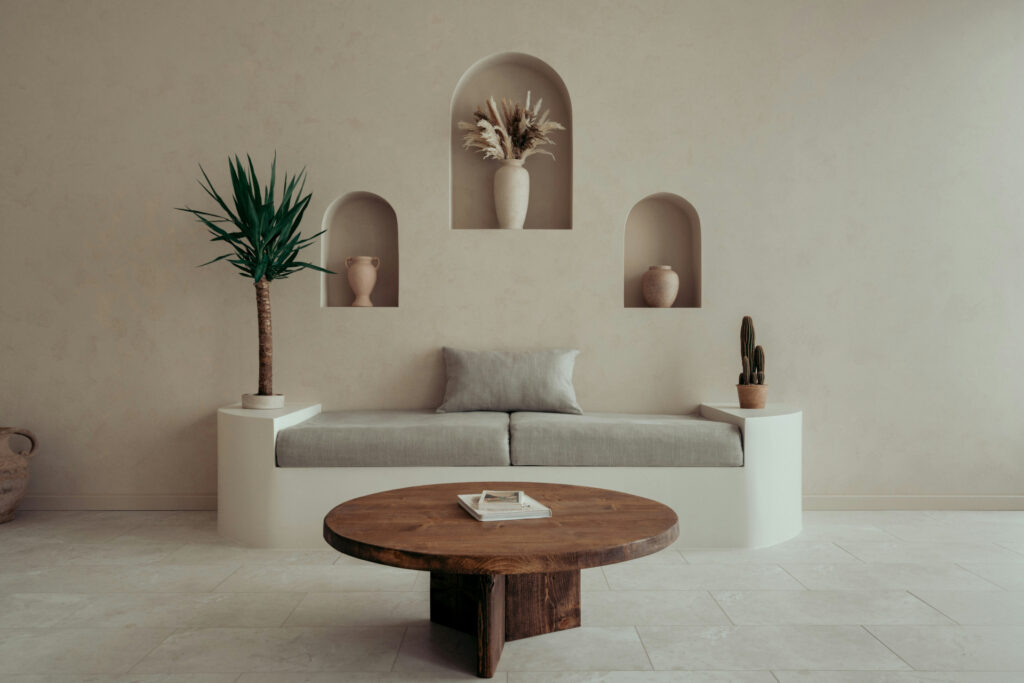
Minimalist interior design embraces clean geometric forms, industrial materials like steel and concrete, and anonymity over personal expression. As an art movement, it started in New York in the early 1960s as artists moved away from the emotional intensity of Abstract Expressionism. When this philosophy moved into interior design, it brought those same principles. The goal was function over feeling, simplicity over sentiment.
Why Picture-Perfect Minimalism May Not Work for You
Magazine-perfect minimalist spaces look amazing in photos, but living in one can feel like inhabiting a gallery instead of a home. Modern homes need to accommodate real life with all its beautiful mess. The traditional minimalist approach doesn’t leave much room for personality or the little touches that make a house feel like yours. If you have pets or children, it can feel especially unachievable.
Find Your Balance with Warm Minimalism Interior Design
Enter warm minimalism, the style that gives you permission to breathe. This approach keeps all the intentional, clutter-free principles that make minimalism appealing while layering in natural textures, earthy color palettes and personal touches that transform a space from austere to inviting.
Where traditional minimalism might use concrete and chrome, warm minimalism brings in reclaimed wood and handwoven textiles. It’s particularly perfect for modern homes because today’s open floor plans benefit from that sense of cohesion and calm, while natural materials prevent larger spaces from feeling cavernous.
Bring Warmth and Personality into Your Space
Ready to create your own version of this style? Here are the essential elements that transform minimalism from stark to stunning.
Embrace an Earthy and Intentional Color Palette

Your color foundation should feel like a warm hug. Start with creamy whites and soft beiges for your walls and larger furniture pieces. These aren’t the stark whites of traditional minimalism but softer, warmer tones with undertones of ivory or sand. Think of the color of natural linen or undyed cotton.
From there, bring in earthy accent colors that feel pulled from nature.
- Terracotta throw pillows add a sun-baked warmth.
- Sage green plants or a muted olive accent wall create calm without feeling sterile.
- Soft camel browns in a leather chair or clay pottery pieces on your shelves add depth.
- Dusty rust tones in artwork or textiles give the space energy without overwhelming it.
The key is keeping your palette cohesive and grounded in nature rather than introducing bright pops of synthetic color.
Layer Textures and Natural Materials
The secret to avoiding that cold, untouchable feeling is texture and lots of it. Start thinking about how materials feel, not just how they look.
- A chunky knit throw draped over your sofa adds visual interest and invites you to curl up.
- Swap out metal chairs for ones with woven rattan seats.
- Choose a reclaimed wood coffee table with visible grain instead of a glass one.
- A marble side table or slate coasters bring in organic patterns that feel grounding.
- Linen curtains instead of sleek roller shades soften the light and add movement.
The goal is to create layers that your eye can rest on and your hands want to touch.
Choose Furniture with Soft Lines and Organic Shapes
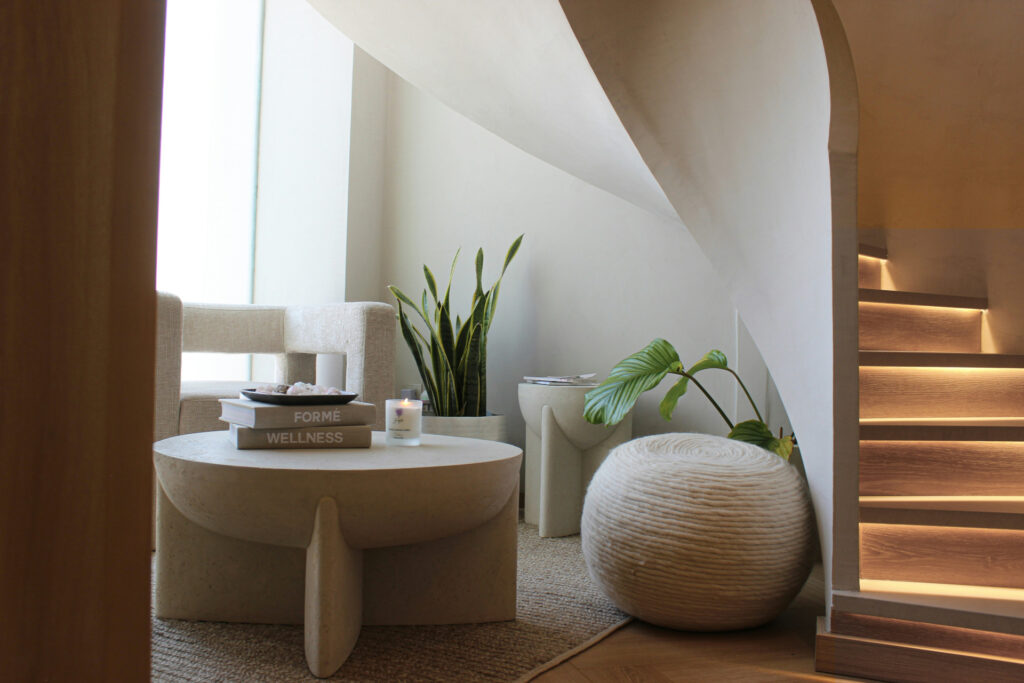
Sharp corners and rigid geometry can make a space feel harsh. Modern warm minimalism embraces furniture with gentle curves and organic shapes that feel more approachable.
- Look for sofas with rounded arms instead of straight edges.
- An oval dining table creates better flow than a rectangle and encourages conversation.
- A ceramic vase with an asymmetrical shape or a mirror with soft, irregular edges adds visual interest without clutter.
- A pendant light with a rounded, almost cocoon-like shade feels more inviting than a geometric fixture.
These softer shapes make your space feel more human and less like a showroom.
How to Make the Style Uniquely Yours
While the foundation suggests earthy tones, the most important rule is that your home should reflect who you are. Love a particular color? The bold use of your favorite tones throughout a room can create a cohesive look while maintaining that clean, minimalist feel. Who says you can’t have a minimalist home in shades of teal or pink?
When it comes to your possessions, decluttering is part of the philosophy, but it doesn’t mean getting rid of everything you love. Consider these strategies:
- Invest in clever storage solutions like woven baskets or wooden boxes that hide everyday items while adding texture.
- Curate a few meaningful pieces as focal points. That vintage camera collection looks more impressive on one dedicated shelf.
- Choose furniture with hidden storage like ottomans with interior space or bed frames with built-in drawers.
The goal is intentionality, not emptiness.
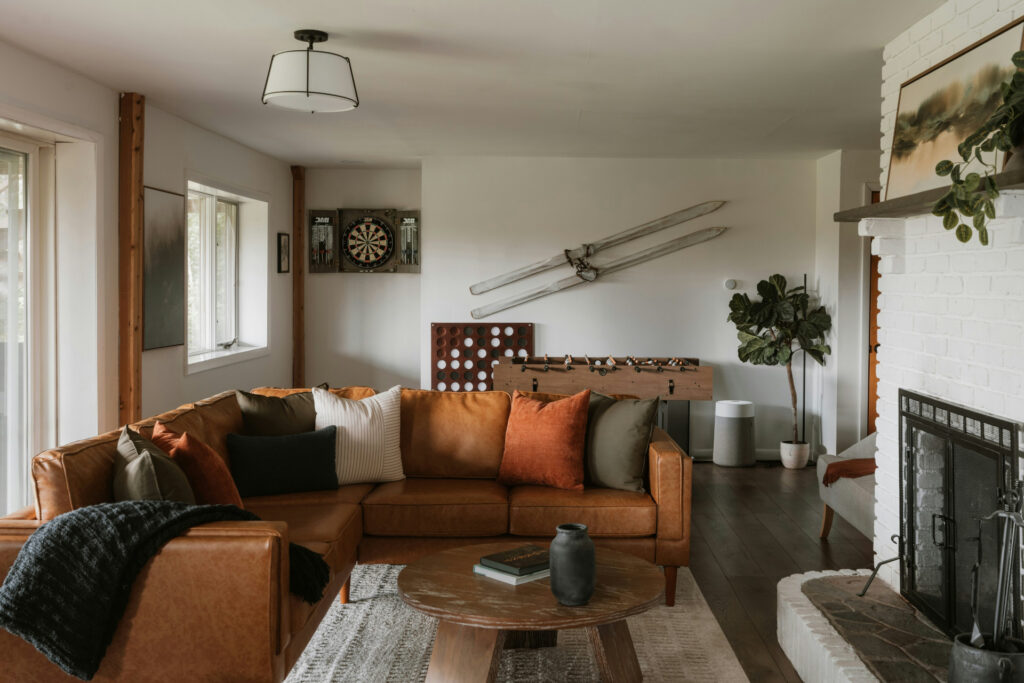
The Psychological Benefits of Warm Minimalism in Interior Design
Beyond aesthetics, there are real emotional reasons to embrace this style. Your environment shapes how you feel, and warm minimalism creates a space that supports your well-being.
Reduce Stress with a Clutter-Free Environment
Visual clutter creates mental clutter. Research shows that clearing clutter provides more room and mental space, which can improve well-being significantly. The minimalist principle of keeping only what serves you creates a sense of control. You spend less time searching for items and more time enjoying your surroundings.
Boost Your Mood with Thoughtful Colors and Light
The warm color palette does more than look pretty. It creates an atmosphere that feels safe and grounding. People naturally seek indoor environments that meet spiritual and emotional needs, not just functional ones. Those earthy terracottas and sage greens connect you to the natural world. By keeping window treatments simple, you invite more sunlight into your space, improving your mood and energy levels.
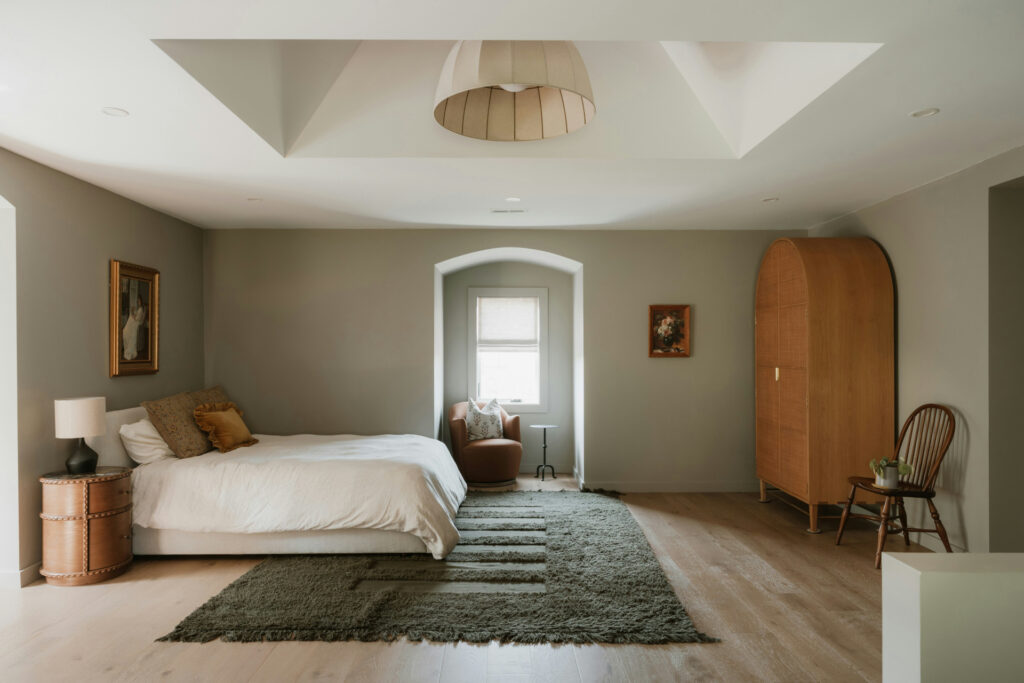
Find More Freedom with a “Less Is More” Mindset
The sense of freedom from intentional living is powerful. When you’re not constantly maintaining possessions, you have more energy for experiences. Your home becomes a launching pad for life rather than a storage unit. You start asking, “Do I love this enough to give it space in my home?” That intentionality creates autonomy that extends beyond interior design.
Create a Home That Feels as Good as It Looks
Warm minimalism interior design allows you to create a personal sanctuary that’s both beautiful and functional. By combining the clarity of minimalism with natural textures, earthy colors and meaningful touches, you can design a modern home that truly reflects who you are.


Share this article