


Revivalist is a reader-supported endeavor and our posts may contain affiliate links. When you buy through links on our site, we may earn an affiliate commission.
There is a new wave moving through home design, and it feels less like a trend and more like a homecoming. Modern folklore is showing up in living rooms, kitchens and bedrooms across the country, and it pulls something forward that polished, mass-produced interiors never could. If your home has ever felt a little too perfect and a little too impersonal, this is your invitation to loosen up, get sentimental and let your space actually look like you live in it.
What Modern Folklore Actually Means
Modern folklore borrows the warmth of heritage design and updates it for how women actually live today. Think painted furniture, woven baskets, gingham, hand-thrown pottery and textiles with a bit of history behind them. The goal is not to recreate a farmhouse from a century ago. It is to build a home that feels collected over time rather than ordered from a single catalog.
You do not have to take our word for it that this style has staying power. Apartment Therapy named Modern Folklore to its 2026 New/Next List, pointing to a wave of Americana-inspired, handcrafted motifs replacing the mass-produced look that has dominated home design for years.
Major trade fairs back that same shift. Maison&Objet built an entire “Neo-Folklore” design direction around local rituals and narratives, reinterpreted with new materials for its 2026 edition. What separates modern folklore from a simple vintage look is intention. Every object should feel connected to a bigger story, whether that is a family heirloom, a piece picked up on a trip or a handmade find from a local maker.
Why Women Are Craving This Look Right Now
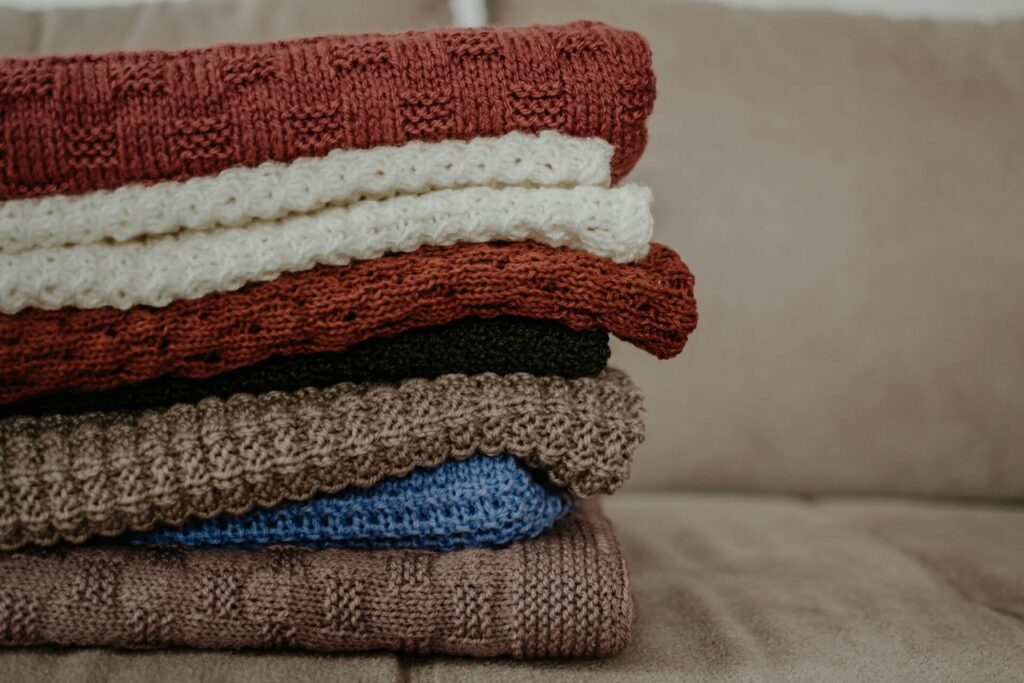
A lot of nostalgia trends come and go, but this one taps into something bigger than aesthetics. It is part of a much larger shift toward homes that feel grounded, personal and a little less algorithm-driven. After years of matchy-matchy minimalism and rental-friendly neutrals, people are craving rooms with texture, imperfection and a bit of soul.
There is a real emotional logic here. Life still feels fast, digital and disposable in a lot of ways, so it makes sense that our homes are pulling in the opposite direction with slow crafts, inherited objects and pieces that show the hand that made them. Interior designers keep returning to the same cohesion test. A modern folklore room should feel like it has a reason for every choice, not like a themed set built to photograph well and nothing more.
How to Bring Modern Folklore Home
The best part of this trend is that it rewards patience over budget. You do not need a full renovation. You need an eye for pieces with a bit of history and the confidence to mix them.
- Start with texture, not color: Woven baskets, chunky knit throws, braided rugs and raw wood all bring instant warmth before you touch a paint swatch.
- Shop secondhand first: Estate sales, flea markets and consignment shops are the fastest route to pieces with real character, and they keep the look from feeling manufactured.
- Commit to one motif per room: A folk floral, a botanical print or a single symbolic pattern (deer, stars, wheat) repeated with restraint reads as intentional rather than themed.
- Mix eras on purpose: Pair a grandmother’s rocking chair with a contemporary lamp, or set a hand-painted plate against a sleek countertop, so the room feels layered instead of stuck in one decade.
- Let imperfection stay visible: Skip over-restoring vintage finds. Chipped edges and worn patina are part of the appeal, not a flaw to sand away.
- Bring in handmade lighting and ceramics: A hand-thrown vase or a woven pendant lamp does more storytelling work than an entire shelf of matching decor.
Bedrooms and living rooms tend to be the easiest starting points, since layered textiles and a single statement piece can transform a whole room without a big investment. Kitchens are catching up too, with painted cabinetry, open shelving for collected pottery and gingham linens replacing sleeker, more sterile looks.
How Modern Folklore Differs From Its Cozy Cousins
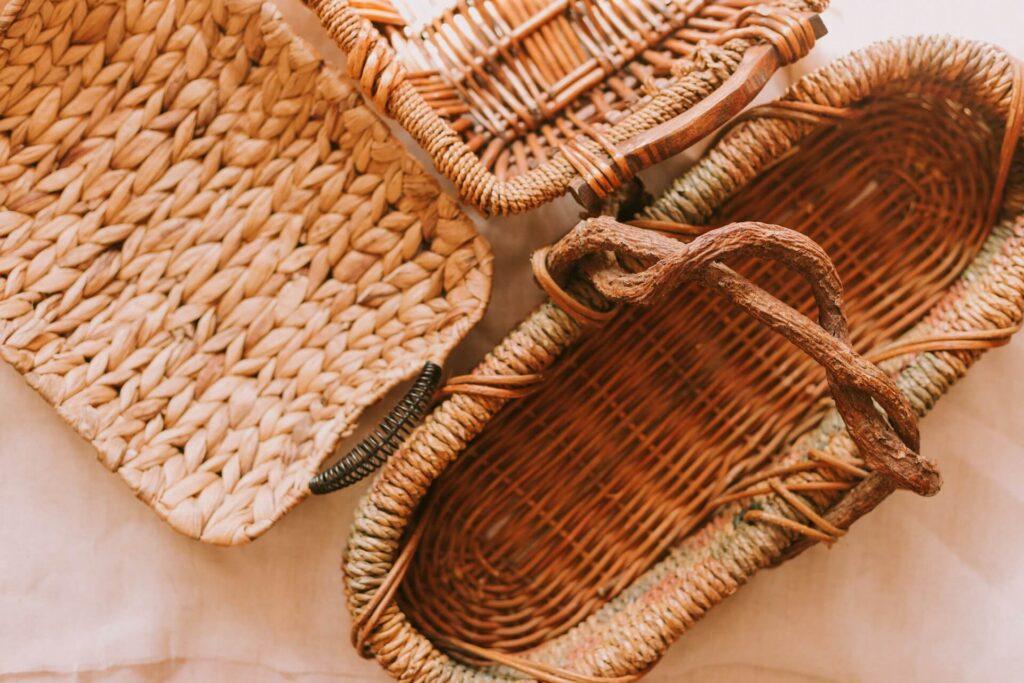
If this all sounds a little familiar, that is because modern folklore shares DNA with a few aesthetics that already had their moment. Cottagecore leans more literal, with an emphasis on rural fantasy and countryside imagery. Grandmillennial style focuses on traditional, layered patterns with a preppy edge. Modern folklore sits closer to the intersection of both, minus the costume-like feel that can creep into either one.
It also plays well with darker, moodier aesthetics for women who want warmth without sweetness. That overlap shows up in the whimsigoth aesthetic’s blend of gothic detail and folklore-inspired romance, pairing an appreciation for handmade and vintage pieces with a moodier, witchier edge. The two styles share enough DNA to borrow from one and deepen the other, whether that means a moody palette for your folk-inspired living room or softer, woven textures for a whimsigoth bedroom.
Building a Modern Folklore Home Slowly
The biggest mistake people make with any nostalgia-driven trend is trying to buy the whole look at once. Modern folklore is meant to build slowly. Start with one meaningful piece, whether that is a flea market find, a family heirloom or a handmade item from a small maker, and let the rest of the room grow around it.
A few practical starting points:
- Set a small budget for one secondhand shopping trip per month instead of one big haul.
- Keep a running list of the motifs, colors or objects that feel meaningful to you so new pieces stay connected rather than random.
- Photograph your space every few months to see how the story is building, and edit out anything that feels more trendy than true to you.
A Trend Built to Feel Bold and Personal
Modern folklore is less a design formula and more a permission slip. Bring in the pieces that mean something, let your home wear its history, and stop chasing a version of “put together” that erases your personality in the process. This is a trend built for anyone who wants a home that feels bold, adventurous and unmistakably theirs, one collected object at a time.


Share this article