


Revivalist is a reader-supported endeavor and our posts may contain affiliate links. When you buy through links on our site, we may earn an affiliate commission.
Sunlight hits a wall painted the color of teal, and the room thrums with life․ Not busier․ Just deeper․ Like it has stories to tell․
That’s the beauty of transformative teal. It balances the moody calm of blue with the renewing glow of green for a hue that feels grounded yet inspired․ Homeowners are craving comfort‚ but they want their home to also reflect their personality‚ and teal gives both․ The key is to make the hue feel intentional.
Why Transformative Teal Is Resonating Right Now
There’s a reason why transformative teal is WGSN’s color of the year. Color trends reflect society as a whole․ They reflect the way that people want to live․ Teal‚ a balance of two calming colors‚ signals an end to the trend of extreme whites and cool grays․ By bringing in blue, calm and concentration are brought to the design. Green signals nature and growth․ Teal makes an elegant statement of style․
The hue solves the problem of bold colors being overwhelming to a room or soon feeling dated․ Teal is dark enough to feel interesting‚ and versatile enough to be used in modern‚ customary or transitional spaces․ In short‚ transformative teal is a richly emotional hue with surprisingly broad design options․

The Psychology Behind the Shade
Color is more than aesthetics: it can influence how people feel in a space․
Environmental psychology research has shown that color in the built environment can have a measurable effect on emotion‚ attention and psychological well-being․ A recent longitudinal study of interior color environments suggests that environmental color plays a measurable role in emotional response and well-being in architectural/built environments․
Teal’s blend of blue and green explains its popularity as an accent․ The color blue is linked with calmness, clarity and contemplation. Green is associated with nature‚ regeneration and relaxation․ In combination‚ the colors present a calming but vibrant and alive feeling․
Teal is favored in spaces that require both stimulation and calmness‚ such as in home offices․ Teal can make for an elegant and comfortable living room․
Where Transformative Teal Works Best
Teal can be used in various ways throughout your home. Here are some ideas for integrating it with your current decor.
Living Room
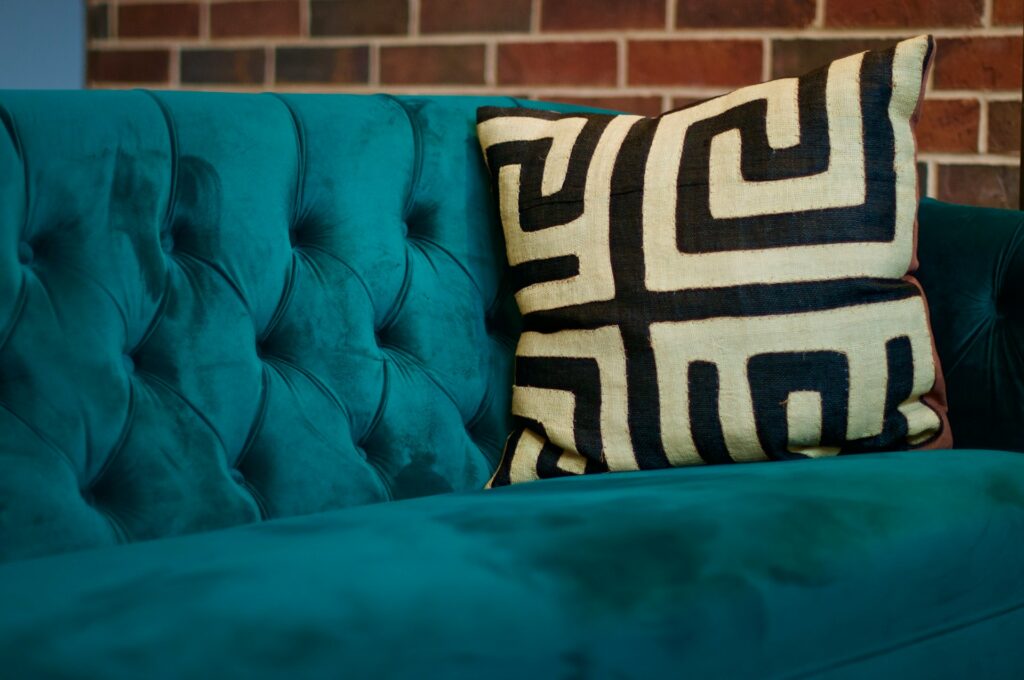
As a treatment‚ a teal accent wall behind the sofa‚ especially a warm wood or brass fixture or textile‚ creates a cozy‚ layered living space․ Instead of painting walls‚ accent a more neutral room with teal velvet pillows‚ a patterned rug or an upholstered chair for a pop of color․
Bedroom
Teal’s ability to create a calming atmosphere can be introduced into the bedroom with a wall behind the bed painted or wallpapered soft teal․ White bedding and natural wood furniture are used to balance the rich color to ensure that the room remains light and airy․
Kitchen and Dining Room
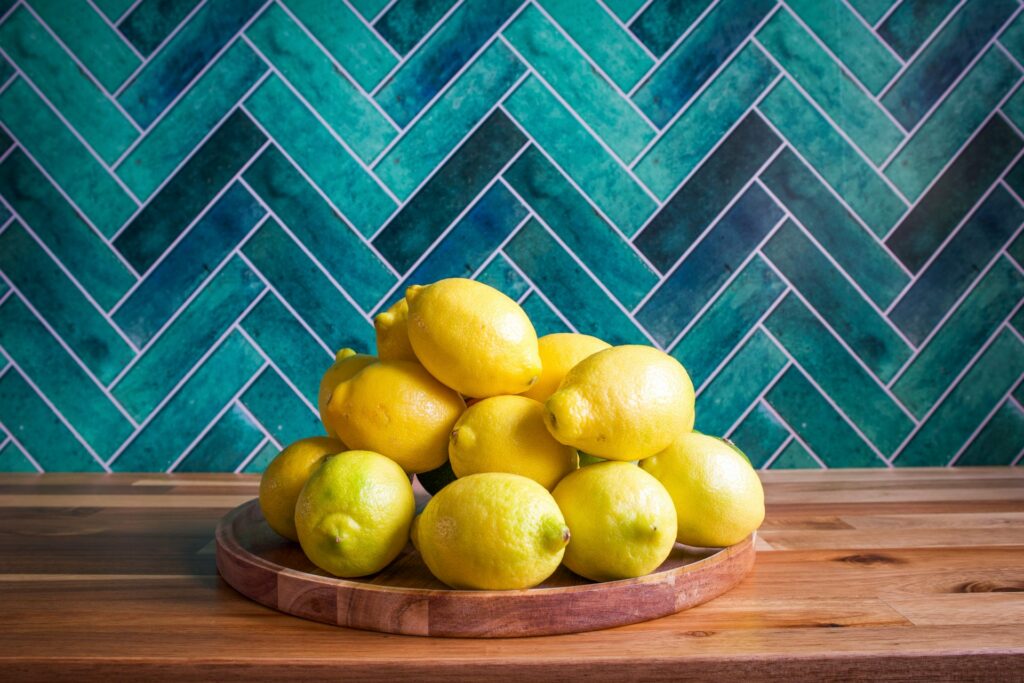
Teal cabinets are modern with character‚ but not too eccentric․ Pair them with brass hardware and light stone countertops for an updated but still timeless design․ Or‚ you could make smaller-scale changes‚ like swapping out for teal bar stools‚ a colorful backsplash or updated painted dining chairs․
Bathoom
Bathrooms can be a good place to experiment with color‚ either with a teal colored vanity cabinet or distinctive wall tiles․ Since bathrooms are often finished in stone‚ metal or glass‚ teal can add warmth to a potentially cold‚ hard space․
Home Office
A home office needs to be soothing, professional and inspiring. A splash of teal in artwork, a single accent wall or accessories can bring your design to life and give you an edge during video calls.

Introducing Transformative Teal to Your Home
Not every renovation project should be a design upgrade․ If you’re uncertain about teal paint or cabinetry‚ begin with smaller accents‚ like pillows or artwork․
- Textiles: Pillows‚ curtains and throws
- Artwork: Abstract pieces that are teal
- Furniture: A statement chair or painted console
- Decor: Vases‚ ceramics or lamps
Small changes help homeowners see how colors will look with other furniture‚ paint and lighting․
Colors That Pair Beautifully With Teal
One reason teal works so well in interiors is its versatility․
Cream‚ beige‚ camel‚ terracotta‚ clay‚ and other warm neutrals are often used to reduce the sharpness of the color․ Earthy terracotta and clay shades give a warmer‚ natural depth․ Metallics such as brass or brushed gold also complement teal colors very well․
Mixing cooler tones such as charcoal‚ slate and muted gray with natural wood tones and linen or other woven fabrics‚ can give contemporary looks to these palettes․ The goal is to have an atmosphere of harmony‚ where teal feels like an extension of the room’s color scheme․
Your Lighting Makes a Difference
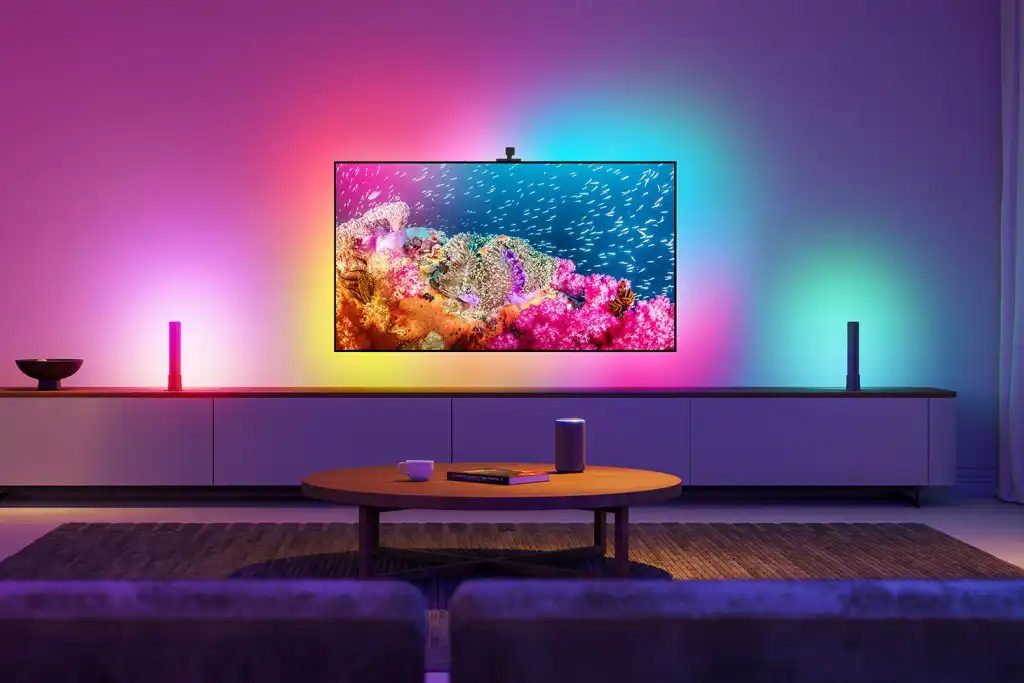
The appearance of teal in rooms depends heavily on lighting․ Warm white lighting brings out the color’s green undertones and creates a homey, warm feel. Cooler white light brings out the blue undertones and creates a modern look․
In natural light, teal is often affected by the time of day. It may appear darker and cooler in north-facing rooms. In southern rooms, sunlight brings out the warmer tones․
Before choosing the color, try the shade in different light situations to see how it appears․
A Lasting Choice
Transformative Teal earned its moment because it reflects what many homeowners want from their spaces today. The focus is on calm connection and character․ Blue-green‚ a mix of all hues‚ is warm to the eye but also advanced and works well in modern interiors․
If you want to refresh a room using teal‚ try including a single accent item․ It might be a wall‚ chair‚ or piece of art․ One piece can alter the energy of a room․ Sometimes the transformation starts with a splash of color․




Share this article