


Revivalist is a reader-supported endeavor and our posts may contain affiliate links. When you buy through links on our site, we may earn an affiliate commission.
The sun goes down, and for most people, that is when the day starts winding to a close. But once you start planning trips around what happens after dark, you may find the most memorable hour is not sunrise or high noon. It is the hour after the streetlights flicker on, when a city, coastline or desert reveals a completely different personality. This shift has a name, and it is reshaping how you can plan your next trip, whether you are headed to Tokyo or the Atacama Desert.
Discover Why Noctourism Is Winning Over Travelers Everywhere
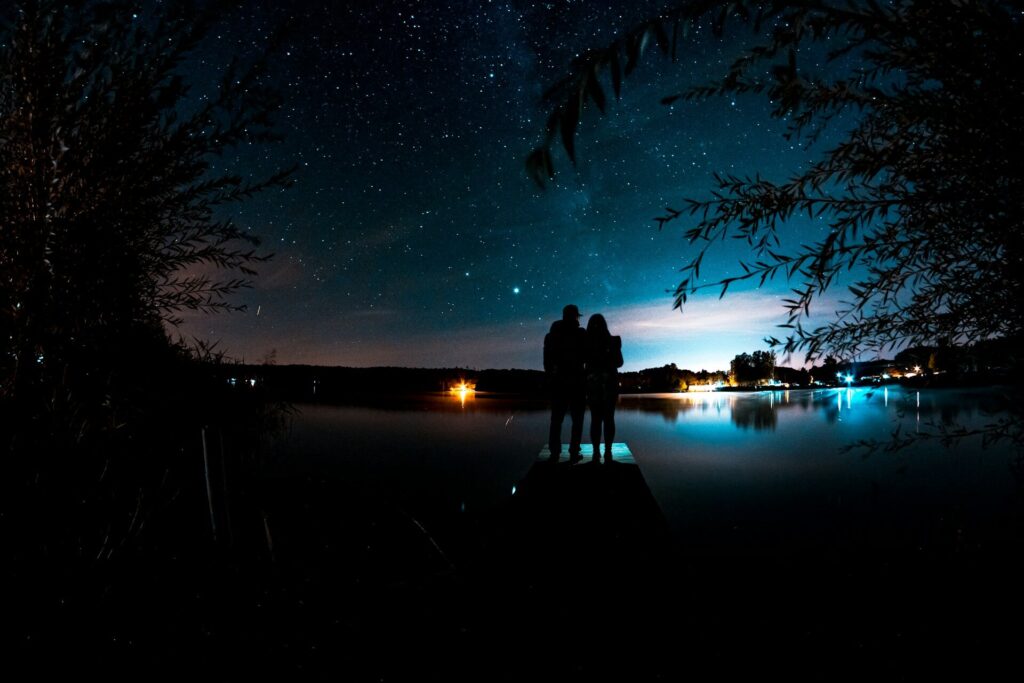
Noctourism, the practice of building a trip around after-dark experiences, has moved well past niche status. A recent Booking.com survey found that 62% of respondents across 33 countries were considering a trip built around nighttime experiences, from stargazing to after-dark city tours, and tour operator Wayfairer Travel reported nocturnal excursions climbed 25% in a single year. Overtourism and daytime heat are two of the biggest drivers, since the sites you love can feel unbearable at noon and nearly empty a few hours after dark.
For women especially, noctourism offers a reason to reclaim the night as a place for adventure rather than avoidance. A candlelit tour of an ancient ruin, a moonlit hike or a quiet stretch of beach glowing with bioluminescent plankton does not require an exotic bucket-list destination. It just requires timing your trip differently, wherever you happen to land.
Chase the Dark Sky, Wherever the Light Pollution Disappears
Stargazing sits at the heart of noctourism, and you do not need a telescope or an astronomy degree to enjoy it. Nonprofit DarkSky International has certified more than 270 places across 22 countries for their protected, light-pollution-free night skies, ranging from national parks to entire towns that have redesigned their outdoor lighting.
Before you book a stargazing trip, a few small planning choices make a big difference:
- Check the lunar calendar and aim for a new moon, when the sky is darkest and stars are most visible.
- Download a stargazing app that identifies constellations by pointing your phone at the sky.
- Pack a red-light flashlight, since red light preserves night vision better than white light.
- Give your eyes 20 to 30 minutes to adjust to the dark before expecting to see the Milky Way.
Not every trip allows for a detour to a certified dark-sky park, and that is fine. Even a short drive outside a city’s light dome on a clear night can reveal far more stars than you expect.
Find After-Dark Adventures Worth Building a Trip Around

Once the appeal of one clear night sky becomes obvious, it is easy to notice how many other experiences only exist after dark. These ideas travel well, meaning you can likely find a version of each one near wherever your next trip is already headed.
Wander Through Night Markets and Food Stalls
Night markets transform ordinary streets into some of the liveliest spots in a city, and they are where a lot of the best people-watching happens. Vendors selling street food, textiles and handmade goods set up as temperatures cool, creating an atmosphere that daytime shopping rarely matches. This is one of the simplest, lowest-effort ways to build noctourism into any city trip you take.
Catch a Landmark After the Crowds Leave
Museums, temples and historic sites that feel overrun by midday can feel entirely different once the crowds thin out. Special after-hours tours and moonlit visits let you experience these places at your own pace, often with dramatic lighting that daytime visitors never see.
Watch the Ocean Glow
Bioluminescent bays, where microscopic plankton emit a blue-green glow when disturbed by movement, are one of noctourism’s most photogenic offerings. A paddle through the right bay on a dark, moonless night can look like swimming through starlight, and it is an experience worth planning a coastal trip around.
Meet the Nocturnal Side of Wildlife
Guided night walks and wildlife drives take advantage of the fact that roughly 70% of mammal species are nocturnal, which means a huge portion of the animal kingdom is essentially invisible during a standard daytime safari or nature walk. Many outfitters use red-filtered spotlights that do not disturb wildlife, so you get a completely different experience than anything available in daylight.
Trying even one of these on a trip is enough to understand why noctourism has caught on so quickly, but comfort with being out after dark does not always come naturally, especially if you are traveling solo.
Step Into the Night With Confidence
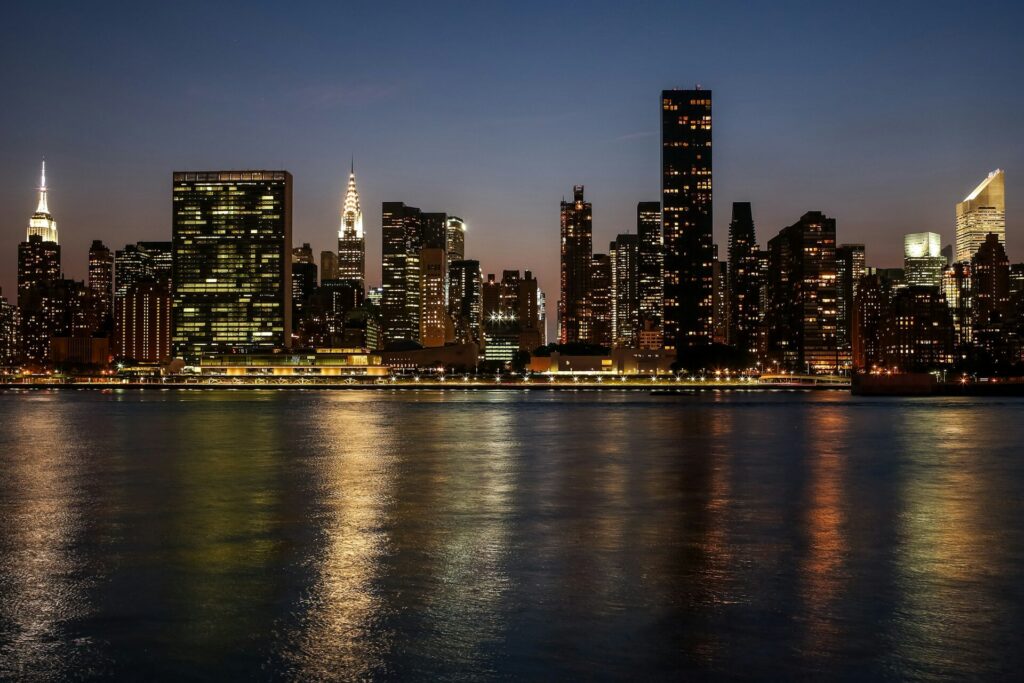
The idea of exploring after dark, of actually building a trip around noctourism, can feel intimidating before it feels exciting, and that hesitation is completely normal. It fades quickly with a little preparation and a few smart habits. By the end of her first day traveling solo, one writer found she trusted herself far more than she had at home, a shift that came from nothing more than a little planning and a willingness to step outside.
A few habits can make after-dark exploring feel far more manageable for you:
- Share your evening itinerary with a friend or family member before heading out, including where and when to expect a check-in.
- Choose well-lit, populated routes over shortcuts through quiet streets, even if the walk takes a few extra minutes.
- Keep a portable charger and offline maps handy, since a charged phone makes it easier to stay oriented after dark.
- Book a licensed taxi or rideshare for the trip home rather than relying on public transit late at night.
- Trust your instincts immediately. If a street, venue, or situation feels wrong, leaving is always a reasonable call, no explanation required.
None of these habits require sacrificing spontaneity. They simply create a safety net that can make it easier to say yes to a stargazing detour or a late-night market without a lingering sense of unease.
Let the Night Become Part of the Trip
Noctourism does not demand a special destination or a once-in-a-lifetime trip to experience. It asks you to look at your familiar itinerary and wonder what changes once the sun sets. A city skyline lit up after dark, a beach glowing blue underfoot or a sky suddenly crowded with stars are all available almost anywhere you go. The only real requirement is staying out a little later than usual and being ready for the adventure that shows up once the lights go down.


Share this article