


Revivalist is a reader-supported endeavor and our posts may contain affiliate links. When you buy through links on our site, we may earn an affiliate commission.
There is something wonderfully liberating about getting behind the wheel with nowhere to be except wherever you have decided to go. You choose the playlist, the roadside stops and the pace. A solo road trip gives you that kind of freedom. If you have ever wanted to take a road trip alone but worried about safety, you are not alone. With thoughtful preparation, smart driving habits and a willingness to trust yourself, you can make your next adventure both exciting and secure.
Plan Your Route Without Planning Away the Adventure

A little preparation can make a huge difference when you are traveling alone. Before you leave, map out your primary route and identify places where you can refuel, eat, rest and get help if necessary. You do not need to schedule every minute. In fact, leaving some room for spontaneity is part of what makes a solo road trip so much fun.
You simply want to know where you are headed and what your options are if plans change. For a solo road trip USA adventure, research the specific areas you will visit rather than relying entirely on your navigation app. The Centers for Disease Control and Prevention (CDC) recommends researching destinations before traveling and preparing for unexpected health and safety issues. You want to look at road conditions, weather forecasts, park closures and local advisories before starting your adventure.
Make Sure Someone Knows Where You Are
One of the simplest ways to make road trip alone travel feel safer is to create a communication routine. The U.S. Department of State encourages women travelers to make sure that at least one friend or trusted person knows about their plans and how to contact them. So, remember to give a reliable friend or family member your general itinerary, accommodation details and estimated arrival times.
You can also agree on a simple check-in schedule, such as sending a message when you arrive at your destination each evening. You do not need to broadcast your location publicly or share every detail of your trip online.
Give Your Car a Pre-Trip Checkup
Your confidence behind the wheel starts before you leave your driveway. A vehicle problem can become much more stressful when you are alone in an unfamiliar area, so take care of basic maintenance before your trip. Check your tires, fluids, lights, battery, windshield wipers and spare tire.
If your car is due for service, take care of it before departure rather than hoping everything will hold up. Tire maintenance deserves particular attention. The National Highway Traffic Safety Administration (NHTSA) reported that 511 people died in tire-related crashes in 2024 and recommends checking tire pressure when the tires are cold and inspecting them for cuts, punctures, cracks, bulges and other damage before a long road trip.
Choose Daylight Driving When You Can

There is nothing wrong with enjoying a sunset drive, but when you are traveling alone, daylight can give you a practical advantage. You can see road conditions more clearly, identify landmarks more easily and generally have better visibility when navigating unfamiliar areas.
If a route includes remote roads, limited services or difficult terrain, consider timing that portion of the journey during daylight. Remember to also wear your seat belt at all times, follow local traffic laws and avoid using your phone use while driving. If your route begins taking longer than expected, do not feel pressured to reach the original destination. Stopping somewhere safe and adjusting your plans is a smart travel decision, not a failure.
Take Fatigue Seriously
A long stretch of highway can feel peaceful until your concentration starts fading. When you are the only driver, you cannot switch seats with anyone else, which means recognizing fatigue early is essential. If you start yawning repeatedly, drifting mentally or struggling to remember the last few miles, find a safe place to stop.
NHTSA recorded 644 deaths from drowsy-driving-related crashes in 2024 and stresses that drowsy driving is preventable. Build breaks into your itinerary before you become exhausted. Stop for coffee, stretch your legs, eat a meal or simply take a short walk. If you are genuinely tired, get a hotel and continue the next morning. A flexible itinerary is one of your greatest advantages when you are traveling alone.
Keep Your Attention on the Road
Your phone can be your best travel companion when you use it correctly. Navigation apps can help you find fuel, lodging and alternate routes, but interacting with your phone while driving can quickly turn a useful tool into a serious distraction. Set your destination before pulling away and use hands-free navigation when available.
Distracted-driving crashes killed at least 3,208 people and injured 315,167 people in 2024. When you need to change directions, answer a message or check a restaurant, pull into a safe location first. Your solo road trip will still be there when you arrive.
Trust Your Instincts at Stops
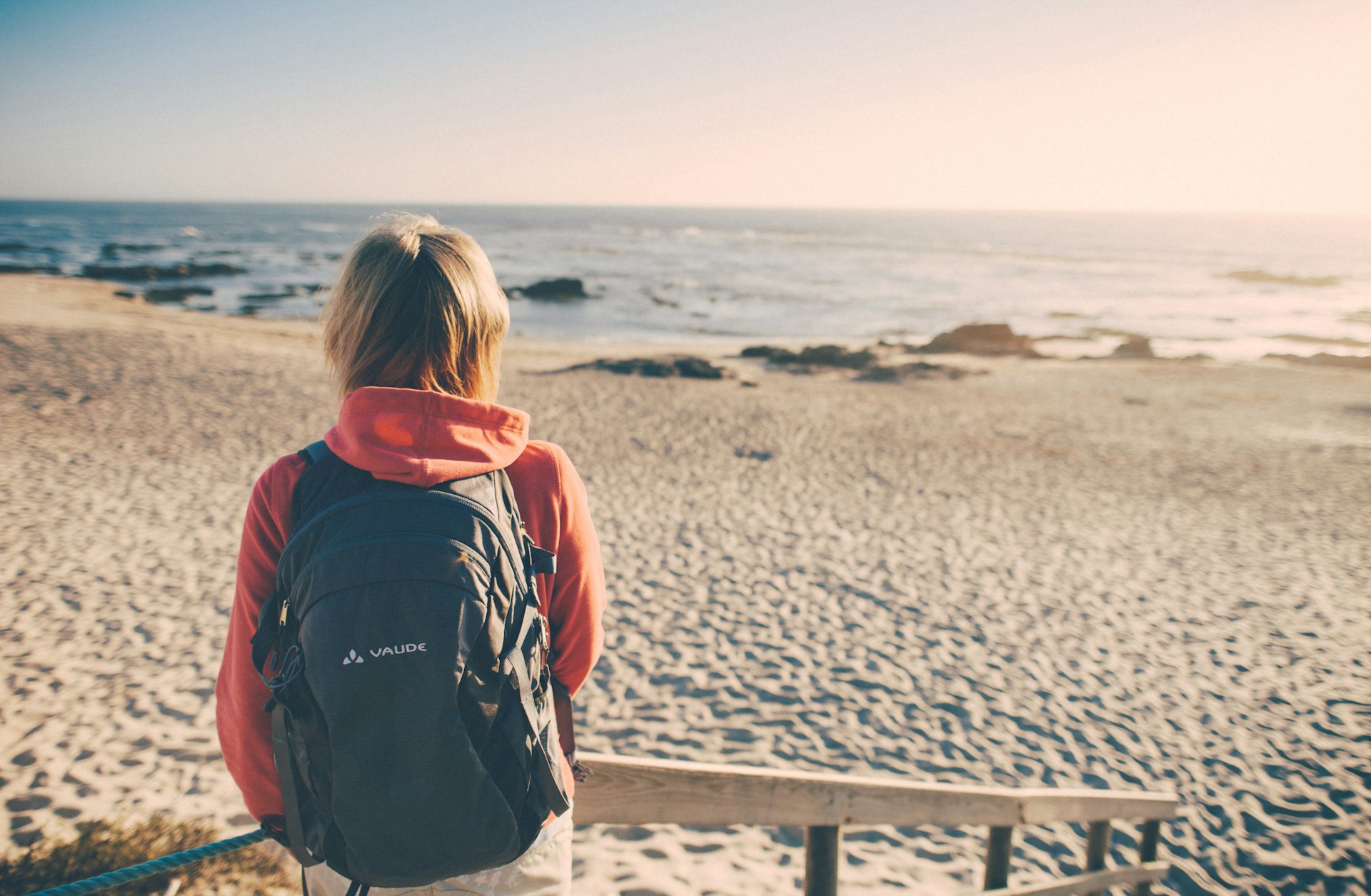
One of the most important skills you can develop during a solo road trip is recognizing when something does not feel right. Maybe a parking lot feels unusually empty, someone is making you uncomfortable or a roadside location looks different from what you expected. You do not owe anyone an explanation for leaving.
The Department of State advises women travelers to stay aware of their surroundings and use reputable transportation and services. Apply the same principle to roadside stops. Choose busy gas stations, restaurants and rest areas when possible. Park in well-lit areas and keep your keys accessible. If you feel uncomfortable, get back in your locked vehicle and drive to a busier location.
Pack for the Unexpected
You do not need to turn your car into an emergency bunker, but a few practical supplies can make unexpected situations much easier. Keep drinking water, snacks, a first-aid kit, a flashlight, basic vehicle supplies and a phone charger in your car. Bring any medications you regularly need and keep important documents accessible.
The CDC recommends preparing for unexpected travel and health problems and carrying emergency contact information. For longer or more remote solo road trip ideas, think beyond your destination and consider what you might need if you were delayed for several hours. A little extra food, water and warmth can give you valuable peace of mind.
Pick Accommodations That Help You Relax
Where you sleep may have a major effect on how comfortable you feel while traveling alone. When booking a hotel, motel or other accommodation, consider the location, reviews, parking situation and arrival time. If possible, choose somewhere you can reach before dark and where you feel comfortable entering and leaving the property on your own.
Once you arrive, keep your room information private and avoid announcing your travel plans to strangers. For safety, try not to tell strangers where you are staying. You can also keep your car free of obvious signs that you are traveling alone by avoiding unnecessary displays of luggage or valuables.
Let Yourself Enjoy Being Alone
Safety preparation should support your adventure, not overshadow it. One of the most rewarding parts of traveling alone is discovering that you can enjoy your own company. You decide where to eat, when to stop and what deserves your attention. That independence can feel surprisingly empowering.
If you are concerned that a road trip alone will feel lonely, remember that solitude and loneliness are not the same thing. Solo travel as an opportunity to become more self-sufficient while still finding connection with other travelers and locals. You can create that balance on the road by chatting with other people you encounter and looking for places like hostels, shared accommodations, coworking spaces and digital nomad meetups. Just make sure those spaces are safe beforehand.
Build Confidence One Decision at a Time
Solo traveling helps you discover that you can handle what comes next. Your best solo road trip ideas do not have to be dramatic. Start with a weekend drive to a nearby town, a scenic route through a national forest or a destination a few hours from home. Learn what makes you comfortable, build your skills and go farther when you are ready.


Share this article