


Revivalist is a reader-supported endeavor and our posts may contain affiliate links. When you buy through links on our site, we may earn an affiliate commission.
In a perfect world, small, medium, large and more sizes would be standard across clothing brands. Shopping online would be a breeze — you could simply add your size to your cart and receive your purchase worry-free of whether it would fit. Unfortunately, this isn’t a perfect world, and ordering without checking a size chart is a gamble. However, those charts don’t always specify where or how you should measure. Here’s how to measure clothing size at home with a tape measure and why sizing can differ.
Why It’s Important to Follow a Clothes Size Chart For Every Business
To the outside world, it would make sense that every clothing enterprise would follow standard measurements so an extra large in one would fit the same as another. However, according to fashion professionals The Guardian interviewed, designers choose a fit model based on the audience they’re trying to appeal to and preference, then scale clothes up and down. They may also size pieces based on what will make buyers happy, so that extra large from one company will more than likely differ from another’s.
Some also practice vanity sizing. In 2015, The Washington Post found that a current size 8 was the equivalent of a 1958 size 16. Plus, U.S. and UK products will typically be a size larger than those in Asia. All this means clothing sizes will shift by region, brand and year they were made. A psychotherapist The Guardian talked to expressed how this can mess with women’s self-image, noting that her own clothes ranged from a 2 to a 12.
You also need to account for your bust, waist and hips if you’re buying something more fitted. In an independent survey, 77% of people weren’t the same size across all three. That means if you rely on knowing you’re a size small in shirts to get pants, there’s a decent chance they won’t fit. It also found that clothing perfectly fits basically no one, so overall, it’s best to use a clothes size chart for each entity you buy from.
How to Measure Clothes With a Tape Measure
Once you know your measurements, you’ll be better able to find clothes that fit you and skip the hassle of returning online purchases. Here’s how to measure your waist, hips and bust at home with a tape measure.
How to Measure Bust
For your chest or bust measurement, take the tape measure and wrap it around the fullest part of your chest snugly but not comfortably so you can breathe. Ensure your arms are as relaxed as possible while holding it. It may be easiest to take this measurement in front of a mirror so you can ensure the tape measure is even with the floor so as not to skew the results.
How to Measure Waist
To measure your waist, you’ll wrap the tape measure around your middle above your hip bones but below your ribs, usually just above your belly button. Again, take this measurement snugly, but give yourself enough room to breathe and eat.
How to Measure Hips
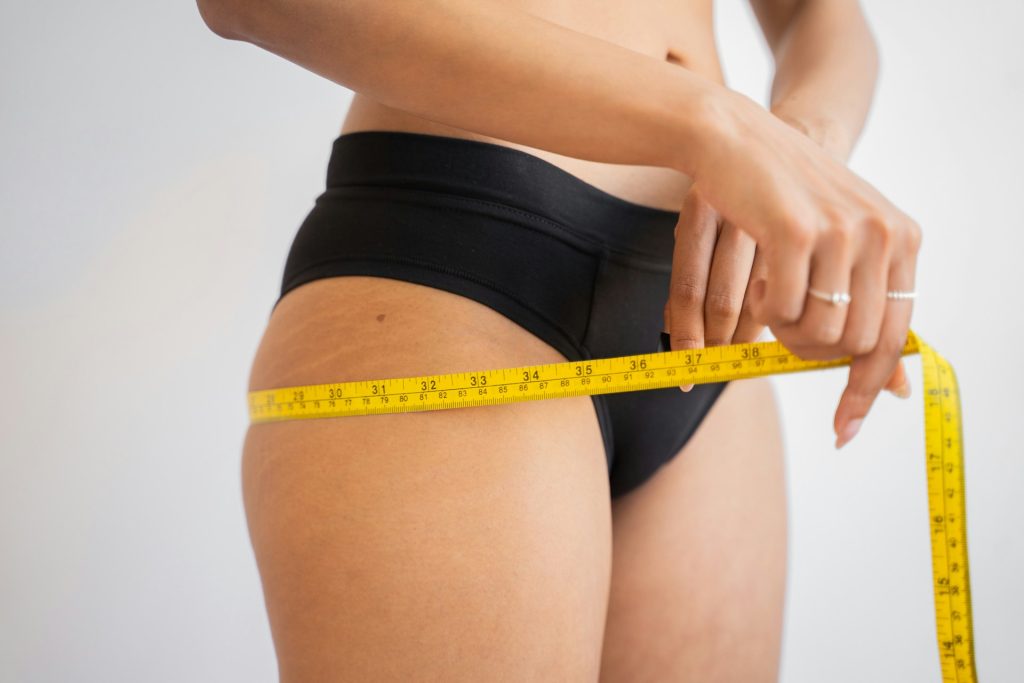
Hip measurements are typically the last ones to take. To do so, pull the tape measure around the fullest curves of your hips and buttocks. This recording is lower than most expect, so be sure you’re paying attention to distinguishing your waist and hips. It might also help to take this measurement in the mirror so you’re sure you’re getting the right area.
How to Measure for Pants
Measuring yourself for pants will likely require two people because you’ll need someone you know to take the size of your inseam. This is the length from the crotch seam to the bottom of your leg, which won’t be too long if you’re looking for shorts. However, another set of hands can help you get an accurate measurement if you need something ankle length.
How to Measure for a Jacket
In addition to chest, waist and hips, you’ll need a few measurements when finding the right jacket:
- Back length: From the base of your neck to the bottom of your buttocks
- Sleeve length: From the edge of your shoulder to your wrist
- Shoulder: From the edge of one shoulder to the other
What to Do When Your Measurements Don’t Fit the Offered Sizes
Now that you’ve figured out how you measure clothing size at home, you can feel better prepared to find what works best for you from a clothes size chart. But when you start perusing the online sales, you may find that the shirt you love is a perfect fit for your hips in one size, your chest in another and your hips in a third. The first thing to do is remember that this is incredibly common — over three-quarters of people aren’t the same size across all three of these measurements.
If you fall between sizes, you have a few options. It may be most comfortable to buy an option that accommodates your widest measurement and tailor it to your smaller areas. You could also go a size up for an oversized fit, as well as go down a size from your largest measurement for a tighter look.
Though Millennials may judge them for it, Gen Zers may find that useful when searching for micro mini skirts and oversized blazers. Some items might even recommend sizing up or down for the desired look.
Ultimately, it’s unlikely that a medium shirt will fit everyone who calls themselves a medium the same way. Bodies come in all shapes. While it would be nice if clothing companies could get closer to standardizing their sizes so people could get more consistency, perfect fits right off the rack will remain a dream for most.
Finding Clothes Is a Bit Easier When You Know How to Measure Clothing Size at Home
When you shop online, it’s vital to use the size chart each clothing item provides. Merely opting for the measurement you typically wear isn’t enough for a good fit. Learning how to measure clothing size at home is key to finding more satisfaction with your purchases.


Share this article