


Revivalist is a reader-supported endeavor and our posts may contain affiliate links. When you buy through links on our site, we may earn an affiliate commission.
A clean yard does more than impress the neighbors — it gives you a safer, healthier and more usable outdoor space. Whether you and your partner are tackling years of neglect — no blame, everyone’s been there — moving into a new home or simply reclaiming your weekends, knowing how to clean your yard correctly makes all the difference.
This step-by-step guide breaks down the process into manageable phases. Gather some cool tool tips, cleanup methods and sustainable practices to keep your yard looking good every season.
1. Know Where to Start When Your Yard Is a Mess
The first step is always assessment. Walk your property and take stock:
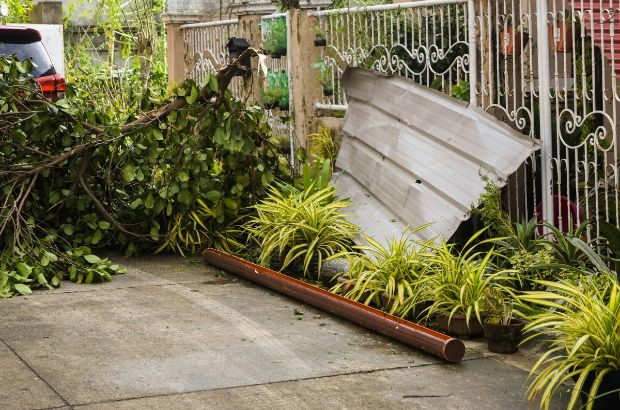
- What areas need immediate attention — fallen branches, junk piles or patchy lawn?
- Is overgrowth blocking sunlight or walkways, causing seasonal depression for you and your family?
- Are there signs of pests, standing water or poor drainage?
Once you’ve mapped the mess, start thinking ahead. Do you want a minimalist, low-upkeep yard? A flower-filled landscape? A veggie garden or patio space? Set a realistic goal based on time, budget and your outdoor lifestyle. You’ll use this vision to guide every cleanup decision.
2. Invest in Tools and Equipment You’ll Actually Use
You don’t need to clear out your nearest Home Depot for tools. Having the right ones for your yard will do the job and make it effective and fun, and keeping record of tips and tricks can really make it a rewarding experience instead of a chore. Your phone can help you identify plants and their appropriate care when you load a plant identification app. Most homeowners will need these basics for a strong start.
| Cleanup Basics | Work gloves: A must for safety and grip Trash bags and yard waste bins: Bag debris, weeds or broken items Rake or leaf blower: Clear fallen leaves and lawn clippings like a pro Pruning shears: Cut back overgrowth Shovel, fork and spade: Dig, edge or uproot stubborn weeds Wheelbarrow: Haul stone, sand or wood |
| Lawn Care Essentials | Lawnmower: Sharpen or replace the blade and adjust to the correct height to avoid stripping roots String trimmer: Edge professionally around fixtures and cut back in tight spots Edger: An optional choice for yards with many walkways |
| Safety Gear | Closed-toe shoes or boots Protective glasses or a face shield Ear protection |
Remember, you can always rent larger single-use gear from rental stores at some of your local hardware retailers. A chainsaw will make quick work of that old tree in the corner, but you’re unlikely to use it again if you don’t plan on removing more trees, so renting one is worth it. Always check whether a tool or machine is safe to use without training, or get professionals if it’s too hazardous to DIY.
Alternatively, connect with your neighbors about equipment sharing. If five neighbors share a lawnmower and cut emissions by 80% for a more sustainable future.

3. Clear Debris First
A blank canvas is the best place to create a sustainable outdoor space, so remove debris before you get to basic maintenance.
Start With the Biggest Stuff
Rent a skip or dumpster for large items like fallen branches, broken planters, yard furniture or anything left behind by the previous owner. Separate trash from salvageable items. Advertise on community groups like Facebook, which has over 100 million U.S. users who eagerly collect free stuff listed on the local marketplaces.
Note your local municipal laws on disposing of gardening waste. Some have laws against adding yard clippings to your curbside waste collection, as organic yard waste can quickly shorten landfill lifespans. Instead, reach out to local organizations that mulch trees, branches and clippings or compost these for community gardens.
Rake Loose Debris
Pile dry leaves, small sticks and dead grass. If you compost, this is a nice set-aside to add to the heap. Otherwise, bag it up and dispose of it according to your local municipal waste guidelines.
Pull or Dig up Weeds
Focus on root removal to avoid regrowth. Use a weed-pulling tool or shovel to loosen the base, and try to work when the soil is damp for easier extraction.
4. Trim, Mow and Tidy
Once the debris is gone, your yard’s shape should start emerging. Now’s the time to refine it.
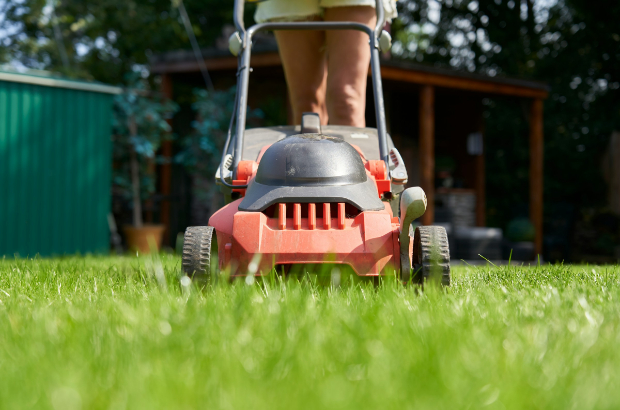
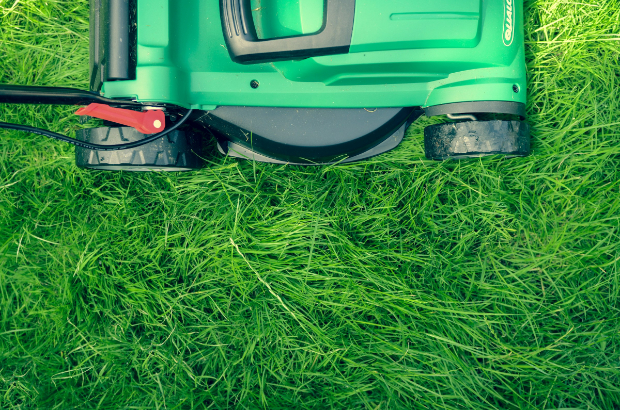
Mow the lawn, but set your mower blade to 2.5 inches to 3 inches, depending on the type of lawn grass you’ve got, to promote healthy root growth. If the lawn is long and damp, bag the clippings. For minor cuttings, rake them into the yard for some excellent fertilizer.
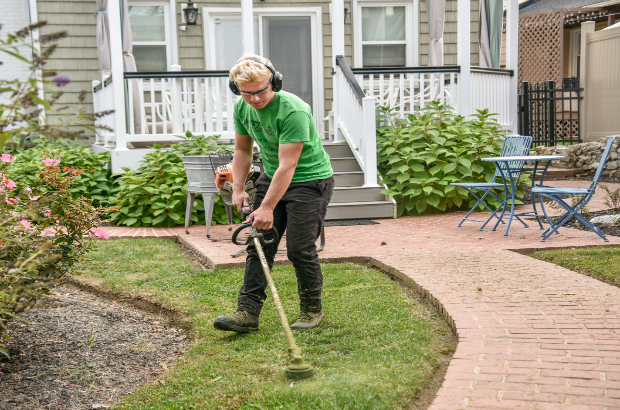
Edge your paths and driveway using a trimmer or edging tool to clean up the boundary lines between grass and hardscaping. It’s a small detail that makes a big difference.
Prune trees and shrubs when the season allows. Trim dead or broken branches, shape bushes, and thin out dense areas to let in light. Avoid pruning more than one-third of any plant at a time.
Mulch where needed. Once trimmed, top off garden beds with 2–3 inches of mulch to retain moisture and prevent weeds. Mulch can reduce evaporation by 28%-58.8%, helping to conserve soil moisture. Choose organic mulches like bark or straw for eco-friendly coverage.
5. Build a Functional Yard
Now that the worst cleanup is done, think about how to make the space work for you. You don’t need a full landscape redesign — just a few simple features can turn your yard into an extension of your home.
Ideas to consider:
- A gravel path or stepping stones to guide movement
- A patio corner with a small seating area
- Raised beds for herbs or seasonal vegetables
- Native wildflowers to attract pollinators
- Solar lights or lanterns for evening ambience
6. Follow Maintenance Routines for Each Season
A one-time cleanup is great, but real curb appeal comes from consistency. Set up a low-maintenance plan that matches your climate and yard needs.
| Spring | Rake leaves, dethatch the lawn Top dress or fertilize the lawn, focusing on root growth fertilizers Prune dead winter growth Start seeding or planting Remove winterizing covers from sensitive plants and store for next year Remove early weeds to prevent sudden growth Second fertilizer session with a leaf-growth fertilizer Water the lawn and plants weekly once the thaw sets in |
| Summer | Mow weekly or biweekly and do edgings Water in the early morning when needed Watch for pests, fungus and weeds Collect and dispose of fruits that fall |
| Fall | Remove fallen leaves and top dress garden beds to protect against frost Cut back perennials Fertilize with root-enhancing treatment and aerate if needed Wrap all temperature-sensitive plants in protective covers or sheets Last fertilizer with mulching to protect roots |
| Winter | Clear snow and ice from paths, gutters and roof valleys Inspect trees for storm damage Plan next year’s garden or changes |
7. Think Long-Term for Sustainable Yard Care
A healthy yard doesn’t need to be high-maintenance — or high-waste. Add simple practices to reduce environmental impact, such as composting organic waste. Yard debris like leaves, grass and non-seeding weeds can all go into a backyard compost pile. This turns waste into nutrient-rich soil.
Switch to organic fertilizer or compost, which reduces CO2 in the air and breaks down more slowly, supporting microbial life and reducing runoff pollution. Conserve water by watering early or late in the day, installing a rain barrel and grouping plants by moisture needs. Drought-resistant plants or xeriscaping can dramatically cut your water use.
Add bird feeders, butterfly-friendly plants and bee-friendly flowers to attract wildlife. Avoid pesticides and consider pollinator gardens that support your local ecosystem.
More Questions
What’s the Best Way to Start Cleaning a Neglected Yard?
The best way to start is by walking the yard and identifying what needs to go — things like broken branches, trash, weeds or overgrown areas. Once you know what you’re dealing with, gather basic tools like gloves, a rake and yard bags. When figuring out how to clean your yard efficiently, start with the biggest messes first, then work your way down to fine-tuning and landscaping.
How Often Should I Clean My Yard?
Yard cleanup should happen seasonally, but light maintenance once or twice a month can keep things manageable. This includes mowing, trimming, raking leaves and pulling weeds. Sticking to a monthly routine is the key if you’re wondering how to clean your yard without letting it become overwhelming.
Can I Clean My Yard Without Professional Help?
Yes, most homeowners can clean their yards without hiring a landscaper, especially if they’re dealing with debris, overgrowth or basic lawn care. Learning how to clean your yard can save you money and give you more control over the results. However, for large-scale issues like tree removal or drainage problems, you’ll benefit by calling a pro.
Enjoy the Results
You don’t have to tackle everything in one weekend. Yard cleanup can be a slow-and-steady effort, or a satisfying one-and-done, depending on your goals and energy levels. But whether you’re prepping for summer BBQs or just want to stop avoiding your back door, one thing is clear — a clean yard changes how you feel about your home.
Your outdoor space is part of your property — own it, enjoy it and build something that fits your life.






Share this article