


Revivalist is a reader-supported endeavor and our posts may contain affiliate links. When you buy through links on our site, we may earn an affiliate commission.
Fashion should move with you, support you and celebrate who you are. Yet for many women living with mobility challenges, chronic illness, sensory sensitivities or age-related changes, getting dressed can feel like an obstacle course instead of an act of self-expression. That is where adaptive clothing for women changes the story. Designed with accessibility, comfort and independence in mind, adaptive fashion empowers women to dress confidently while maintaining their personal style.
What Is Adaptive Clothing?
Adaptive clothing refers to pieces designed to make dressing easier for people with disabilities, chronic conditions or age-related limitations. These clothes often include features such as:
- Magnetic closures instead of buttons
- Side-opening pants
- Adjustable waistbands
- Velcro fasteners
- Seated-wear designs for wheelchair users
- Sensory-friendly fabrics and tag-free labels
- Open-back garments for assisted dressing
Unlike traditional apparel, adaptive clothing focuses on function and independence while still reflecting current fashion trends. The Centers for Disease Control and Prevention reports that approximately 35 million women in the United States live with a disability, making accessibility in everyday products increasingly important.
Why Adaptive Clothing Matters
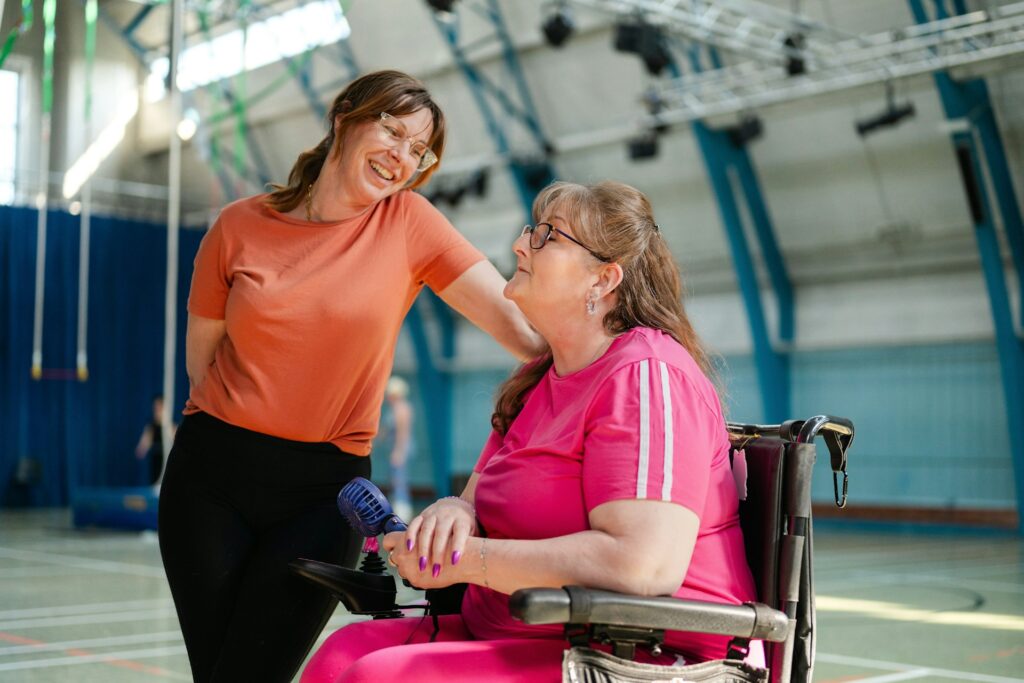
Clothing is about far more than fabric. It influences confidence, autonomy and quality of life. Research and advocacy groups consistently emphasize that accessible clothing can improve independence and reduce reliance on caregivers for daily dressing tasks.
For women experiencing arthritis, Parkinson’s disease, multiple sclerosis, stroke recovery or mobility impairments, adaptive garments can transform everyday routines. Adaptive fashion also supports emotional well-being. Being able to choose outfits independently strengthens self-esteem and reinforces personal identity. The National Institute on Aging recommends clothing with large zipper pulls, elastic waistbands and easy fasteners to help older adults maintain independence for as long as possible.
A Real-World Example: How Adaptive Clothing Supports Independence
Consider a woman recovering from a stroke who experiences weakness on one side of her body. Traditional clothing with back zippers, fitted sleeves and small buttons may require daily assistance. By switching to adaptive tops with magnetic closures and side-opening pants, many women regain the ability to dress independently.
Occupational therapists may often recommend adaptive dressing strategies because maintaining independence in activities of daily living contributes to improved emotional health and rehabilitation outcomes.
Key Features to Look for in Adaptive Clothing for Women
Not every adaptive garment addresses the same needs. Start by identifying the specific challenges you want clothing to solve.
Magnetic Closures
Buttons can be frustrating for women with limited dexterity, arthritis or tremors. Magnetic closures allow shirts, jackets and dresses to fasten effortlessly while preserving a polished appearance.
Elastic and Adjustable Waistbands
Stretch waistbands simplify dressing and improve comfort throughout the day. They are especially helpful for:
- Women with abdominal sensitivity
- Wheelchair users
- Women recovering from surgery
- Seniors experiencing changes in body shape
Open-Back Designs
Open-back tops and dresses provide easier dressing assistance from caregivers while maintaining dignity and style. These designs are especially common in adaptive clothes for senior women and assisted living settings.
Seated-Wear Construction
Women who spend significant time seated often benefit from garments designed specifically for wheelchair use. Features may include:
- Higher back rises
- Lower front rises
- Reduced fabric bunching
- Strategic seam placement to minimize pressure points
Sensory-Friendly Elements
Women with autism, chronic pain conditions or sensory sensitivities often prefer clothing without scratchy tags, thick seams, stiff fabrics, soft materials and seamless construction can significantly improve comfort.
Adaptive Clothing for Different Life Stages
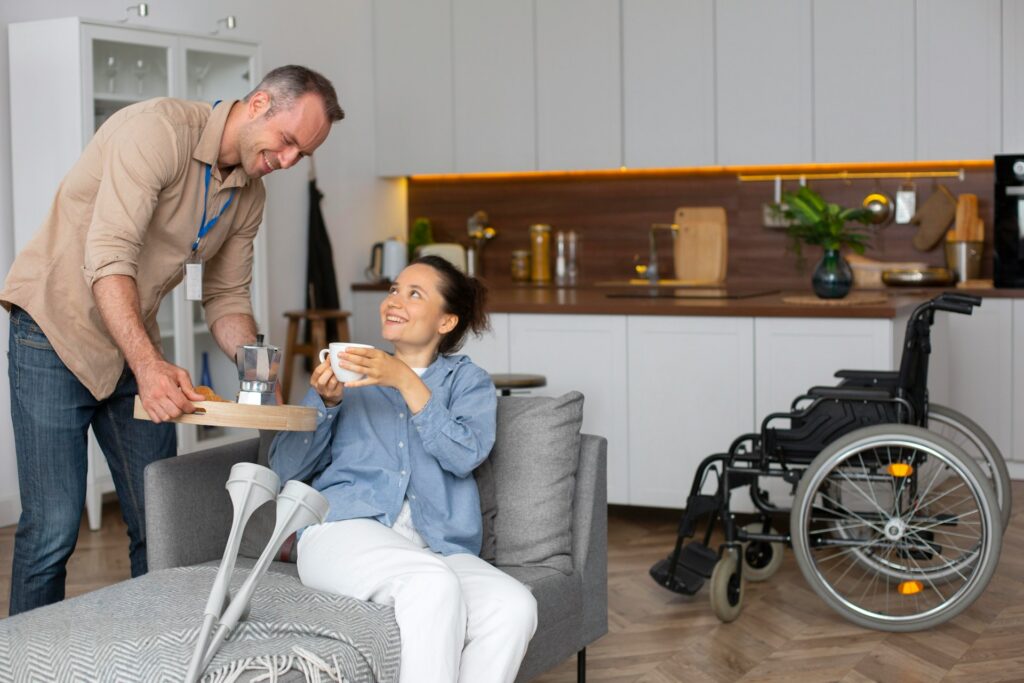
You can find adaptive clothing for every stage of your life and depending on how active you are.
Adaptive Clothes for Senior Women
Aging often brings changes in flexibility, strength and balance. Many adaptive clothes for senior women prioritize safety alongside comfort. Popular features include:
- Nonslip footwear
- Front-closing bras
- Easy-access outerwear
- Open-back dresses
- Elastic-waist pants
The National Institute on Aging encourages selecting loose-fitting garments with easy fasteners and simple layering systems to support independent dressing. Source: https://www.nia.nih.gov/health/alzheimers-caregiving/alzheimers-caregiving-bathing-dressing-and-grooming
Adult Disability Clothing for Active Women
Modern adult disability clothing has expanded far beyond institutional styles. Today’s women seek adaptive apparel for:
- Professional settings
- Travel Exercise
- Formal occasions
- Outdoor adventures
The best idea is to curate your wardrobes around comfort, versatility and personal expression rather than temporary trends. Investing in timeless pieces like basic shirts and comfortable shoes is key to having some pieces you can easily mix and match.
The Adaptive Fashion Industry Is Growing
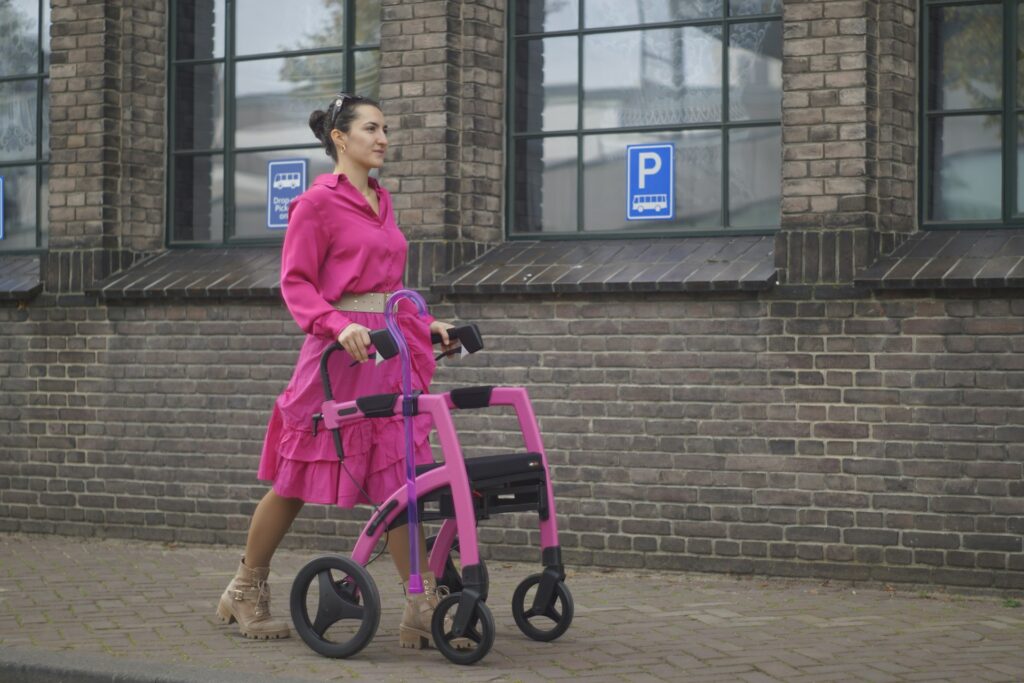
Adaptive fashion is no longer a niche category. Industry analysts estimate the adaptive clothing market continues to expand rapidly as brands recognize the purchasing power and unmet needs of consumers with disabilities.
The World Health Organization estimates that approximately 1.3 billion people worldwide experience significant disability, creating increased demand for inclusive design. Fashion runways are also becoming more inclusive. In recent years, major events such as London Fashion Week have featured some adaptive collections and models with disabilities, signaling broader cultural change toward representation and accessibility.
Five Practical Tips for Choosing Adaptive Clothing
Here are some tips on how you can choose the best adaptive clothing for you:
1. Start with your daily challenges: Ask yourself what part of dressing feels difficult and think of whether you dress independently or with assistance. The answers will guide your choices.
2. Prioritize comfort first: Fashion and comfort can coexist. Choose soft, breathable fabrics that allow unrestricted movement.
3. Look for adjustable features: Bodies change over time. Garments with adjustable waistbands, hems and closures provide flexibility and longer wear.
4. Think beyond medical needs: Adaptive clothing should reflect your personality. Choose colors, silhouettes and accessories that make you feel adventurous, elegant, bold or playful. Self-expression remains essential regardless of age or ability.
5. Involve caregivers when appropriate: If a family member or caregiver assists with dressing, ask for feedback on which features improve efficiency and comfort. Collaborative decisions often lead to better outcomes.
The Future of Adaptive Clothing for Women
The future looks bright. Advocates continue pushing for inclusive design, greater representation and broader retail availability. Technology, consumer demand and disability activism are driving innovation across the fashion industry. Most importantly, adaptive fashion is redefining what accessibility means. It proves that clothing can care for your body while celebrating your individuality. Every woman deserves a wardrobe that supports her independence, reflects her style and empowers her to embrace life’s next adventure with confidence.





Share this article