


Revivalist is a reader-supported endeavor and our posts may contain affiliate links. When you buy through links on our site, we may earn an affiliate commission.
Today, fashion trends come and go so fast. You might save an item in your buy list only to realize it’s out of trend after a few months. The more you buy trends, the more you end up with multiple pieces of clothing in your wardrobe that do not match. The antidote to this is the anti-trend dressing.
This framework is sustainable and empowering for women of all ages and backgrounds. By choosing to work on your own unique style, you gain control over fleeting trends and poorly constructed clothes.
Understanding Anti-Trend Fashion

The fashion world has a long history of trends rising and falling. However, these trends were longer than today’s micro-trends. Try watching films and documentaries to understand how the industry has changed over time. For example, Gabrielle Chanel transformed women’s fashion by defying the prevailing aesthetic norms of the time. Other movements that arose in response to fashion include punk and grunge, which challenged mainstream norms.
Anti-trend fashion today involves adopting timeless styles that are uniquely you. Prioritize your own comfort and creative expression over societal expectations when choosing your clothing. You are responding to the fast turnaround of styles by choosing to slow down your consumption.
The Relevance of Anti-Trend Fashion Today

The current fashion landscape is rife with issues of overproduction, environmental damage and unethical labor processes. Many big-name industry players are prioritizing profit over producing high-quality products, resulting in clothes becoming unusable after a few washes. Consumers today have plenty of choices and are buying more than they did decades ago. However, since clothes are often trendy or of poor quality, they are worn fewer times. The all-too-familiar situation of having nothing to wear pushes people to buy even more new clothes, perpetuating the cycle.
Environmental degradation is one of the industry’s biggest problems. Millions of tonnes of clothes are extracted and precious resources such as water are consumed to keep up with the demand. Global transportation of these manufactured goods also produces a massive amount of greenhouse gases. Many of these clothes pile up as textile waste and do not biodegrade because they are synthetic, such as polyester.
Additionally, the garment industry is well-documented to provide exploitative wages to workers from developing countries. They are made to work long, grueling hours in unsafe conditions, resulting in workplace injuries. The most well-known example is the Rana Plaza collapse in Bangladesh in 2013. Additionally, clothes are treated with toxic chemicals and dyes that pollute water sources during washing.
Benefits of Anti-Trend Dressing
When you shift away from trends to your own personal style, you become more emotionally attuned to using fashion as a means of personal expression. Since you love all items in your wardrobe, everyday dressing is easier. Additionally, you take the time and energy to care for your items, ensuring they last.
Additionally, you can save money in order to purchase more high-quality and durable clothes. Since these items are worn more often, they have a lower cost per wear than cheap, unusable, or unusable garments. Additionally, timeless clothes can be easily paired with other classics. This prevents decision fatigue each morning.
Actionable Steps to Build an Anti-Trend Wardrobe
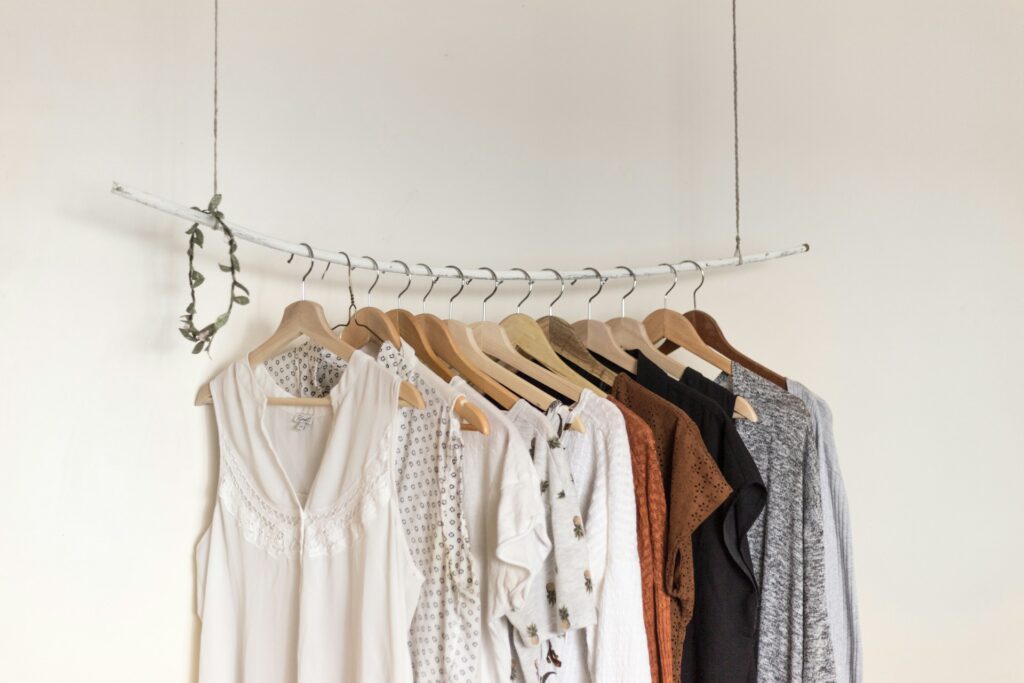
In response, many individuals are changing their shopping habits to make more sustainable and ethical choices. Here are some ways to create an anti-trend wardrobe.
1. Assess Your Current Wardrobe
The first thing you need to do is evaluate and categorize your current wardrobe. Utilize a scoring system to determine pieces that align with anti-trend fashion principles. Is the piece a wardrobe essential? How many times have you worn the item? If the item was damaged, would you repair it or throw it away? This information will give you an idea of your current shopping habits.
If your wardrobe is all trendy and unused, you might want to step away a bit from consumption. Notice the items that are most worn. They can help guide you on what types of clothes, textures, silhouettes and materials you gravitate toward.
2. Invest in Timeless Pieces
A curated wardrobe collection all depends on your personality. The staple items include:
- Classic white button-up
- Tailored trousers
- High-quality denim
- Basic shirts
- Comfortable shoes
- Little black dress
These are just items you can easily mix and match. However, just because they are classics doesn’t mean you should buy them. For example, if you are more into feminine silhouettes and dresses, it might be better to buy a flowy, maxi dress than denim pants. This ensures that all your items get worn often.
3. Incorporating Personal Style
You can jazz up your capsule wardrobe by injecting personal style. Remember, fashion is still about personal expression and having fun. Accessorize with jewelry, hats and other items to create a unique look. Embrace certain colors that are your signature style. You can also buy a statement piece that you know you’ll wear over and over.
When buying, make sure the items are built to last for years. There are plenty of brands that are committed to environmental responsibility and grassroots movements. However, some companies also greenwash their practices.
4. Embracing Second-Hand and Ethical Fashion
Thrifting for second-hand pieces has become huge, especially in younger generations. Others are also mending and making their own clothes. These methods are popular and viable alternatives to fast fashion. You can find truly timeless and unique pieces when hunting for second-hand pieces. Additionally, these clothes don’t generate more carbon emissions than typical for new garments. The key to thrifting is to inspect each item carefully to ensure it is durable.
Staying Ahead of Trends
Make sure you view anti-trend dressing not as another trend or a style choice, but a lifetime commitment to sustainability. In return, you can get well-made clothes that you love wearing over and over again. By saying no to trends, you also curate your wardrobe for pieces that fit your personality.


Share this article