



Revivalist is a reader-supported endeavor and our posts may contain affiliate links. When you buy through links on our site, we may earn an affiliate commission.
Outdoor weddings have a certain magic, whether you plan to exchange your vows beneath the trees, celebrate in a garden or dance under the stars. But Mother Nature loves a surprise, and your wedding day could come with a little rain, a gusty breeze or a very sunny afternoon. To keep your big day beautiful come rain or shine, here’s how to create a weather backup plan for outdoor weddings.
Check the Weather Risks for Your Wedding Location
Planning a wedding takes around 15 months on average, so thinking about the weather on your big day a year or more in advance gives you plenty of time to prepare for surprises. Before picking your date and venue, check the usual rainfall, temperatures, humidity and wind for your chosen season so you can start making a weather backup plan for your outdoor wedding.
Historical weather data can help you understand what your wedding month usually brings. NOAA uses 30-year averages called Climate Normals to describe typical conditions across different areas. You can use these records as your starting point for checking local temperatures and rainfall patterns. Be sure to also ask the venue coordinator about common weather challenges and how previous couples have handled them.
Choose an Indoor Covered Backup Venue

The average U.S. wedding costs roughly $34,000, so a last-minute change of plans can add stress to an already big investment. You can give yourself more control if the weather takes a turn by booking a suitable backup space. Look for an indoor room, covered pavilion or reception hall that can accommodate your guests and planned activities.
It’s a good idea to choose a venue with indoor and outdoor spaces so you can avoid the hassle of switching venues. If you need to use a separate location, consider the distance between venues, transportation arrangements and accessibility for guests with mobility needs.
Prepare a Rain Plan to Protect Your Guests
Rain on your wedding day is sometimes seen as a sign of good luck or fertility. That’s a lovely thought, but soggy shoes and muddy paths probably aren’t part of most people’s dream wedding aesthetic. Wet ground can make it tricky for guests to move between the ceremony, dining area and restroom. Your rain plan should account for these details alongside the main event space.
If you choose to use a tent, make sure it’s properly installed to provide shelter during light rain. Ask the rental company about sidewalls, drainage, flooring and the structure’s weather limits.
Once the rain passes and the conditions allow, you may be able to resume your outdoor ceremony. To prepare for these cases, place towels nearby to dry off chairs and check that walkways are safe before guests return. For heavy rain or storms, head to a sturdy indoor shelter and wait 30 minutes following the last thunder before heading outdoors.
Plan for Wind, Heat and Other Weather Conditions
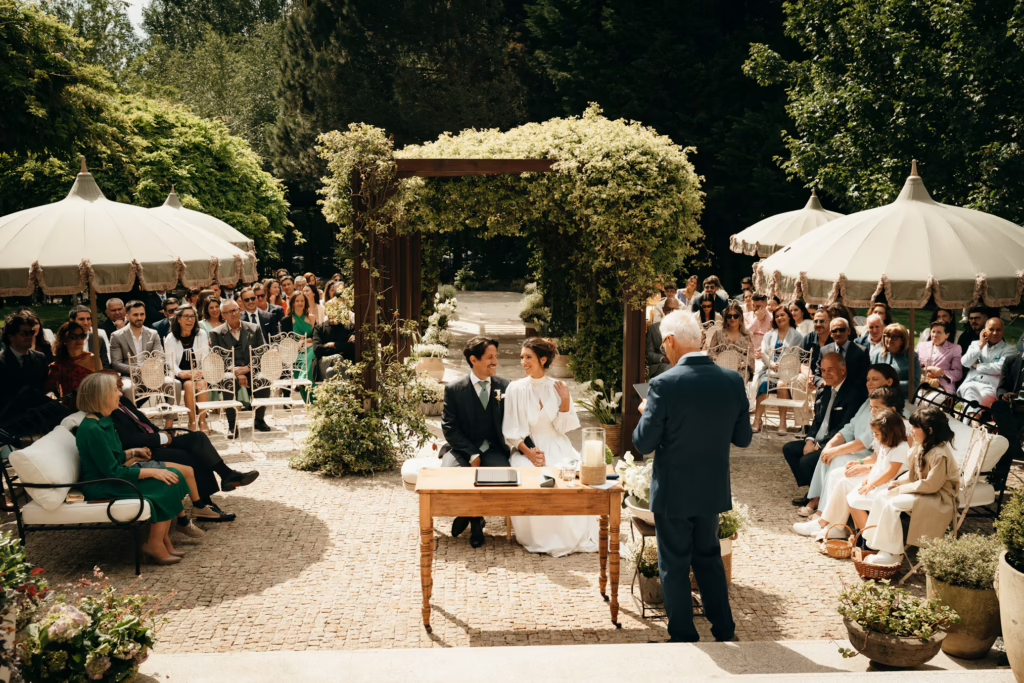
Rain tends to get the most attention when you’re planning an outdoor wedding, but the weather has a few other tricks up its sleeve. Having a weather backup plan for your outdoor wedding means accounting for the following conditions as well:
- Extreme heat: July and August temperatures can climb above 95° Fahrenheit in some locations. Hot weather can leave guests dehydrated and uncomfortable, and dry air may cause static electricity issues with sound equipment. Prepare shady seating, drinking water and fans.
- Strong winds: Spring and fall weather changes can bring gusts that send lightweight decorations flying or threaten tent stability. Secure your table settings, signs and other loose items.
- Cold weather: If you plan to tie the knot during shoulder seasons when temperatures can still drop significantly, prepare cozy blankets and venue-approved heaters. You may also need a warm indoor space so guests have somewhere to thaw out.
- Lightning and severe storms: Plan for an indoor shelter and clear routes to reach it when dangerous weather rolls in.
Set Weather Decision Deadlines
Nobody wants to spend the morning of their wedding refreshing the weather app every five minutes. Having a simple timeline can take some of that pressure off your shoulders. Check the forecast a week ahead, have another look 48 hours before the wedding and ask your coordinator to keep an eye on conditions that morning. You’ll have time to make arrangements if rain looks likely, with room to act sooner if dangerous weather develops.
It’s best to agree on who makes the final call so you don’t end up arguing or waiting until the last minute. For example, your coordinator can handle the logistics while you focus on getting ready.
Coordinate Vendors and Communicate With Guests
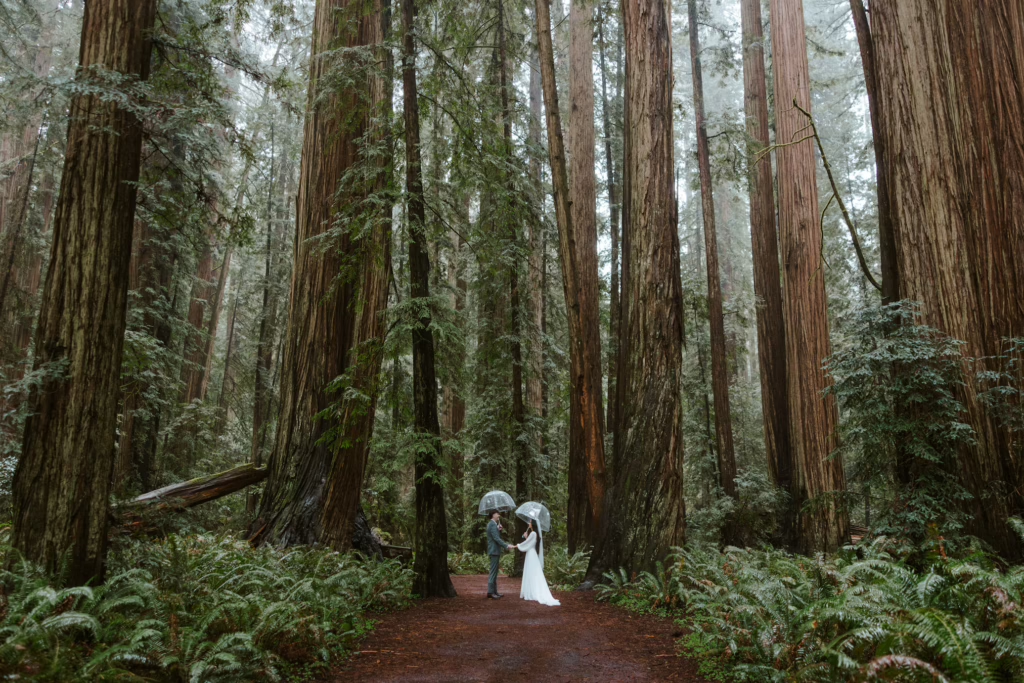
A weather backup plan for your outdoor wedding works best when everyone knows their part. Your photographer, caterer, florist, musicians and rental team will appreciate knowing what happens if the celebration moves indoors. Your photographer might even find a charming covered walkway for portraits if the rain takes a break.
Your guests will appreciate a heads-up, too. A quick update through your wedding website or a group message can save everyone some confusion. You could even ask your wedding party to help guide guests if plans change. That way, you can focus on your partner and soak up every moment of your big day.
Leave Room in Your Wedding Budget for Weather Changes
Wedding budgets have a funny way of growing, and about one in two couples felt their initial budget underestimated the actual cost of their wedding. A little extra money set aside for weather surprises can help you breathe easier if you need extra tent rental, flooring, heaters, transportation or staff.
Ask your vendors about possible extra fees before signing any contracts. Some changes come with deadlines or deposit rules, so knowing the details early can save you a headache later. Keep the essentials at the top of your list, especially safe shelter and guest comfort. Any money left over can go toward those lovely little touches that make the celebration feel truly yours.
For Better, for Worse, for Whatever the Weather
At the end of the day, the best wedding memories come from the people you share them with, the happy tears and the moments you wish you could bottle up forever. The weather might change your plans a little, but it doesn’t get to decide how special your celebration is.


Share this article