


Revivalist is a reader-supported endeavor and our posts may contain affiliate links. When you buy through links on our site, we may earn an affiliate commission.
Summer adventures deserve skin that keeps up. The right sunscreen ingredients protect you from UV damage while nourishing your skin barrier, so you can hike, swim and chase sunsets without worry. From mineral powerhouses like zinc oxide to skin-loving antioxidants, knowing what to look for in sunscreen turns a daily chore into a confident ritual. Here is a breakdown of the best sunscreen ingredients for healthy, protected skin.
What to Look for in Sunscreen
Every sunscreen splits into two broad categories, namely mineral and chemical. Mineral formulas sit on top of your skin and work mostly through absorption, though a small amount of light does bounce off the surface, too. Chemical formulas soak into the skin and convert UV rays into heat before releasing it.
Both approaches earn a place in a solid routine, but broad-spectrum coverage matters more than the category you pick. Broad-spectrum means a formula shields you from UVA rays, which age your skin and UVB rays, which burn it.
A broad-spectrum label is your best guide to full protection, even when the SPF number looks impressive on the bottle. A higher SPF number blocks slightly more UVB rays, but the jump from SPF30 to SPF50 is smaller than most people expect, so reapplication matters more than chasing the highest number on the shelf.
Skin cancer risk climbs when sun protection gets skipped too often. The CDC recorded 97,059 melanoma diagnoses in 2022, a reminder that sunscreen is a genuine health habit worth building into your morning, whether you’re headed to the office or the trailhead.
The Best Sunscreen Ingredients for UV Protection
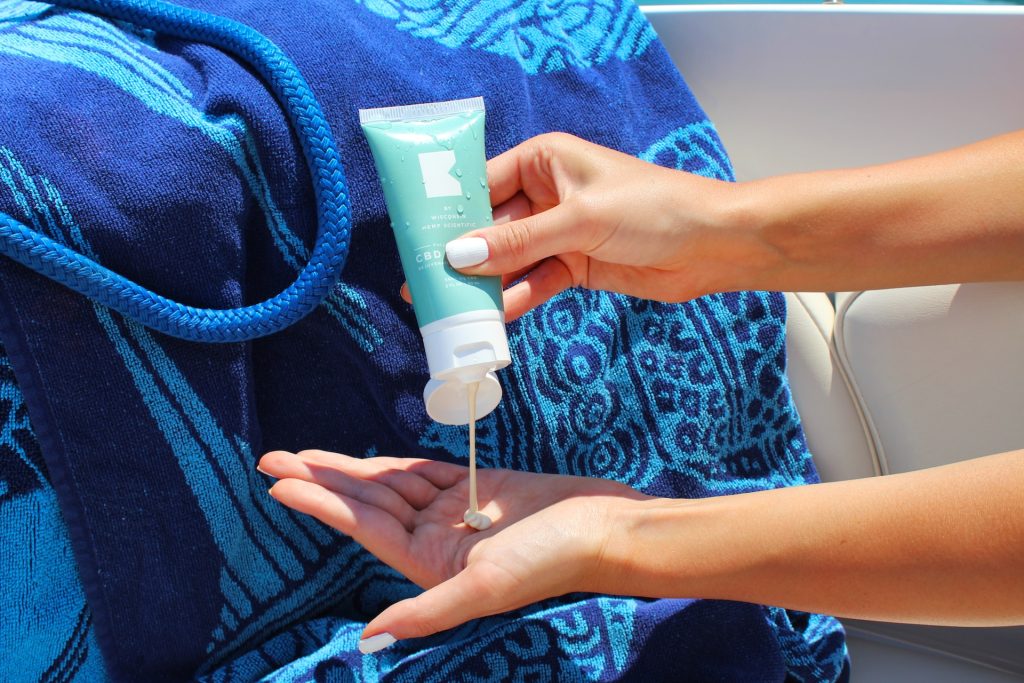
Once you understand the mineral-chemical divide, the real question becomes which specific actives to look for. These three show up most often on ingredient labels and each one earns its spot.
Zinc Oxide
Zinc oxide covers the widest UV range of any single mineral filter, handling both UVA and UVB rays in one ingredient. It sits well on sensitive and reactive skin, which makes it a favorite for anyone prone to redness or breakouts. You will usually find it at higher concentrations in reef-safe and baby-friendly formulas, since it has a gentler safety profile than most chemical alternatives.
A dermatologist treating a patient with rosacea will often recommend a zinc-based sunscreen first, precisely because it tends to sit calmly on already irritated skin rather than triggering more redness.
Titanium Dioxide
Titanium dioxide leans toward strong UVB defense, the kind that guards against sunburn specifically. Formulators often pair it with zinc oxide to round out UVA coverage, since the two minerals work well together. Recent materials research has found that fine grinding allows these mineral particles to absorb and scatter ultraviolet light more effectively, which helps explain why newer mineral formulas tend to blend so much more smoothly than older, thicker versions.
That research also points toward why your favorite tinted mineral sunscreen no longer leaves the ghostly white cast older formulas were known for.
Broad-Spectrum Chemical Filters
Chemical filters like avobenzone and octocrylene absorb UV radiation and convert it into small, harmless amounts of heat. They tend to blend into skin without a white cast, which is why so many tinted moisturizers and daily lotions rely on them.
Octocrylene also plays a supporting role by stabilizing avobenzone, since avobenzone alone breaks down fairly quickly under direct sunlight. Layer a chemical filter under makeup and you will barely notice it is there, unlike some heavier mineral formulas.
Sunscreen Main Ingredients That Boost Skin Health
Sunscreen goes beyond UV protection alone in today’s best formulas. The strongest options incorporate ingredients that support your skin barrier while shielding you from the sun. Niacinamide shows up often, and for good reason. Research published in the journal Antioxidants found that niacinamide reduces oxidative stress and inflammation in skin cells, working alongside your sunscreen’s active ingredients rather than competing with them.
Vitamin C and E often ride along too, both functioning as antioxidants that mop up free radicals your skin generates when UV rays hit it. Hyaluronic acid rounds things out by pulling moisture into the skin, which matters since some mineral and chemical filters can leave skin feeling tight after application.
A sunscreen built for dry climates, like one marketed for desert hiking trips, often leans harder on hyaluronic acid and glycerin to offset that tightness. Look for these add-ons on the ingredient list, especially if your skin tends to run dry or is sensitive.
How to Apply Sunscreen for Maximum Protection

Even the best formula underperforms when applied incorrectly. Most adults need about a shot glass’s worth of sunscreen to properly cover exposed skin, and most people apply far less than that. Reapply every two hours outdoors and sooner if you’re swimming or sweating heavily.
Picture a day at the lake — apply before you leave the house, set a phone timer for two hours once you arrive and reapply again after any swim, even if the bottle claims water resistance. Layer sunscreen as the last step in your morning routine, after serums and moisturizer, so it sits on top and does its job without interference.
This order matters more if your routine includes retinol or an AHA exfoliant, since both ingredients increase your skin’s sun sensitivity and make consistent SPF use nonnegotiable. Get in the habit of applying sunscreen to your ears, hairline and the back of your neck too. These spots get skipped constantly, yet they’re just as exposed as your cheeks and forehead on a sunny hike or a day at the beach.
Sunscreen Innovation Is Evolving
Sunscreen formulas keep changing as new research rolls in. Hawaii banned the sale of sunscreens containing oxybenzone and octinoxate back in 2021, a move aimed at protecting coral reefs from chemical runoff and several other coastal destinations have followed with similar reef-safe rules since.
That shift pushed more brands toward mineral formulas built around zinc oxide and titanium dioxide. On the ingredient side, the FDA approved bemotrizinol as the first new sunscreen ingredient in decades, opening the door to broader UV protection without the chalky texture associated with older mineral formulas.
Between reef-safe regulation and fresh ingredient approvals, the sunscreen aisle looks nothing like it did five years ago and it keeps getting better for both your skin and the destinations you travel to.
Glow-To Ingredients

Choosing the right sunscreen ingredients can feel simple. Look around for broad-spectrum coverage, lean into zinc oxide or titanium dioxide if your skin runs sensitive, and let skin-loving ingredients like niacinamide do double duty. Apply generously, reapply often and cover the spots you tend to forget. Healthy, protected skin comes down to consistency, not one perfect product, adventure after adventure.


Share this article