


Revivalist is a reader-supported endeavor and our posts may contain affiliate links. When you buy through links on our site, we may earn an affiliate commission.
Building a summer wardrobe can be tricky. Clothing that is totally fine in other seasons becomes clingy and downright uncomfortable in the summer. Synthetic fabrics like polyester and nylon are widespread due to fast fashion. However, they actually trap heat and work against the body’s cooling mechanisms.
The best solution for this dilemma is to choose clothes made from natural fibers. They provide comfort, breathability and effortless style. Discover what natural fibers are and how you can incorporate them into your wardrobe.
What Are Natural Fibers?
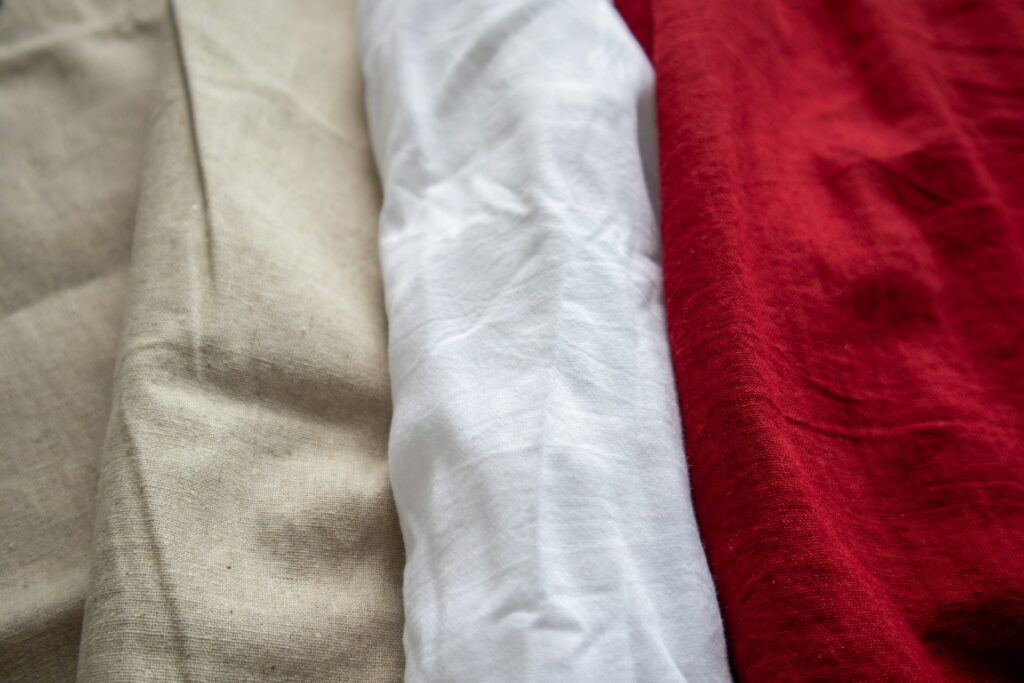
Natural fibers are fibers derived from sustainable raw materials, typically harvested from plants and animals, such as cotton and silk. They are breathable and biodegradable and are perfect for different occasions, whether that’s work clothes or casual outfits.
1. The Science of Breathability
Synthetic fibers have a flat, plastic-like structure. On the other hand, natural fibers have hollow structures that allow air to pass through freely. The natural ventilation prevents heat from being trapped next to your skin. Additionally, natural fibers are hydrophilic and absorb moisture. Perspiration can be pulled away from the skin, allowing it to evaporate quickly and creating a cooling effect.
2. Hypoallergenic and Gentle
Synthetic fibers are usually petroleum-based polymers. During production, they are treated with a ton of chemicals to achieve the wrinkle-resistance, flame-retardancy and other qualities desired by consumers. However, when exposed to heat and sweat, the chemicals from these fabrics can cause or increase the risk of skin irritation.
On the other hand, organic cotton, silk and linen are gentle and biocompatible with the skin. Their simple production process means they are less likely to cause contact dermatitis, rashes and allergic reactions. They are ideal for those with sensitive skin and skin conditions such as eczema.
3. Durability That Lasts
It’s a misconception that natural fibers are delicate. Many natural fibers are extremely durable and can be used by those leading active and adventurous lifestyles. For example, hemp is one of the strongest natural fiber available on the market.
Linen is a widely used natural fabric that is known for its strength and durability. It can actually become stronger when wet, making it a great staple for those traveling to different climates. It can last you countless of years of adventures.
Sustainability as a Bold Statement

The highest cost of modern fashion is the reliance on synthetic fabrics such as polyester, nylon and acrylic. At their cores, they are all made up of plastics. With every wash, clothes made out of these fibers release tiny plastic fragments known as microfibers. These microfibers flow from machines to waterways and oceans. Eventually, they can be ingested by marine life and enter the human food chain. As such, choosing a cotton shirt over a polyester one is a commitment to reducing the pervasiveness of plastic pollution.
Another key reason to use natural fabrics is because it is biodegradable. These clothes will eventually break down and return to the earth. However, synthetic garments will sit in landfills for hundreds of years without decomposing. With such a huge volume of synthetic-fabric clothing being produced, it can easily reach unsustainable levels. Buying natural fibers is a vote for a healthier planet.
Your Guide to Building a Bold, Natural Fiber Wardrobe
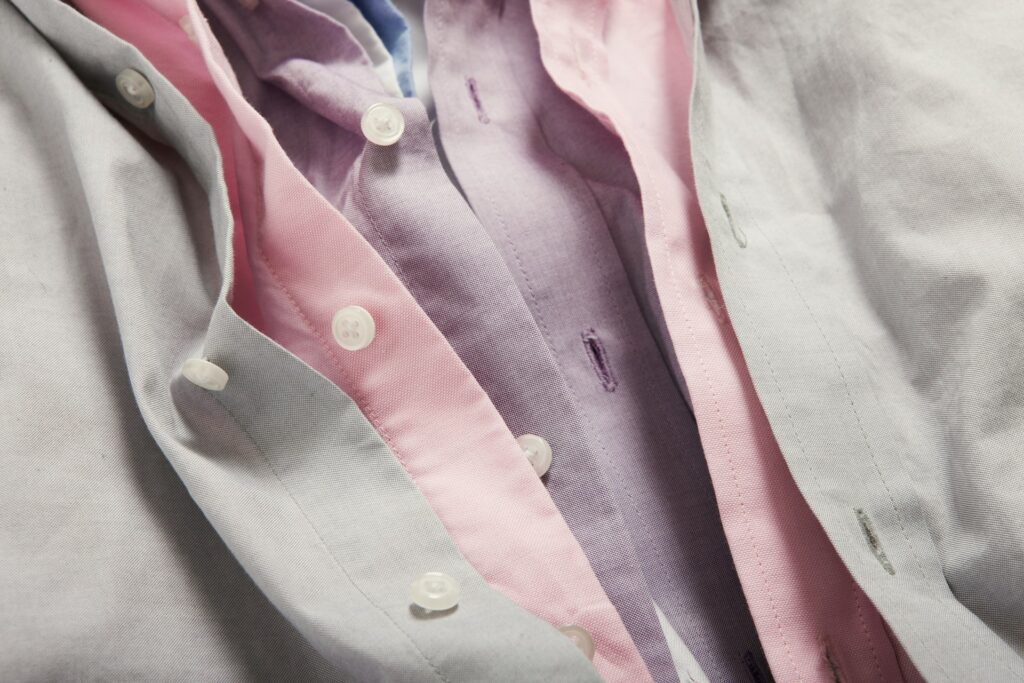
Before you start building your wardrobe, it’s important to get to know the essentials that make up the majority of natural fibers.
1. Organic Cotton
Organic cotton is the ultimate closet staple. Organic cotton is grown without harmful pesticides and uses less water. Wardrobe pieces made from this fabric are extremely versatile staples that you can rotate. They work best in t-shirts, denim and sundresses.
2. Linen
Linen is a quintessential summer fabric. It offers cooling properties and an effortlessly chic look. The slightly rumpled texture makes the clothes feel lived-in. It’s perfect for dresses, trousers and button-down shirts. There is a reason why travelers prefer to wear linen in hot and humid destinations.
3. Silk and Tencel
Silk and Tencel provide a cool and luxurious look to clothes. Silk is a natural protein fiber made from the larvae of silkworms. It is extremely breathable and feels weightless on the skin. It’s good to have both in the summer for its cooling, moisture-wicking properties and in the winter for its ability to trap body heat.
Tencel is a plant-derived fiber. It is produced through a sustainable and closed-loop process that offers a smooth and drapey feeling for sophisticated blouses and dresses.
Caring for Your Pieces
Styling natural fibers is all about embracing their natural properties and textures. For example, linen is known to be wrinkle-prone. Instead of expecting it to behave like plastic, embrace the charm of slight wrinkles. You don’t always need to iron them. Mix and match natural fibers for your outfit. Pair wide-leg linen pants with a silk camisole for an elegant yet relaxed look. A white cotton dress can look stunning with leather boots and a woven bag for a breezy and timeless weekend market outfit.
Remember to care for your natural-fiber clothes. It’s always best to extend an item’s lifespan by following and being mindful of its care instructions. The best thing to do is to wash it less often and air out the pieces to refresh them. When washing, use cold water and a gentle detergent to protect the fibers and prevent shrinkage.
Delicate pieces, such as silk, can be hand-washed. These steps might look simple, but they preserve the integrity of these garments and protect them for years to come.
Your Adventure in Natural Fibers Awaits
Natural fibers are breathable and biodegradable fabrics. The decision to build a wardrobe from them offers many benefits, both for you and the planet. It is a commitment to personal comfort and skin health as natural fibers are moisture-wicking and gentle on the skin. You also support simpler production processes that do not result in massive metric tons of clothes ending up in landfills.
This summer, try visiting your favorite shops and reading the tags on each item you find interesting. You don’t have to buy anything yet. There should be a label showing the percentage of the fabric used to make the clothes. Familiarize yourself with the texture and appearance of these fibers to truly understand what makes them different from synthetic fibers.





Share this article