


Revivalist is a reader-supported endeavor and our posts may contain affiliate links. When you buy through links on our site, we may earn an affiliate commission.
Snack time is one of the best moments of the day. Everyone gets excited to reach into their pantry and pull out their favorite chips or crackers. When you look at the label, you might second-guess what you’re actually eating. If you’re ready to swap ultra-processed foods with healthier snacks, discover some popular options that help people minimize their processed food intake.
Why Ultra-Processed Foods Aren’t Good for You
Ultra-processed foods are products that undergo lengthy manufacturing steps to reach consumers. They might encounter flavor additives, added sugars, dyes and other ingredients that aren’t natural. The resulting tasty snacks are delicious, but not great for your health.
Eating ultra-processed foods contributes to chronic disease risks, even if you don’t eat an excessive amount. People theorize that’s because of the chemical additives, but it could also be the long-term impact of fried foods and artificial ingredients on your body.
Examples of Common Ultra-Processed Snacks

You might be ready to change your diet, but you’re unsure where to start. If you don’t eat a lot of clearly processed foods, you might wonder which parts of your grocery list aren’t healthy for you. Check your pantry in the fridge for things like:
- Corn chips, such as Doritos
- Candy
- Packaged pastries
- Pretzels
- Sugary granola bars
- Sweetened yogurts
Once you understand how many ultra-processed foods you typically eat in a week, you can identify which snacks you’d rather not have anymore. Even if your goal is to reduce your intake, swapping them with nutrient-dense options could help you reach your health goals.
6 Healthy Snack Ideas

The grocery store shouldn’t feel like an intimidating place to shop. Feel confident during your next trip by adding a snack replacement to your grocery list.
1. Carrots and Hummus
Ultra-processed foods are convenient because they’re crunchy and in small containers. Your new snacks can have the same attributes if you try carrots dipped in hummus. Carrots have vitamin A, which supports eyesight and skin health if you have enough of it in your diet. Hummus comes from chickpeas, which also have plenty of nutrients and minerals. If you wash some baby carrots and pair them with a serving of your favorite hummus, you’ll have a delicious snack ready to go.
2. Cantaloupe and Cottage Cheese
Get more fruit in your diet by bringing a cantaloupe home from the grocery store. You can buy a whole melon and slice it, or get some in pre-cut containers. You could even grow it in your backyard if you buy it regularly at the grocery store.
No matter how you get your cantaloupe, your diet will gain extra folate and potassium with cantaloupe snacks. Dip your cantaloupe slices into cottage cheese to make every snack more filling with natural protein.
3. Apple Slices With Cinnamon
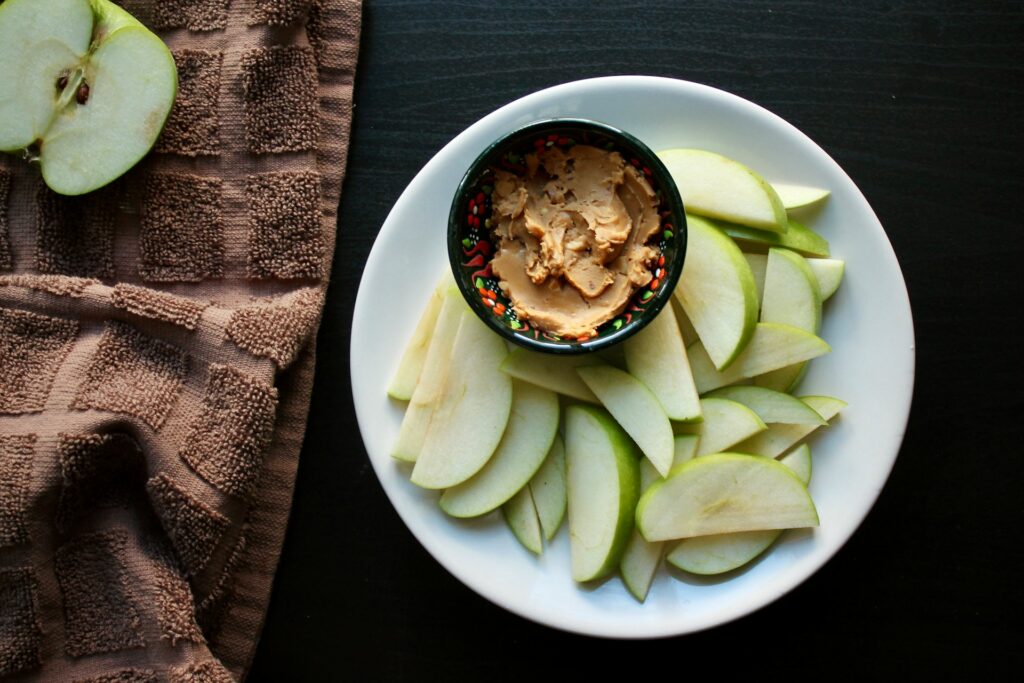
You’ve likely heard the common belief that eating an apple a day keeps the doctor away. Apples are full of vitamins and fiber, but you may want something a little sweeter if you’re getting rid of sugary snacks. Slice a washed apple and sprinkle cinnamon over it. Cinnamon can reduce your fasting blood glucose, which could support your health goals.
You’ll also stretch your cinnamon longer than you might think. Using a little bit for apples makes one small container of powdered cinnamon last a long time. Use the leftovers to visualize and achieve your goals with a simple ritual. Even if you added it to your morning toast, you’ll have a healthy topping for snacks and meals.
4. Cheese and Whole Grain Crackers
Cheese is an excellent source of protein. If you want a healthy alternative to your favorite crackers, go for whole-grain options. Crackers undergo processing because they don’t naturally occur in the wild. However, whole grain flavors contain fiber and minerals, plus essential nutrients. You’ll have a healthier snack by not choosing crackers made with white flour, which still eliminates ultra-processed food.
5. Diced Cucumbers and Fresh Mozzarella
Add some cucumbers to your grocery list this week. The water-based veggie will support your overall hydration and boost your health. A whole cucumber with the peel contains 55% of an adult woman’s vitamin K intake or 40% of an adult man’s intake. If you slice a cucumber and use toothpicks to spear bite-sized pieces with small mozzarella balls, you’ll create a healthy treat with protein.
6. Veggies Dipped in Ranch-Flavored Cottage Cheese
Dips make crackers and chips twice as delicious. Swap your favorite ultra-processed sour cream and onion dip with cottage cheese. If you add it to a blender with some ranch seasoning, you’ll create a smooth dip for all of your favorite veggies. Cottage cheese even has probiotics that balance your gut’s microbiome to support better digestion. Blending may be an excellent first step if you don’t prefer the original texture as well.
Tips to Easily Adjust Your Diet
Eating something new can be tricky. Break your ultra-processed food habits more easily with some straightforward strategies.
Change One Food at a Time
If your pantry drastically changes overnight, you may lean back into ultra-processed foods because your mind and body want something familiar. You could stick with your dietary changes long-term if you slowly adjust your grocery list. Change one snack and keep everything else about your diet the same for a couple of weeks. When your new snack feels routine, add a different one.
Don’t Strain Your Budget
The average American spends $504 on groceries monthly, which strains the average budget. Whole foods can be more costly, but you don’t have to overspend to improve your health. Look for frozen or canned alternatives to fruits and veggies whenever possible. You can also restock your healthy snacks whenever there’s a sale to avoid buying full-price ingredients later.
Eat What You Like
You may have the best intentions when filling your daily diet with things like baby carrots and hummus. If you hate both foods, you’re not going to maintain your improved snack routine. Try replacing ultra-processed foods with healthy alternatives that you actually like. If you look forward to your snack and savor every bite, the change will be easier to get used to.
Choose Healthier Foods for Your Snacks
Nutritious snacks don’t have to be elaborate. Once you know which ultra-processed foods you don’t want to eat anymore, explore alternative ideas like veggies dipped in cottage cheese. If you start with foods you enjoy eating and adjust your diet slowly, you’ll likely stick with your healthy changes long-term.
FAQs About Ultra-Processed Foods
What is the healthiest food to eat?
The healthiest food to eat is any food that’s nutrient-dense and supports your goals. Most whole foods have different benefits for any person’s diet. You can always consult your doctor or a nutritionist to find out what’s best for your unique health needs.
Are eggs considered ultra-processed?
Eggs are not ultra-processed foods. They may have unprocessed or minimally processed labels. Washing and sorting eggs can count as processing them, but the nutritional value remains the same.
What are three foods cardiologists say not to eat?
The three foods cardiologists say not to eat are processed meats, refined carbohydrates and sugary drinks. You should always stick with guidance from your primary care doctor or cardiologist as well. Your physician may be more concerned about specific ultra-processed foods, rather than larger dietary categories.





Share this article