


Revivalist is a reader-supported endeavor and our posts may contain affiliate links. When you buy through links on our site, we may earn an affiliate commission.
The digital world is often chaotic and overwhelming. Even trying to post photos can turn into a performance of the perfect life. That’s why many people are drawn to junk journaling — and how it embraces real, tangible, and messy parts of the in-between moments of life. It offers a unique perspective on the mundane and is the perfect analog rebellion against a curated online presence.
What Is Junk Journaling?
Junk journaling is about finding beauty and meaning in everyday life. You collect pieces from things you might usually discard. For example, you can collect and use tourist pamphlets, ticket stubs, receipts and product packaging as junk journal materials when you travel. It’s a form of self-expression that captures a specific feeling or essence. You can write anything you can think of in the journal, whether that’s a simple to-do list, an adventure bucket list, a poem, a recipe or things you’re grateful for in the moment.
It’s different from scrapbooking as it isn’t about preserving and decorating around memorable photos. Junk journals are more free-form and focused on daily life. You can add fabrics, tear edges, make collages, leave pages blank or do whatever you’d like.
Why Junk Journaling Is a Wellness Game-Changer
Junk journaling is a full-on sensory experience. Just the act of tearing paper, the sound of scissors or the smell of old books is enough to bring your mind into the present world instead of the overwhelming and distracting digital world. In fact, journaling helps alleviate anxiety and depression symptoms. It’s both a creative expression and a way to process your thoughts into a page without using words.
Moreover, junk journaling helps spark creativity and play. The world is your medium. It trains your eye to appreciate all the little things in life, from pressed flowers and the typography of tea boxes to gold engravings on used envelopes. You can mix and match items to create a story on the page. You go from viewing your regular places like home or school as mundane to seeing them as a treasure trove of opportunities. It’s also the perfect getaway for people who don’t see themselves as artistic.
A Fearless Guide to Starting Your First Junk Journal
It can be daunting to start junk journaling, especially when you’re new to crafts. Here is an easy step-by-step guide to start your first junk journal.
Step 1: Go on a Treasure Hunt
You can start finding materials for your junk journal from the comfort of your home. Make the scavenger hunt fun, low-pressure and zero-cost. Here is a list of areas you can start with:
- Mailbox: unique stamps, old postcards, ribbons and pretty packaging from a delivery
- Kitchen: tea bag labels, labels from a favorite wine bottle, handwritten recipe by a relative, old letters, patterned paper from a box of chocolates
- Closet and drawers: tags from new clothes, a scrap of fabric from a hemmed pair of shorts, old buttons, a lonely earring, bookmarks
- Wallet: receipts from a memorable café date, business card from a shop, coupons with cool graphics, old ticket stubs from movies, concerts or museums
Step 2: Choose Your Foundation
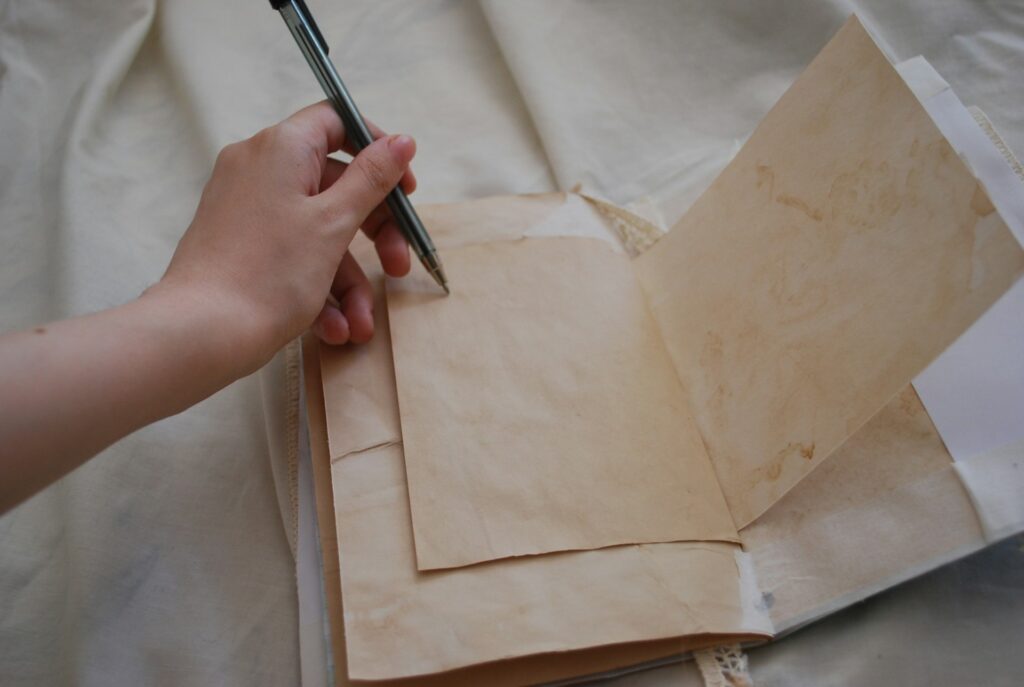
To make your journal truly sustainable, use existing materials instead of buying a new notebook. Use sturdy upcycled materials as the foundation or the cover. To make it easy, try using old hardcover books you already have. Or, if you don’t have one, try visiting your local thrift store or bargain bookstore to peruse their collections. Make sure to glue two to three pages together to create thicker and sturdier pages.
If you want a more DIY journal, use a cereal box folio as your foundation. Cut the front and back panels off the cereal box. Score and fold to create a simple yet durable cover. You can fill the inside with loose papers. Another method is to gather at least nine envelopes of different sizes. Stack them on top of each other and staple them together. You’ve created leaflets where you can glue materials on.
Step 3: Forget the Rules and Make Your Mark
The only rule you need to remember for junk journaling is to embrace the mess. After all, you’re dealing with what others would consider trash. Toss everything you know about artistic senses and layout. Who knows, you might surprise yourself with a pretty image or captivating structure by experimenting more. You can use journal prompts for strong themes without having to translate the feeling into words.
Try doing a Page Zero to test out pens and paints and get a feel for them on the page. You can even spill a bit of coffee or tea for that nice faded look and to remove the pressure of perfection. Pick a piece from your treasure pile and immediately glue it wherever you like. Write a sentence about what you’re feeling. Or, you can choose materials with the same colors and arrange them prettily on the page. Give yourself permission to make an ugly page.
Step 4: Build Your Adventurer’s Toolkit
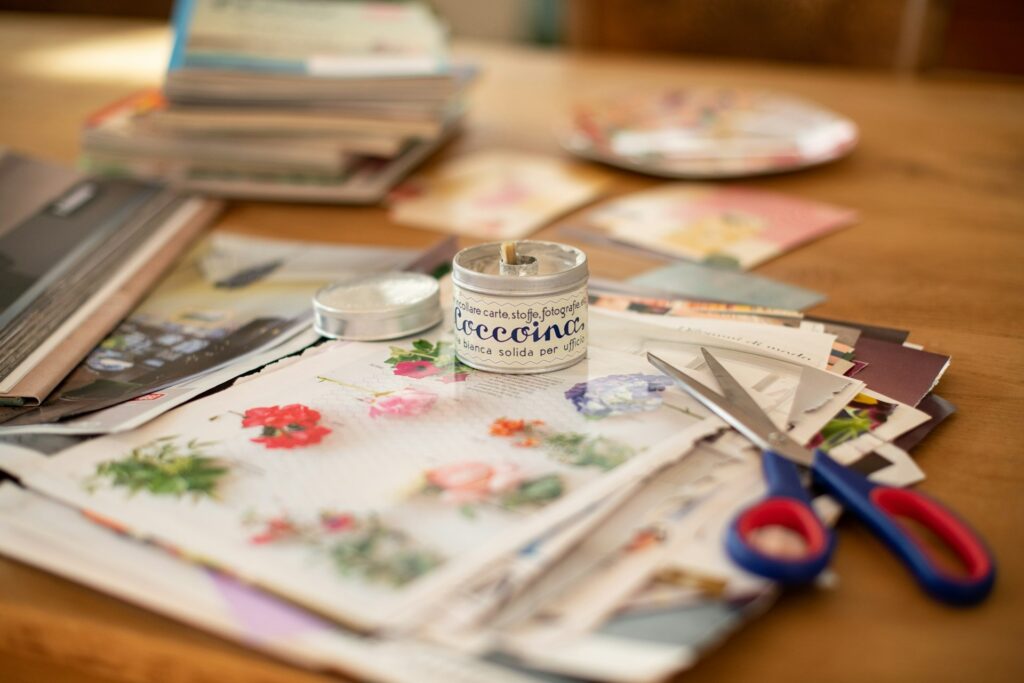
One of the best things about junk journaling is that it’s relatively affordable. To make your experience smoother and enjoyable, here is a list of must-have tools you can carry as your go-to kit:
- Quality glue stick
- A pair of scissors
- Favorite pen to write in
- Colorful highlighters
Once you want to expand on your junk journaling, you can buy tools that can level up your game. Some of them include watercolor sets, washi tapes for decoration, ink pad, yarn, craft papers, onion skin paper, paper punchers in various shapes, glitter pens and stickers.
These materials are optional and can be built over time. Rather than stressing over having the right materials and the perfect page, just embrace playing and creating. Junk journaling celebrates low-cost practices so you’re not behind when you only have glue, paper and your treasure trove. In fact, that’s all you really need for a fun experience.
Your Story Is Worth a Journal
A junk journal is more than just a book filled with random bits and pieces. It serves as a time capsule that captures what you found interesting in your everyday life that particular day. It is also a permission for you to be imperfect. Basically, it’s about celebrating mundane joy and your unique perspective. Your story is waiting to be told. Try collecting your treasure trove today.


Share this article