


Revivalist is a reader-supported endeavor and our posts may contain affiliate links. When you buy through links on our site, we may earn an affiliate commission.
You’ve cleaned your counters, filtered your water and swapped out your cleaning products, but microplastics in your home may still be quietly building up in ways most people overlook. On average, a person will ingest tens of thousands of microplastic particles each year and a surprising portion of that exposure starts indoors. The good news is that small, deliberate swaps make a real difference and you don’t need to overhaul your entire life to get there.
Start in the Kitchen
The kitchen is where your biggest wins are. You interact with food preparation tools and containers multiple times a day, so the changes you make here compound fast.
Start with food storage. Swap plastic containers for glass or stainless steel. Both are durable, easy to clean and not difficult to find. If you still have plastic containers in rotation, the one rule that matters most is to never microwave food inside them. Heat accelerates the release of plastic particles directly into your food.
Switch cooking utensils from nylon or plastic to wood or stainless steel. Replace cling film with beeswax wraps or parchment paper to cover bowls and store leftovers. And if your non-stick pan is scratched or flaking, that’s the most urgent swap on the list. Cast iron and stainless steel are long-lasting alternatives that don’t shed particles into your meals.
Stainless Steel Containers on Amazon for $18.99
Wooden Cooking Utensils on Amazon for $23.54


Filter Your Water and Rethink Your Bottles
Both tap and bottled water contain microplastics. Research has consistently found plastic particles in municipal water supplies and in commercially bottled water, so switching from tap to bottled water isn’t the solution to the problem. While bottled water might seem like a simple alternative, it’s a major source of plastic waste, with consumers in America alone estimated to go through 50 billion single-use water bottles each year.
A reverse osmosis filter or a quality activated carbon filter can significantly reduce your exposure at the tap. These are available as under-sink systems or countertop units and many are straightforward to install without professional help. Some pitcher-style filters, like certain Brita models, also offer meaningful reduction for a lower up front cost if a full filtration system isn’t in the budget right now.
For drinking on the go, stainless steel or glass bottles are the cleaner choice. One thing worth knowing before you shop is that “BPA-free” on a label means the manufacturer removed one specific chemical compound. It doesn’t mean the bottle is free of other plastic materials, some of which behave similarly in the body. BPA-free plastic is still plastic and that distinction is essential to know.
Reverse Osmosis Filter on Amazon for $234.99
Brita on Amazon for $29.89


Your Laundry, Your Air, Your Floors
Synthetic fabrics like polyester, nylon and fleece shed microfibers every time they go in the wash. A single laundry cycle can release hundreds of thousands of fibers, many of which pass through standard washing machine filters and end up in waterways, eventually cycling back into your environment. The scale of the problem is significant, as studies suggest that textiles are responsible for an estimated 35% of the microplastic pollution found in the world’s oceans.
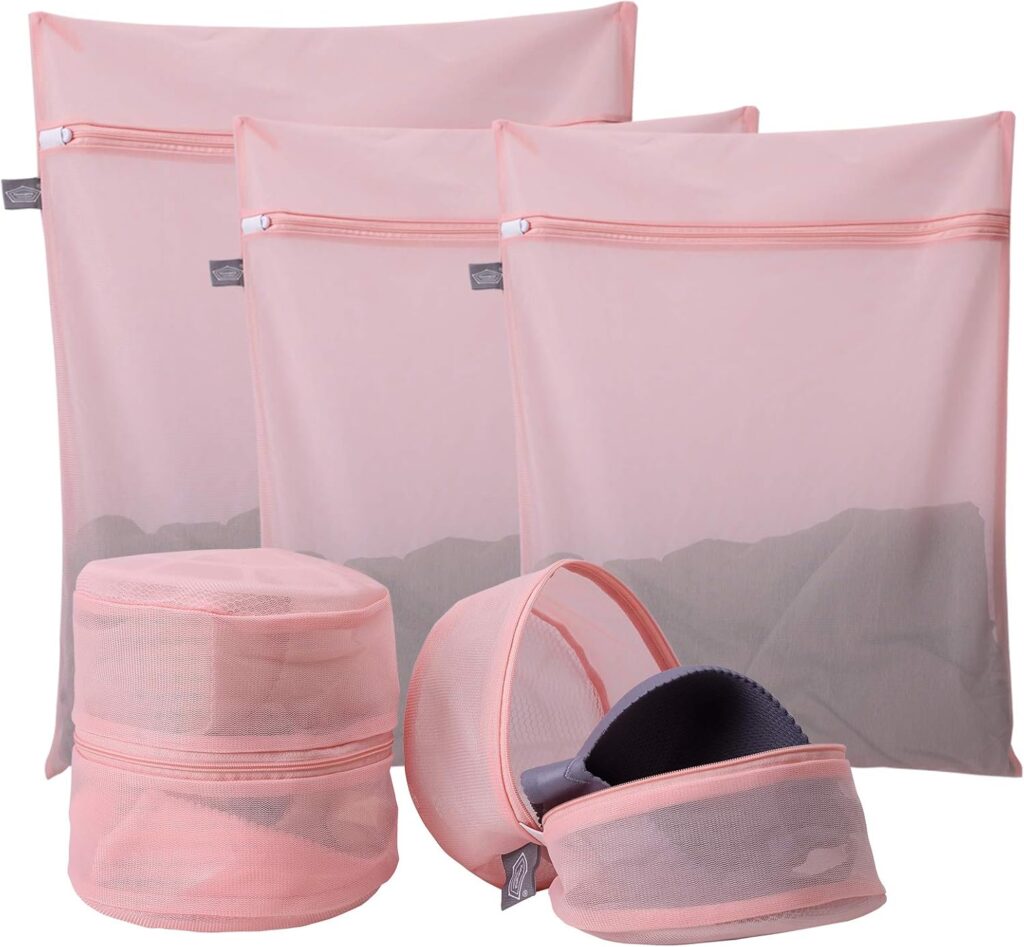
A mesh washing bag is one of the most practical fixes available right now. You place synthetic garments inside it before running the cycle and the bag captures the fibers before they can escape. Washing on cold with a shorter cycle also reduces shedding and air-drying, where possible, cuts it down further still.
Inside the home, microplastics travel through the air and settle into dust. Vacuuming with HEPA filters captures particles rather than redistributing them, unlike standard vacuuming and sweeping. If you’re replacing a rug, curtains or soft furnishings, natural fiber options like cotton, wool or jute shed far less than their synthetic counterparts.
Mesh Washing Bag on Amazon for $14.99
What Are Microplastics?
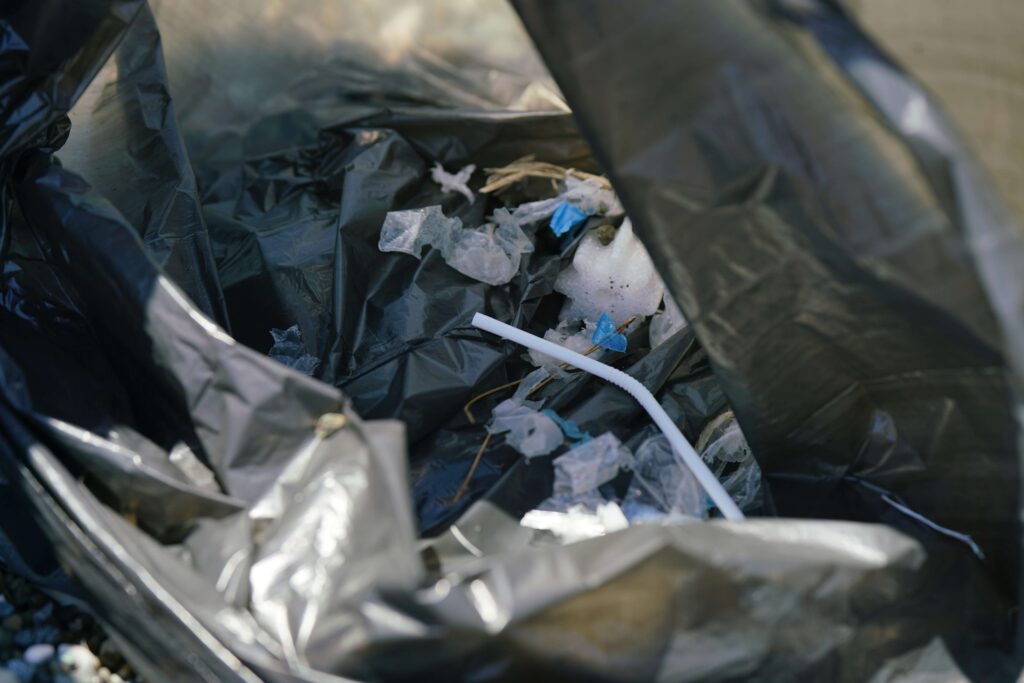
Microplastics are fragments smaller than an inch. Some are manufactured that small, originally intended for use in cosmetics or industrial processes, but most come from larger plastics breaking down over time through heat, UV exposure and everyday wear.
Microplastics show up in the air you breathe, the food you eat and the water you drink. Researchers have found them in human blood, lung tissue and even breast milk, which gives you a sense of how thoroughly they’ve worked their way into daily life. A 2024 study found that patients with microplastic accumulation in arterial plaque face a significantly higher risk of cardiovascular events compared to those without it.
The science is still developing and researchers are continuing to map the full scope of the problem. But what’s already clear is that your home environment plays a bigger role than most people realize.
Where Microplastics Are Hiding in Your Home

Most people picture plastic water bottles when they hear the word microplastics. The reality is, there are many more microplastic sources in your home that you may not even have thought of yet.
Synthetic rugs, carpets and upholstered furniture shed plastic fibers with every step and every sit-down. That sheeding accumulates in household dust, which circulates through your air and eventually lands back on the surfaces you touch and the food you prepare. Plastic food containers release particles when heated, particularly in the microwave. Non-stick cookware with scratched or flaking coatings does the same. Even cling film placed over warm food is a source most people have never thought twice about.
Tea bags are another one. Many commercially produced tea bags are sealed with a fine plastic mesh that releases particles directly into your cup when exposed to boiling water.
The exposure isn’t coming from a single source. It’s coming from a long list of small, repeated interactions with plastic materials every single day. Knowing where those interactions happen is what makes it possible to start disrupting them, one room at a time.
Small Swaps, Lasting Impact
Learning how to avoid microplastics in your home doesn’t mean achieving perfection. It means reducing your daily contact points, gradually and without drama.
Pick one area this week. Maybe it’s your kitchen containers, maybe it’s a water filter or maybe it’s a mesh bag for your next laundry day. Every change is cumulative and the home you’re building doesn’t need to be plastic-free to be significantly lower-risk.
A Plastic Wrap on Your Home
Microplastics in your home are a real concern, but they’re also one you have more control over than the headlines tend to suggest. Start somewhere small because the next swap is always easier than the first.


Share this article