


Revivalist is a reader-supported endeavor and our posts may contain affiliate links. When you buy through links on our site, we may earn an affiliate commission.
An invitation shares all the details and sets expectations. Finding how to address wedding invitations signals how formal the day will feel, who’s hosting and what kind of experience guests can expect. From traditional phrasing to playful lines, each option carries a different message. Choosing the right one helps your guests arrive prepared, confident and excited.
What a Wedding Invitation Really Does
Historically, wedding notices announced a union between wealthy families, not just two people who were in love. Older formats often centered on the parents as the hosts — often outshining the bride and groom — and used formal language associated with religious ceremonies.
Today, invitations serve a similar purpose in sharing information, but they also reflect the bride and groom’s personalities, values and relationship dynamics. Whether you’re planning a black-tie event or a barefoot beach ceremony, your wording gives guests a preview. Modern couples often blend traditional wording with personality, which is why what you say matters more than ever.
10+ Wedding Invitation Wording Options and What They Mean
When planning how to address wedding invitations, it’s vital that you consider the message, ceremony feel and celebration vibe. Let your unique situation guide how you use etiquette or buck trends and go informal to suit you and your partner’s vision.
1. “The honour of your presence is requested at the marriage of …”
This is the most traditional and formal wording. It signals a classic, often religious ceremony, usually held in a place of worship. The use of British spelling for “honour” adds a distinctly formal, old-world tone.
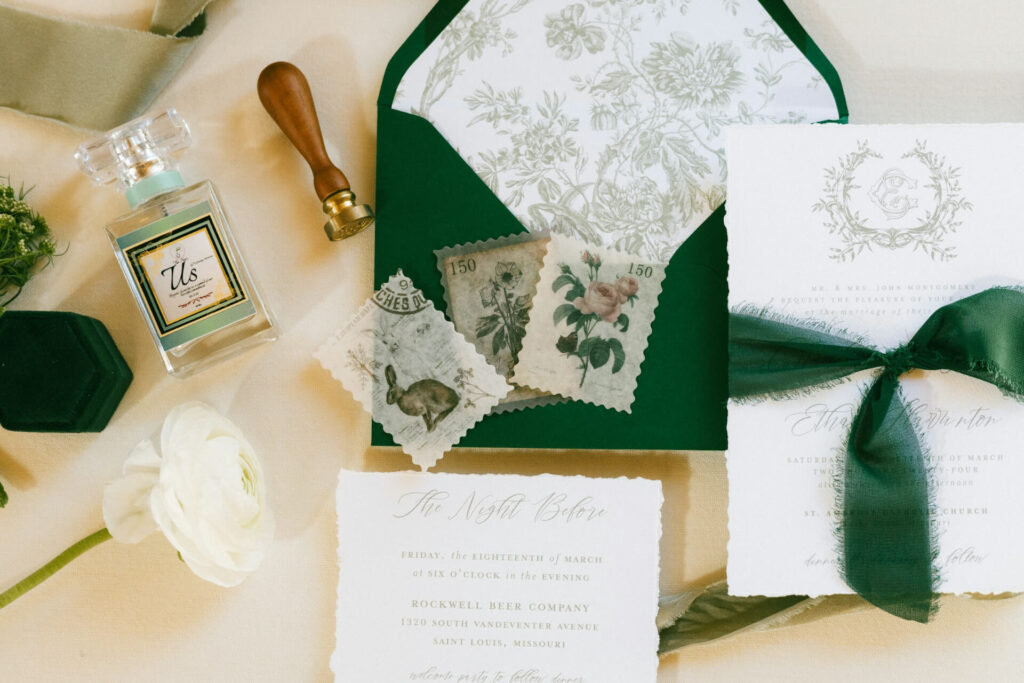
2. “Mr. and Mrs. [parent’s last name] request the pleasure of your company at the marriage of their daughter/son …”
The wording highlights that the parents are hosting. According to Reddit, if your parents are paying for the celebrations, it’s a gesture of gratitude and a respect for tradition and their involvement. This phrasing is often used for formal or semi-formal gatherings.
3. “Together with their parents, [couple’s names] invite you to celebrate their wedding.”
It’s a balanced and inclusive approach, and the phrasing honors family while making it clear you and your spouse-to-be are equally involved. It works well for modern marriages that still value tradition.
4. “[Couple’s names] invites you to join them as they exchange vows.”
It’s a simple and focused message, which emphasizes the ceremony and feels more personal and intimate. It’s an ideal way to structure the invitation if there are challenges with multiple parents who may be divorced and remarried, or if the parents are deceased.
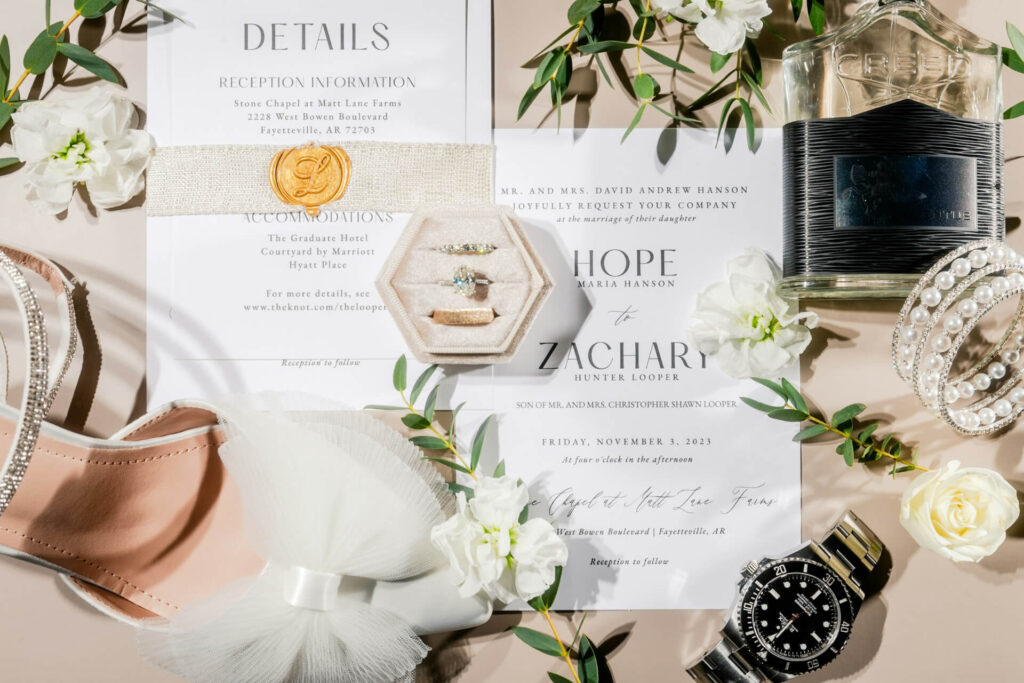
5. “Because you have shared in our lives, we invite you to be with us as we begin our new life together.”
The tone is warm and emotional, making it a perfect choice for intimate ceremonies and celebrations. The wording expresses gratitude and connection, making guests feel part of the upcoming event.
6. “You are joyfully invited to celebrate the love of …”
Use this phrasing for a light and uplifting atmosphere. It’s a fantastic choice for a more informal ceremony and conveys a cheerful and welcoming tone.
7. “Join us for a celebration of love, laughter and happily ever after.”
The playful and romantic tone is ideal for themed weddings, storybook-styled events and when there’s less emphasis on formal structure.
8. “The adventure begins! Please join [couple’s names] as they start their next chapter.”
For a modern and energetic approach, this wording suits couples who see marriage as a journey and want a lively, more lived-in celebration. It’s also ideal for unconventional unions such as polyamorous or non-monogamous arrangements and symbolic or self-partnered marriages.
9. “Eat, drink and be married! Join us as we finally tie the knot.”
For couples with comical characters, this is a fun way to share that it’s a laid-back atmosphere where the focus is on celebration and fun.”
10. “With great joy, we ask you to be a witness to our love and commitment.”
If you want meaningful and intentional wording use this winning phrase. It highlights the role of guests as witnesses, adding emotional weight to the ceremony.
11. “We can’t wait to celebrate with you as we say I do.”
Modern and friendly phrasing suits informal celebrations and on-site weddings. This style of wording also works well with digital invites.
What to Include on Your Wedding Invitation
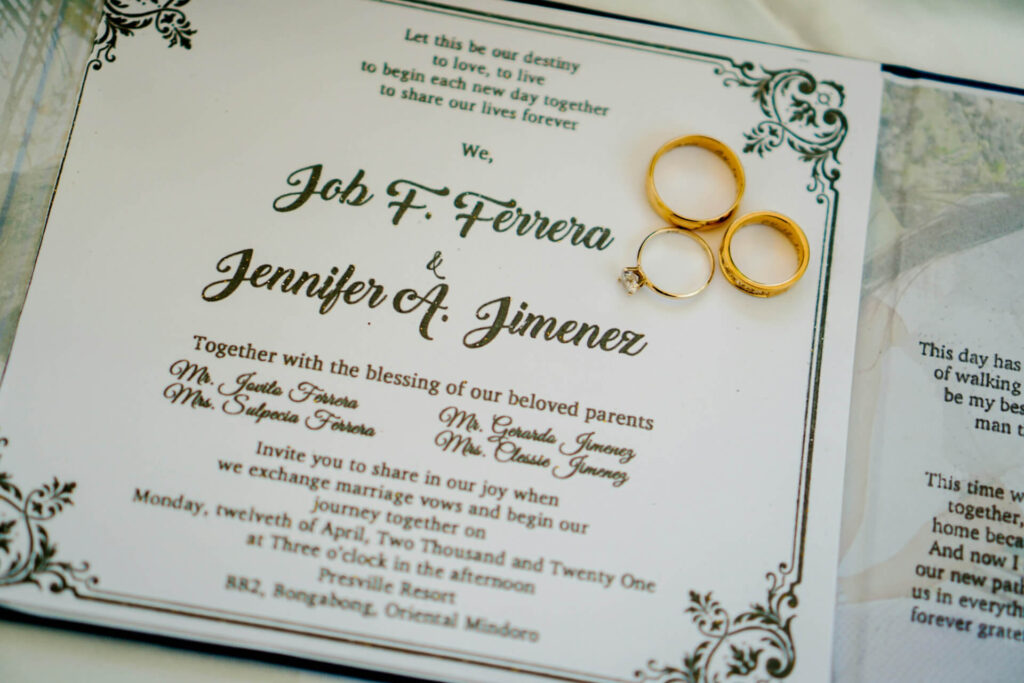
Even the most creative wording must still deliver key details. Keep the info section clear and complete so guests don’t have to guess.
Essential information includes:
- Names of the couple: Full names for formal invites, first names for casual ones
- Date and time: Include day of the week for clarity
- Venue: Full address with GPS coordinates if needed and any vital information — wearing flat shoes for areas with rugged terrain
- Dress code: Optional, but helpful for setting expectations
- RSVP details: Deadline and method
Additional details to consider:
- Adults-only note: Use polite phrasing like “adults-only celebration”
- Religious or cultural elements: Prepare guests for specific customs, such as covering heads during ceremonies
- Hosting details: Include parents if they’re hosting or contributing
Print vs Digital Invitations
Both formats work, and the choice depends on your style and logistics. You can even set up a wedding website with all the information, where you can share photos after the big day or build hype with photos of the process.
| Printed Invitations | Digital Invitations |
| Feel formal and traditional Works well for keepsakes Often paired with RSVP cards | Faster, sustainable and more cost-effective Easier to update Ideal for destination and casual weddings |
Many couples now use both, with printed invitations for close family and digital follow-ups for convenience. Including invitations, wedding stationery averages $518, but can cost much more, depending on paper and print type, as well as additional decorative elements like gold leaf and embossing. When you use a designer service, you can budget anywhere from $4,000 upward.
Making a digital invitation provides additional options, such as adding a QR code for the gift registry or linking through to a digital RSVP page with a clickable button. Using basic visual design tools, you can create a card, letter, video or animation to get your message across to future guests.
How to Respond to a Wedding Invitation
RSVP etiquette still matters. Responding on time helps the couple finalize seating, catering and logistics.
| When Accepting | When Declining |
| Reply before the deadline Include dietary preferences if requested Add a short, personal note if appropriate | Respond promptly Keep your message polite and simple Avoid overexplaining |
A thoughtful response, even a short one, shows respect for the couple’s planning efforts.
More About How to Address Wedding Invitations
How formal should wedding invitation wording be?
Match your wording to your ceremony style. Formal venues and dress code usually call for traditional phrasing, while casual settings allow more flexibility.
Do both partners’ names need to be included?
Yes, always include both names clearly, regardless of format or style.
When should invitations be sent?
Send them at least six to eight weeks before the big day. For destination events, aim for three to four months in advance.
Make Your Invitation Feel Like You
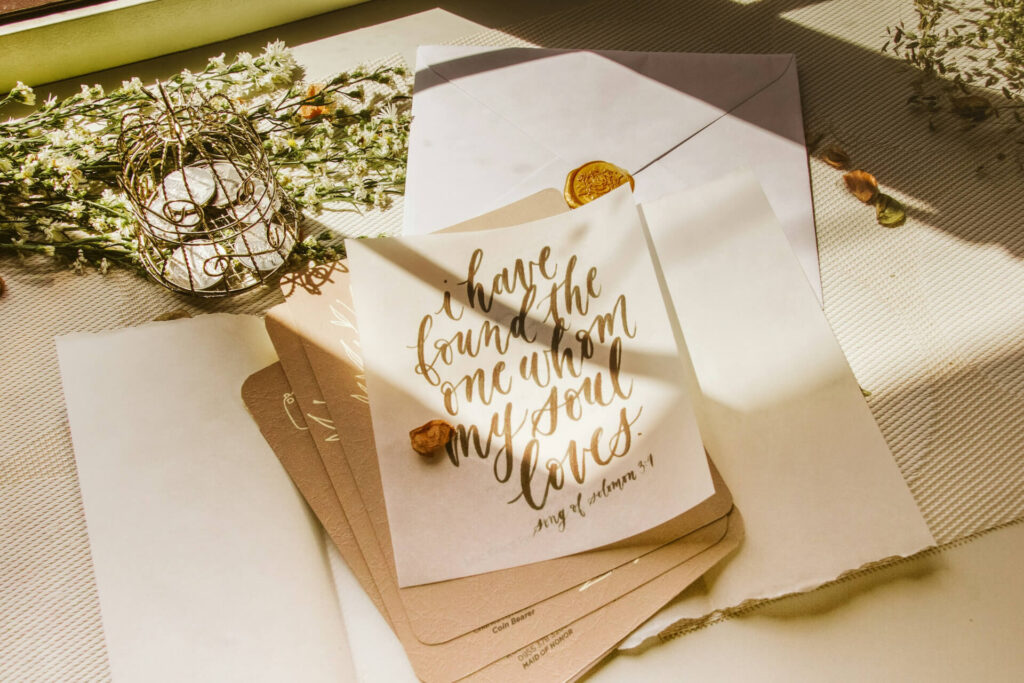
The best wording reflects your relationship. Whether you prefer formal, playful or somewhere in between, clarity and tone matter more than strict rule adherence. Guests remember how your wedding felt, and that experience starts the moment they open your invitation.




Share this article