


Revivalist is a reader-supported endeavor and our posts may contain affiliate links. When you buy through links on our site, we may earn an affiliate commission.
Spring is a time of blooming flowers and warmer temperatures. Unfortunately, it’s also a common time when people experience sneezing and itchy eyes. Spring allergies can be challenging, but you have the power to fight back. Discover the leading spring allergy causes and how to get rid of them.
The Top Spring Allergy Triggers in Your Home

Understanding the common allergens is the first step to avoiding them. The following can be the culprit behind spring allergies:
- Pollen: Pollen came from plants, such as trees, weeds and grasses and can cause hay fever and seasonal allergies.
- Animal dander: Some people may be allergic to the proteins in a dog’s saliva or oil glands.
- Dust mites: These little bugs love hanging out in mattresses, bedding, carpets, curtains and upholstery. They eat dead skin cells, bacteria, pollen and fungi.
- Mold: The stubborn black or greenish stains in your bathroom or basement are mold. These molds require moisture to grow. Breathing in mold spores can cause an allergic reaction.
6 Cleaning Tips to Fight Spring Allergies
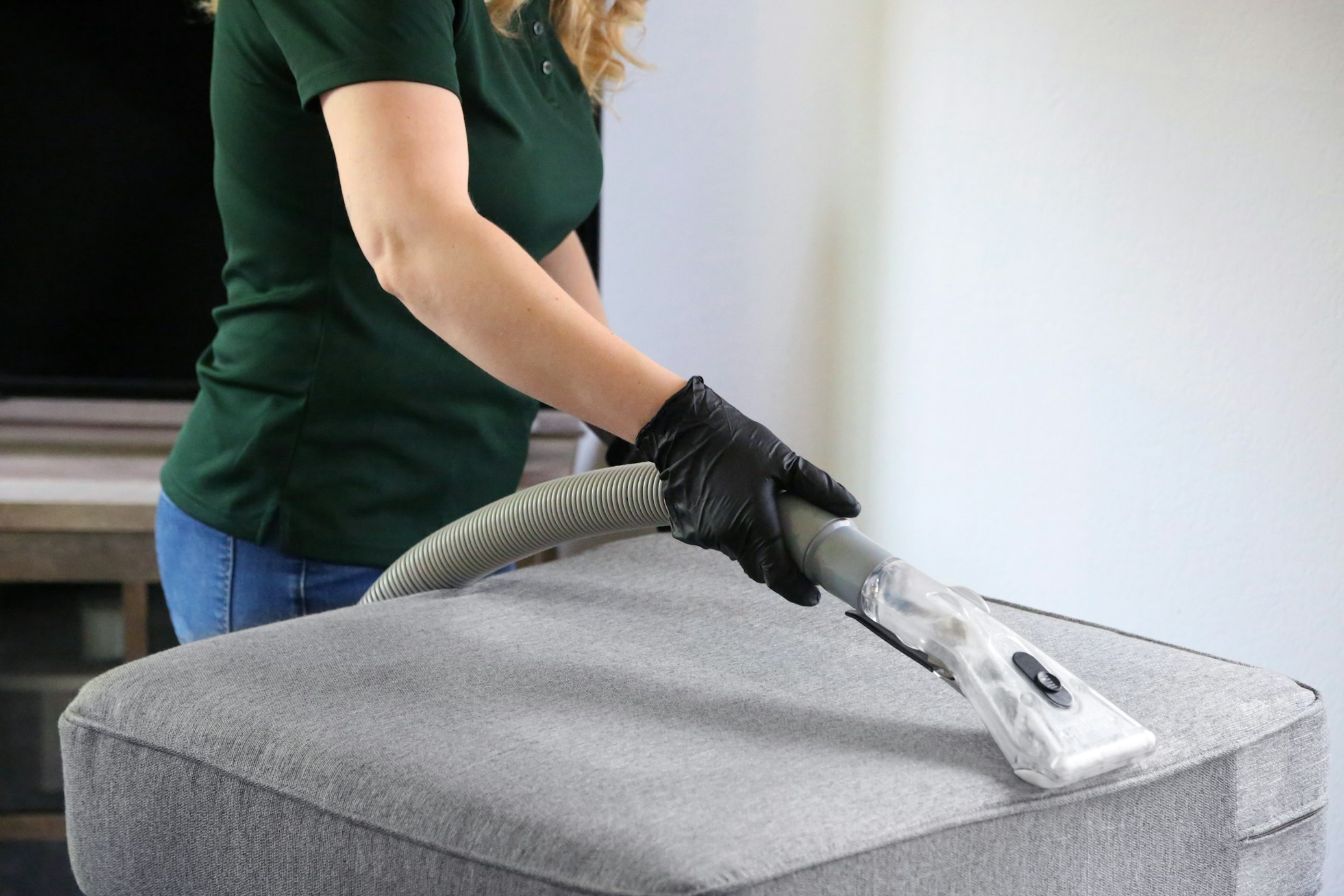
Make spring more enjoyable and stress-free for everyone at home. Here are some tips to keep your home
1. Gear Up
Preparation is key to a successful cleaning mission. Having the appropriate gear ready means you won’t have to stopFirst, wear a face mask to prevent inhalation of allergens. Wear gloves if necessary. Then, come up with a plan for cleaning before you begin. If you like to tackle everything at once, create a checklist to check off items as you go.
However, if you prefer to deep clean per room or take it a little each day, a calendar of intended activities should suffice. This helps keep you accountable, even on days when you don’t feel like doing it.
2. Clean the Air Itself
An air purifier with a high-efficiency particulate air (HEPA) filter can help keep your indoor air free of allergens. It is believed to eliminate at least 99.97% of pollen, dust, mold, bacteria and other airborne particles sized 0.3 microns. You can place your portable air cleaner with a HEPA filter in commonly used areas, like the living room and bedrooms.
Another proactive way to maintain clean indoor air quality is to avoid wearing shoes indoors. The outside environment is a source of exposure to bacteria, viruses and even feces. Wearing shoes at home means bringing these possible allergens indoors, increasing your risk of breathing them in.
3. Work on Your Floors Last
Work systematically from top to bottom, starting with dusting high corners, overhead fans and light fixtures. Move to walls and remove stubborn dust or cobwebs with a broom, microfiber cloth or a vacuum with a brush attachment.
Wipe down walls, especially if you have pets, using a damp microfiber cloth on a flat mop. For stains, use a mixture of water and dish soap to remove them. Wipe down tables, countertops and cabinets. Lastly, vacuum and mop your floors to remove all dust and dirt that fell during the process.
4. Avoid Using Scented Cleaners
While scented cleaners make your home smell fresh, they are laden with chemicals that can harm your health and the environment. It can lead to skin allergies, asthma, headaches and respiratory issues. In extreme cases, overexposure to certain fragrances can cause fertility issues and birth defects.
Choose fragrance-free products or natural alternatives, such as baking soda or white vinegar, then mix them with water. Here are some DIY cleaners you can try at home:
- All-purpose cleaner: Mix 3 cups of water, half a cup of white vinegar and 10 to 15 drops of your favorite essential oil.
- Sink scrub: You’ll need liquid dish soap, white vinegar and baking soda. Sprinkle baking soda over the sink, pour some white vinegar, add a few drops of dish soap and then scrub. Rinse with warm water.
- Kitchen degreaser: Mix 2 cups of warm water with 1 teaspoon of dish soap and 1 teaspoon of baking soda. You can use a cloth or sponge to gently scrub greasy areas.
5. Use the Right Tools
The right tools can make spring cleaning more fun and productive. To get rid of spring allergies, you need a microfiber cloth. Compared to a feather duster, a microfiber cloth is more effective at trapping and removing allergens, thanks to its split fibers and electrostatic charges.
Vacuums are more effective than brooms because they have a suction power that can remove dust, allergens and pet hair from deep within the rugs and crevices that you might miss when sweeping. With various attachments, you can clean almost anything — the back of your refrigerator, curtains and beneath your cabinet.
6. Reduce Clutter
Remove unnecessary items that collect dust. Some things that accumulate dust include wicker baskets, throw blankets and upholstered furniture. Examine real and fake plants for dust accumulation. You can also limit fabric by replacing heavy drapes with washable curtains or roller shades.
Vents, filters and ceiling fans are also huge sources of accumulated allergens and dust. You must clean your ceiling fans every 1 to 3 months to prevent heavy dust and allergen buildup, improving air quality at home.
A Room-by-Room Cleaning Plan
Still unsure where to start? Let this quick checklist guide you in fighting spring allergies.
- Bedroom: Remove all bedding, including sheets, pillowcases and duvet covers. Wash them to kill dust mites. Use the vacuum’s attachment tools on your mattress, curtains and upholstered furniture before vacuuming the floor.
- Living room: Vacuum upholstered cushions, throw pillows and curtains. Use a damp microfiber cloth on shelves, electronics and decor.
- Kitchen: Use your unscented cleaner to scrub for mold and mildew in grout. Look for any signs of drips that could encourage mold growth and repair them.
- Bathroom: Run the exhaust fan during and for 15 to 20 minutes after shower to reduce humidity.
Enjoy a Sneeze-Free Season

Spring signifies new beginnings. Start your season off right by taking these proactive steps to combat spring allergies. Soon enough, you and your family will say goodbye to sneezing and watery eyes.


Share this article