


Revivalist is a reader-supported endeavor and our posts may contain affiliate links. When you buy through links on our site, we may earn an affiliate commission.
The phrase “analog hobbies” is all over the internet right now. You’ve probably seen it pop up more than once in your social media feed and even on news sites. It seems like people are collectively experiencing digital fatigue and burnout, and they’re putting down their phones in favor of hands-on hobbies to reconnect with something more creative and calming.
If you’ve been feeling overwhelmed and tired of your screens, analog hobbies might be the rest you didn’t know you needed. Here’s everything you need to know about it.
Why Analog Hobbies Are Having a Moment

Since work, study, social life, and entertainment now live on a small device you carry all day, it’s hard to escape screens. In fact, almost one in four young adults in the U.S. reports spending anywhere from nine to 12 hours a day in front of screens. That’s a huge portion of waking life.
More and more people are also struggling with doomscrolling, which is the habit of endlessly consuming online news and content. While this habit may seem harmless, it actually comes with various consequences. The constant stream of alerts, breaking news, global uncertainty, and, increasingly, AI slop can fuel negative thoughts. It may contribute to increased anxiety and worsen any mental health issues you’re already dealing with. Your productivity and concentration might suffer, too.
Moreover, doomscrolling is a sedentary activity. That means spending too long in this loop can lead to physical side effects like muscle stiffness, postural changes, headaches, and chronic neck and back pain.
Analog hobbies are a fantastic solution to this problem. Sometimes referred to as grandma hobbies, they involve screen-free and hands-on activities where you can focus on creating and doing something for yourself. And it continues to grow in popularity. According to Michaels’ annual Creativity Trend Report, people are seeking out these kinds of activities. Searches for hobbies like journaling, painting and crocheting have increased by 136% in the past six months.
How Analog Hobbies Can Benefit Your Well-Being

Adopting an analog hobby helps you take a break from doomscrolling and everything that comes with it. But the benefits go further than just stepping back from screens. These unplugged activities work in a similar way to mindfulness practices like meditation and breathwork. They bring your attention back to the present moment, helping you spend your time more intentionally.
Take knitting and crocheting, for example. You have to focus on each stitch and repeat small movements. If your mind wanders too far, you’ll likely make a mistake. It pushes you to actively do something that pulls you out of autopilot instead of passively consuming. The more you do it, the more your mind slows down and your nervous system settles.
In addition to mindfulness, you can enjoy other benefits. Having a hobby can support personal growth, lower stress levels and help build social connections through shared activities and communities. Plus, there’s just something freeing about creating without pressure.
The Best Analog Hobbies for Creativity and Calm
Analog hobbies can be anything that doesn’t involve a screen. If you’re curious about trying one for yourself, here are six easy hobbies that can help you slow down and feel a little more grounded in this very digital world.
1. Crochet and Knitting
Making scarves, sweaters or little doilies once seemed like something only your grandma did. Now, they’re making a comeback among the younger generations. Learning how to crochet and knit is among the most popular ways to get into analog hobbies, and it’s easy to see why.
You can simply learn from tutorials on YouTube — or books if you want to stay fully offline — and you get something pretty out of it. Additionally, crafts like knitting have been shown to help reduce stress and depression, while also improving self-esteem and life satisfaction.
2. Journaling

Journaling is another popular analog hobby, as it’s simple and flexible. You can use it for memory keeping and recording your day, or turn it into a space for creativity with junk journaling or daily doodling. It also allows you to work through your thoughts, which can support your mental health and help you better understand yourself.
3. Gardening
Analog hobbies don’t always have to be arts and crafts. Gardening is a great way to step away from screens, and you don’t need a large space to do it. All you need is a few pots, a small balcony or a windowsill to grow herbs, flowers or simple plants.
Gardening gives you an opportunity to spend time in nature, which has been shown to reduce heart rate and muscle tension. On top of that, you get natural vitamin D from sunlight and may enjoy lower levels of stress and anxiety.
4. Ceramics and Pottery
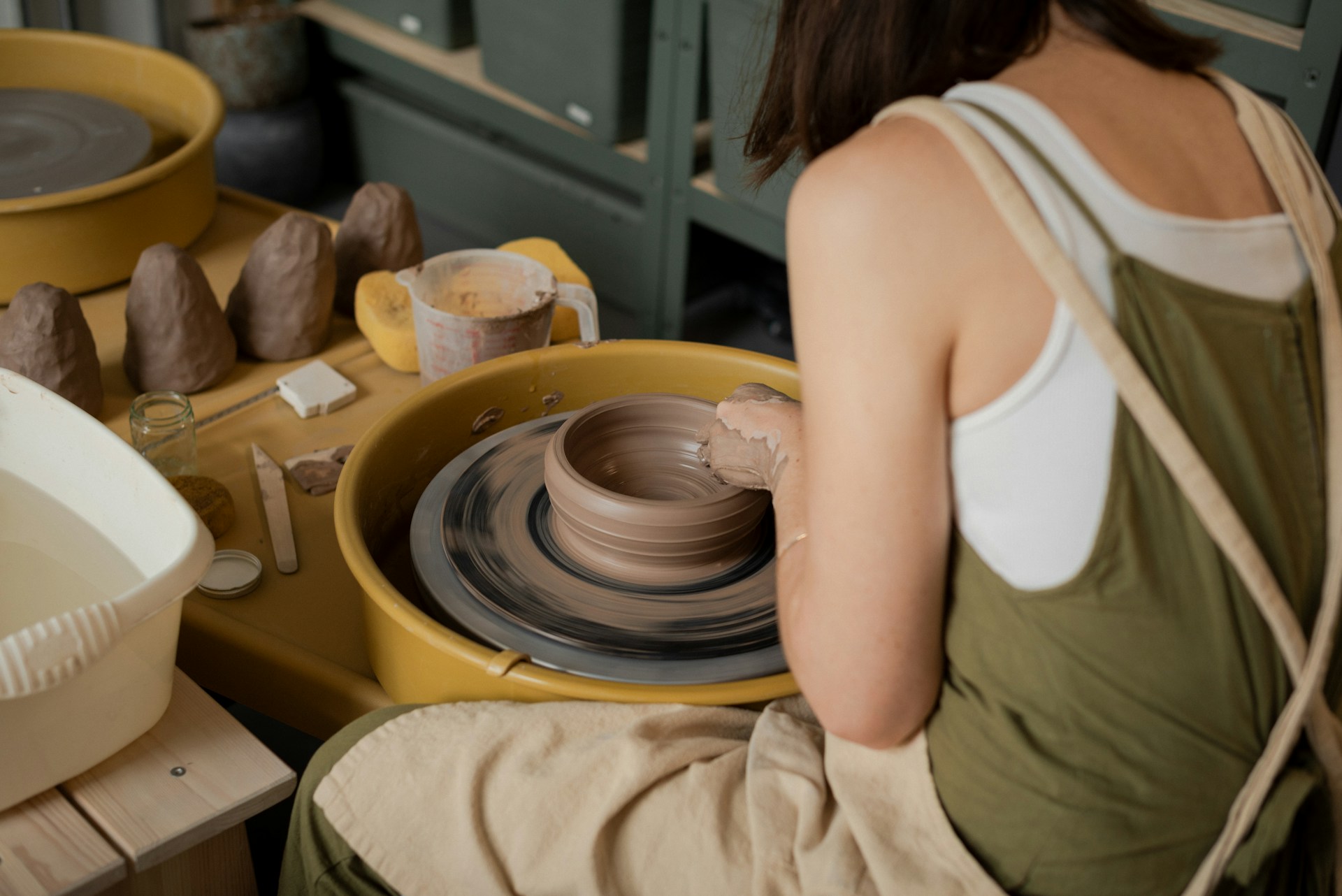
Creating ceramics and pottery can be challenging at first, but that’s part of the appeal. Since your hands will be busy and covered in clay residue, you’ll be forced to create and experiment without constant interruptions from screens. It also allows you to slow down, focus and stay present. As a bonus, you’ll get something functional you can use or gift to the people you love.
5. Board Games and Puzzles

If you’re looking for something fun and mentally engaging, opt for board games and puzzles. These can include crossword puzzles, Sudoku and jigsaw puzzles, as well as classic tabletop games like chess, Monopoly, Jenga and Scrabble.
There’s an ongoing debate about how much puzzles improve cognitive skills, but research shows promising links. A 2024 study found that those who regularly played board games or did puzzles tended to have stronger reasoning skills. They also performed better on memory and verbal tasks than those who didn’t.
These games also bring people together. Solving a puzzle side by side or laughing over a board game creates a real, in-person connection that improves your mood and makes you feel happier.
6. Stargazing
Looking up at a clear night sky sounds very simple, but it has various benefits. It helps you shift your attention away from daily stress, which, in turn, can lower your cortisol levels and bring on a calm, almost meditative state. You don’t really need any tools to do it, but you can go a step further with binoculars, a telescope or a paper star chart to help you spot constellations.
How to Start Your First Analog Hobby

Choose something that you genuinely find interesting and keep it simple. You may feel the urge to buy new leather journals or a set of expensive gardening tools, but don’t let these hobbies become a trap for overconsumption. Although some activities require basic tools, try to start with what you already have or buy only what you truly need.
If you keep reaching for your phone, it helps to set a realistic time window for your unplugged activities. For example, 20 minutes before you leave for work or an hour after dinner. You can also build a small ritual around it to make it feel more inviting, like making a cup of tea or lighting a candle.
Many Gen Zs are also creating what they call “analog bags” to keep all their tools in one place. It makes it easier to pick things up when you have time or take them with you to a cafe or park.
Most importantly, let yourself be imperfect. Starting something new can feel intimidating, and you may feel less motivated if you’re not automatically “good” at the hobby you choose. Keep in mind that analog hobbies are all about experiencing something for yourself and stepping away from the pull of constant scrolling. You don’t need to master a skill or be impressive.
A Slower, Softer Way Back to Yourself
Going analog doesn’t mean you have to completely disappear from the digital world. It simply asks you to spend some intentional time away from it. It’s a pause from the noise, a way to reconnect with yourself. By creating more than you consume, you remind yourself that creativity doesn’t live in your phone, but in your hands.





Share this article