


Revivalist is a reader-supported endeavor and our posts may contain affiliate links. When you buy through links on our site, we may earn an affiliate commission.
Dyeing your hair is fun until the original color you loved starts fading. I love changing my hair color, but I don’t love watching that fresh-from-the-salon vibrancy disappear after a handful of washes. Learning how to make hair dye last longer can feel like a battle against shampoo, heat, sunlight and everyday life. So I decided to put eight popular color-preserving strategies to the test. I focused on the habits that are easiest to incorporate into a normal routine, then compared how my hair looked and felt over time.
1. I Switched to a Color-Protecting Shampoo
This was the first change I made, and it quickly became one of my favorites. Instead of reaching for a basic cleansing shampoo, I chose one specifically formulated for color-treated hair. The idea makes sense because washing itself leads to dye loss.
I also became more careful about where I applied shampoo. According to the American Academy of Dermatology, it is better to concentrate shampoo on the scalp instead of working it through the entire length of the hair. This approach removes oil and buildup while limiting unnecessary cleansing of the already-colored lengths. My result was noticeably less dullness between washes, making this one of the easiest tips I would recommend.
2. I Started Washing My Hair With Cold Water
This was the tip I was most skeptical about. I had always heard that cold water could help preserve hair color, but I wasn’t convinced that the temperature of my shower could make a meaningful difference. After dyeing my hair, however, I started rinsing with cool-to-cold water rather than standing under a steaming shower.
Cold water is not a magic color-preserving treatment, but water and shampooing do contribute to dye loss, while constantly washing your hair with hot water can lead to dry scalp, which increases dandruff. So I treated cooler water as a low-effort precaution rather than a scientifically proven guarantee. The practical result was that my hair felt less dry after washing, which helped my color look shinier and more vibrant.
3. I Stretched Out the Time Between Washes
I didn’t stop washing my hair. Instead, I became more strategic about when I actually needed to wash it. On days when my scalp wasn’t oily, I skipped shampoo and used a small amount of dry shampoo as needed. This has a clear advantage for anyone trying to figure out how to keep the hair color longer — fewer shampoo sessions mean fewer opportunities for color to wash away.
If you have thin, oily hair like me, I definitely recommend dry shampoo. It has become my best friend. It helps my hair look fresher between washes and adds more volume. However, it’s important to note that it isn’t a replacement for proper scalp cleansing. My result was exactly what I was expecting. Less washing meant less color fading without forcing me into an uncomfortable no-shampoo routine.
4. I Conditioned Every Time I Shampooed
Color-treated hair needs more than clean roots. I started treating conditioner as an essential part of my routine rather than an optional finishing step. After every shampoo, I applied conditioner through the lengths and ends, leaving it on for the recommended amount of time before rinsing with cool water. This made a difference in how my hair looked, even when the color itself hadn’t changed dramatically.
Conditioner moisturizes and detangles your hair, making it easier to manage. Softer, smoother hair reflected light more evenly, making my color appear more vibrant.
Using a hair lotion or oil after a shower is also helpful for locking in moisture and better protecting your hair. This step is like using a moisturizer for your skin. Focus on the ends, where hair is often driest and avoid applying the product to your scalp.
5. I Became Serious About Heat Protection
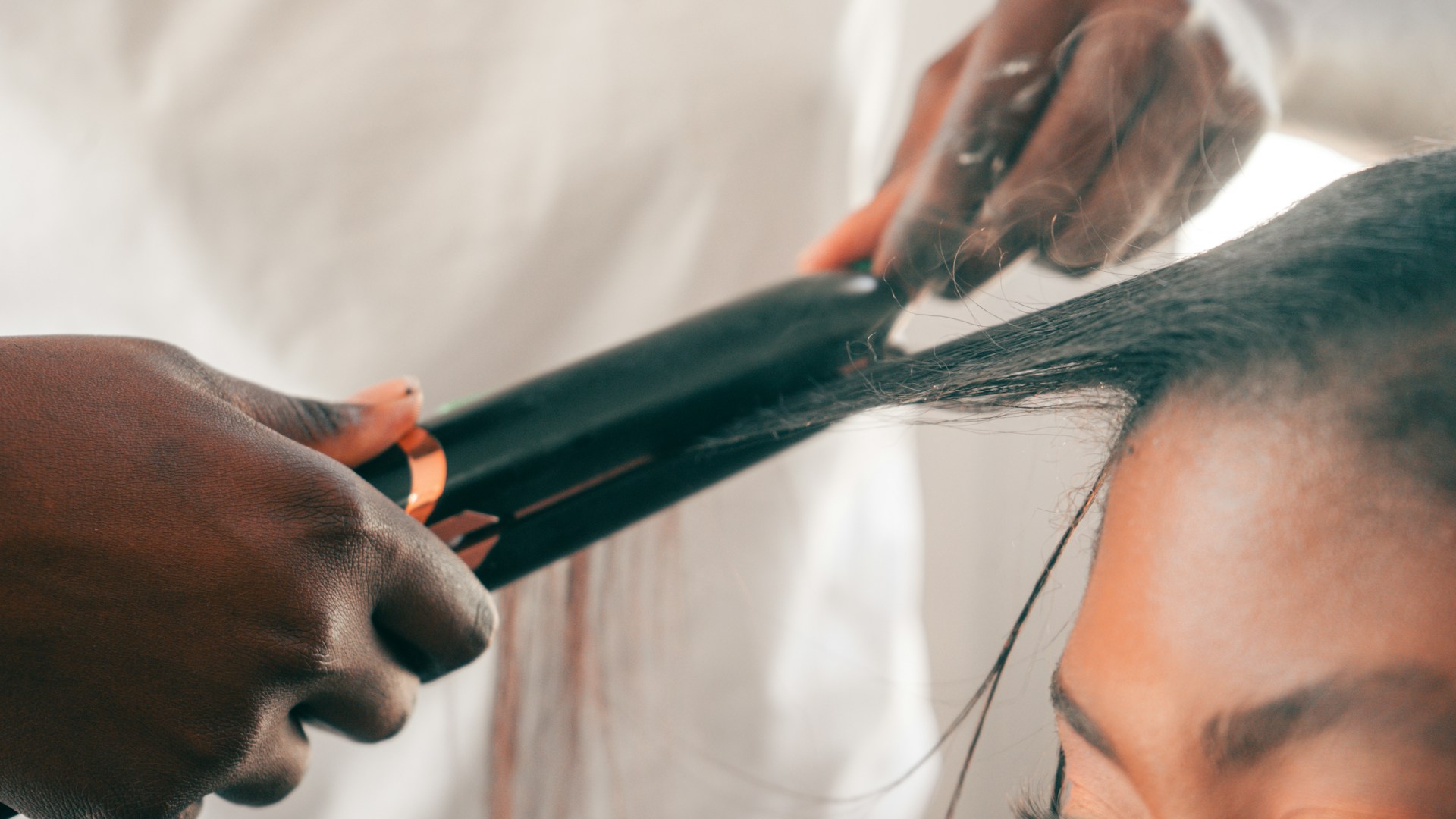
I love a good blowout, but I learned that constantly exposing freshly colored hair to high heat wasn’t doing my color any favors and it can also damage the cuticle, causing breakage.
Instead of eliminating heat styling completely, I started doing it less frequently, began to use a heat-protective product and lowered the temperature whenever possible. This was less about proving that a single styling session would immediately strip away my color and more about protecting the hair’s quality. When hair becomes dry, brittle or damaged, maintaining a glossy, even-looking color becomes much harder.
6. I Protected My Hair From the Sun
This tip surprised me because I usually think about sunscreen as something for my skin, not my hair. However, intense sun exposure can affect artificial hair color and damage the hair.
The sun has two types of rays that cause different problems. UVA rays go deep into the hair strands and cause damage from the inside out. UVB rays mainly attack the hair’s surface, breaking down the melanin pigments that give it color and the proteins that keep it strong.
All this sun damage can leave hair feeling dry and brittle. Over a long period, excessive sun exposure can even cause natural hair color to change and may contribute to vitamin D deficiency. I couldn’t control every minute of sunlight exposure, but reducing unnecessary exposure was definitely an easy win.
7. I Treated Swimming Like a Special Occasion
Swimming became another area where I changed my habits. Chlorinated pools and prolonged water exposure aren’t exactly ideal for maintaining freshly colored hair. Rather than letting my hair soak for hours, I became more intentional about protecting it before and after swimming. I also made sure to rinse my hair thoroughly afterward, rather than letting the pool water sit on it.
This strategy is important for anyone with bleached or heavily processed hair because chemically treated hair can be more vulnerable to dryness and damage. The broader lesson I took from my experiment was that preserving color is also about limiting repeated environmental stress, which can leave hair fiber looking dull.
8. I Gave My Hair More Time Between Color Treatments
My final experiment involved changing something that happens before the color even begins to fade. Instead of immediately recoloring whenever my shade looked slightly different, I tried to extend the time between appointments or touch-ups when my hair condition allowed.
Constantly coloring hair that has already been processed can contribute to cumulative damage. I could experience it firsthand. I would frequently go to the salon for touch-ups until my hair became so fragile that it was impossible to bleach it without it falling apart. Now, giving my hair a little breathing room has helped me keep it healthier and distinguish between genuine color fading and the normal changes that happen as a shade settles.
If I notice my hair looks too dull between touch-ups, I use color treatments to refresh the color without causing all the damage that hair dye does.
What Actually Worked Best for Me?
After testing all eight strategies, my biggest winners were the two simplest ones — using a color-protecting shampoo and washing with cooler water. I also noticed meaningful benefits from reducing unnecessary washes, conditioning consistently and protecting my hair from excessive heat.
I wouldn’t claim that these techniques can make permanent hair color last forever. Hair dye naturally fades, and the rate varies according to the dye formulation, starting hair condition, color, washing routine and environmental exposure. But trying techniques like the ones I tested does help preserve the color longer.
Keeping my Color Vibrant Is Easier Than I Thought
My final verdict? My journey through discovering how to make my hair color last longer made me realize you don’t need to completely overhaul your life to achieve this. A few deliberate changes can help you get more mileage from the shade you already love. And if you’re going to spend the time, money and confidence on a gorgeous new color, I think it deserves a little extra protection.


Share this article