


Revivalist is a reader-supported endeavor and our posts may contain affiliate links. When you buy through links on our site, we may earn an affiliate commission.
If your TikTok feed is full of bedtime hacks, red light lamps, magnesium drinks and “perfect sleep” routines, you’ve already met the latest wellness obsession: sleepmaxxing. Unlike hustle culture, this trend says success starts with better rest. That shift is refreshing. Sleep matters for energy, hormones, mood, skin health and mental sharpness, but not every viral hack is smart, safe or necessary. So, what is slepmaxxing and what do experts want women to know before trying it?
What Is Sleepmaxxing?
Sleepmaxxing is a social media term for trying to optimize sleep quality and quantity through routines, gadgets and habits. The sleepmaxxing meaning is simple. Basically, it’s about maximizing sleep so you wake up feeling stronger, sharper and more recovered.
The trend often includes blackout curtains, white noise, blue-light blocking glasses, mouth taping, nasal strips, sleep trackers, supplements and strict bedtime rituals. Some methods are evidence-based. Others are trendy guesses dressed up as science. That’s where expert guidance matters.
Why the Sleepmaxxing Trend Took Off
Most people today juggle careers, caregiving, fitness goals, relationships and constant digital stimulation. Many are tired but wired. So a movement that promises deeper rest feels powerful and practical. There is also a real need. According to the National Center for Health Statistics, only 69.5% of U.S. adults get sufficient sleep, meaning nearly one in three adults is not getting enough rest.
Social media amplified the message by turning sleep into something measurable and aspirational. Instead of “just sleep more,” creators offer routines, products and transformation stories.
What Doctors Really Think of Sleepmaxxing

What doctors really think of sleepmaxxing depends on the method. Many sleep specialists support sleep hygiene habits. They become cautious when trends push fear, expensive products or risky behaviors.
Doctors favor basics like a cool dark room, steady sleep schedules and less screen exposure before bed. In fact, a bedroom temperature between 60° and 67° Fahrenheit can help promote deeper, more uninterrupted sleep. On the other hand, doctors warn that practices like mouth taping, overusing supplements and obsessing over tracker data can backfire.
Sleepmaxxing Hacks That Doctors Question
Some viral trends deserve caution. Mouth tapping, for example, may be dangerous because it could make it difficult to breathe, cause dry mouth, irritate the lips and make sleep more uncomfortable overall. It can also worsen sleep apnea.
Supplements can also be overhyped. Melatonin can help in specific situations like jet lag or temporary schedule changes, but more is not always better. It should be taken exactly as directed, often 1 to 2 hours before bedtime for some sleep issues like insomnia, and short-term use is common unless a specialist advises otherwise. If you miss a dose, you should skip it rather than double up. Magnesium may help some people, especially if deficient, but it is not magic. Always talk with a clinician if you take medications, are pregnant or have health conditions.
Another concern is sleep trackers. Data can be useful, but obsessing over scores may create anxiety. Experts sometimes call this “orthosomnia,” where trying too hard to achieve perfect sleep actually harms sleep. In short, health professionals like the goal of prioritizing sleep, but they do not love gimmicks.
Sleepmaxxing Habits That Actually Help
The strongest sleep upgrades are often the least flashy. The U.S. Centers for Disease Control and Prevention recommends adults between 19 and 60 years to aim for at least 7 hours of sleep, keep consistent sleep and wake times, avoid caffeine later in the day, and turn off electronics at least 30 minutes before bed.
A bedroom reset can also make a major difference. Keep the room cool, dark and quiet. If city noise or a snoring partner disrupts sleep, white noise can help mask sound. If stress is the issue, a short wind-down ritual such as stretching, reading or journaling can cue your body to power down.
Why Sleep Routines Are Especially Relevant for Women
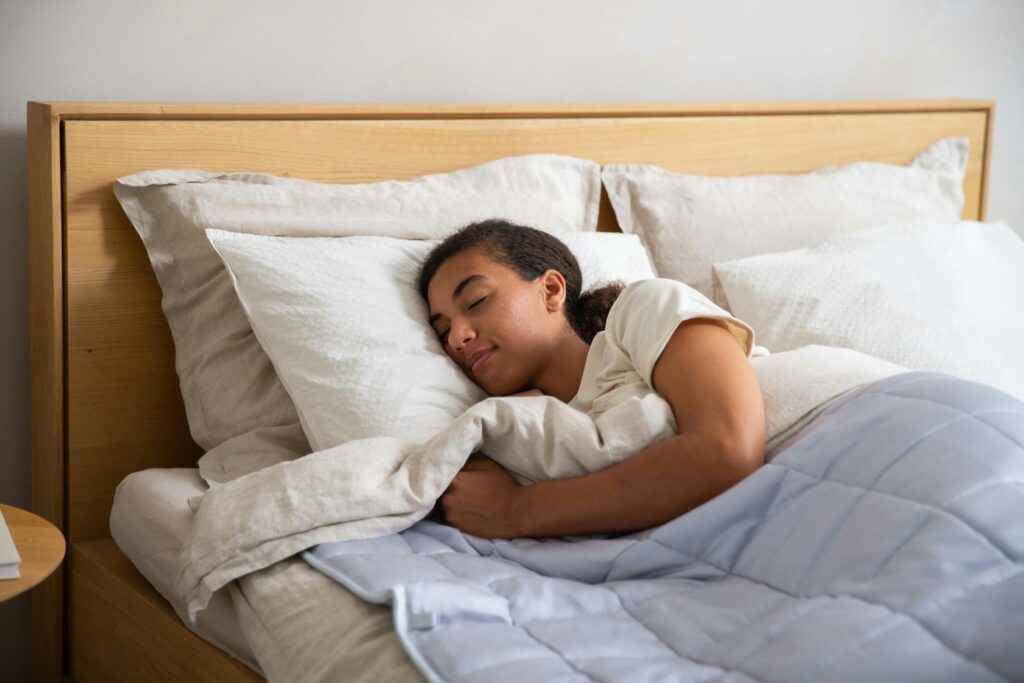
Sleep affects women in unique ways. Hormonal shifts across menstrual cycles, pregnancy, postpartum recovery and menopause can all disrupt rest. Research suggests the menstrual cycle can influence sleep duration, sleep quality and even broader cardiovascular health because changing levels of estrogen and progesterone affect the body throughout each phase. Pain, discomfort and emotional changes during certain stages may also make restful sleep harder to achieve.
Stress and caregiving loads can also make it harder to get uninterrupted sleep. That means women do not need more pressure to “win” at sleep. They need realistic systems. If your sleep changes with your cycle, track patterns to spot trends and plan better routines. If night sweats hit during perimenopause, cooling strategies may help. If anxiety spikes at night, focus on calming routines and speak with a healthcare professional. Bold wellness means working with your body, not fighting it.
A Smarter 7-Day Sleepmaxxing Reset
Try a science-backed version of the sleepmaxxing trend for one week. Try to go to bed and wake up at the same time every day, even on weekends. Get morning sunlight after waking up and stay away from caffeine around 8 hours before bedtime, and avoid it at night. Dim lights at night. Then create a simple bedtime ritual: shower, stretch, read ten pages, lights out.
Keep your phone across the room. Notice how you feel after seven consistent days. Most people need rhythm more than novelty. If you still struggle with insomnia, loud snoring, frequent waking or daytime exhaustion, talk with a doctor. Those can signal treatable issues like sleep apnea, anxiety or restless legs syndrome.
Sleep Is Power, Not Perfection
So, what is slepmaxxing really? At its best, it is a cultural reminder that rest matters. At its worst, it turns sleep into another performance metric. Take the useful parts. Leave the chaos. Protect your evenings, respect your body’s rhythms and make rest nonnegotiable. If you feel anxious about bedtime, panic when routines change or spend too much money chasing perfect sleep, it may be time to simplify. The best sleep plan is one that feels supportive, flexible and realistic enough to maintain in everyday life.


Share this article